Maximise Asset Protection with Customised Cover Solutions
Although off-the-shelf covers may seem convenient, they often fall short of addressing the specific needs of various applications. Generic dimensions, limited material options, and improper fittings can lead to more problems than they solve. Inadequate coverage can let dust and moisture seep in, tight fits may cause unnecessary wear, and flapping sections can create hazards in windy conditions—ultimately putting both the cover and the valuable asset it is meant to protect at risk.
This issue is particularly critical for oversized, irregularly shaped, or high-value items. Equipment such as industrial machinery, agricultural implements, marine vessels, and construction tools rarely fit standard sizes. In Australia’s extreme climate, a poorly fitting cover can trap moisture, deteriorate quickly under UV exposure, or even fail during strong winds.
Custom cover projects effectively tackle these challenges by offering solutions tailored to the specific asset, rather than forcing a one-size-fits-all approach. Tailored covers are designed with careful consideration of usage, storage conditions, and environmental factors. At LJ Covers, we prioritise performance, durability, and long-lasting protection in demanding environments.
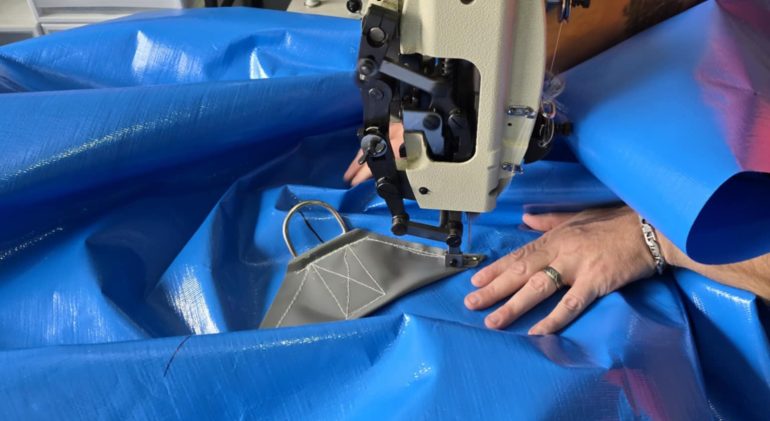
What Are the Essential Phases of a Custom Cover Project?
A custom cover project encompasses much more than merely selecting a size from a catalogue. It represents a fully personalised solution designed to meet the unique requirements of an asset, its intended application, and the surrounding environment.
Custom cover projects are particularly suitable for:
- Industrial and manufacturing machinery
- Agricultural tools and equipment
- Marine vessels and transportation assets
- Construction machinery and site infrastructure
Instead of relying on rough approximations, custom covers are meticulously crafted with practical usage in mind. This includes critical factors such as access points, control locations, lifting points, tie-down areas, storage conditions, and potential weather exposure. The result is a cover that fits perfectly, is user-friendly, and provides reliable protection over time.
What Steps Does LJ Covers Follow for Custom Projects?
At LJ Covers, we implement a straightforward and effective process for each custom project to ensure that the final product meets performance expectations.
The process begins with an in-depth consultation. During this initial stage, we aim to understand the asset, its intended use, and the environmental conditions it will face. Key factors such as exposure to sunlight, wind, salt, dust, chemicals, and heat are thoroughly assessed from the outset.
Next, we take precise measurements and design the cover with functionality as our main focus. Selecting the appropriate materials is crucial to ensure that the finished cover can withstand its environment without compromising usability.
Once the design is finalised, we create the cover with meticulous attention to detail. Each cover undergoes rigorous inspections for fit, finish, and durability before delivery. Throughout this process, LJ Covers maintains close communication with clients to ensure that the final product meets both practical needs and performance standards.
Why Is a Perfect Fit Vital for Custom Cover Projects?
One of the main advantages of custom cover projects is their precise fit. A well-fitted cover significantly enhances protection across all critical areas.
An accurate fit minimises gaps that can allow water, dust, and debris to enter. It also reduces excessive movement during windy conditions, thereby lowering the risk of wear and material fatigue. Over time, this can significantly extend the lifespan of the cover.
Custom covers are designed with user-friendliness and safety in mind. Features such as access panels, secure fastening systems, and ergonomic handling points facilitate quick and easy installation and removal. This ease of use encourages regular application—an often-overlooked yet crucial aspect of effective asset protection.
Standard covers frequently require modifications, suffer from premature damage, or are left off entirely due to cumbersome designs. Custom covers, tailored for specific assets, enhance usability rather than hinder it.
How to Choose the Most Appropriate Materials for Your Environment
Selecting the right materials is a critical component of any custom cover project. Different environments present unique performance requirements, and a generic approach seldom yields long-lasting results.
When designing custom covers, LJ Covers considers factors such as:
- UV exposure and prolonged sunlight
- Risks of moisture, salt spray, and corrosion
- Temperature extremes and thermal stress
Australia’s challenging conditions include intense UV rays, coastal salt exposure, and sudden weather changes. LJ Covers’ extensive experience in these environments ensures that materials are chosen for durability, weather resistance, and long-term reliability, allowing covers to perform effectively year after year.
In What Areas Do Custom Cover Projects Offer Maximum Advantages?
Custom cover projects deliver substantial benefits across various industries, providing asset protection, enhancing efficiency, and minimising downtime.
In industrial and manufacturing settings, custom covers protect machinery from dust, moisture, and contaminants during inactive periods or transport, ensuring readiness and alleviating maintenance challenges.
In the marine and transport sectors, tailored covers safeguard against salt, wind, and movement during storage or transit. A precise fit, combined with suitable materials, protects vessels and components from premature wear.
On construction sites, custom covers are designed to accommodate irregular shapes, frequent handling, and harsh conditions. They shield equipment and materials from adverse weather, UV exposure, and debris without obstructing daily operations.
In agriculture, custom covers protect machinery and equipment while adapting to seasonal usage and shifting conditions, ensuring that assets remain secure without compromising functionality.
Why Are Custom Covers Considered a Long-Term Investment?
While custom cover projects may require a higher initial investment compared to standard covers, they offer significantly greater long-term benefits. Enhanced protection reduces wear and tear on equipment, resulting in lower maintenance costs and fewer repairs.
Assets that are properly covered are less vulnerable to environmental damage, leading to reduced downtime and extended service life. Over time, the savings often outweigh the initial costs, particularly for high-value or hard-to-replace equipment.
What Makes LJ Covers Your Ideal Partner for Custom Cover Solutions?
With over 15 years of industry experience, LJ Covers excels in delivering custom cover projects from concept to completion. Our team is well-versed in the practical challenges faced across industrial, marine, agricultural, and construction sectors.
All covers are manufactured in Australia, ensuring consistent quality and materials tailored to local conditions. LJ Covers collaborates closely with clients to develop bespoke solutions that perform reliably in real-world applications.
Secure Tailored Protection for Your Specific Project Requirements
When a cover is designed specifically for its intended purpose—utilising the right materials and achieving an optimal fit—its performance improves dramatically. For businesses seeking dependable, durable protection, custom cover projects offer a smarter solution.
With local expertise, exceptional craftsmanship, and a practical approach, LJ Covers provides custom-made covers that protect your assets and enhance your operations with confidence.
Original Article First Published At: Why Custom Cover Projects Deliver Better Protection and Performance
The Article: Custom Cover Projects for Enhanced Protection and Performance first appeared on https://writebuff.com
The Article Custom Cover Projects for Improved Protection and Efficiency Was Found On https://limitsofstrategy.com
The Article Custom Cover Projects Enhance Protection and Efficiency found first on https://electroquench.com