Comprehensive Guide to Water Collection Systems for Enhanced Sustainable Water Management
What Essential Features Define Water Collection Systems?
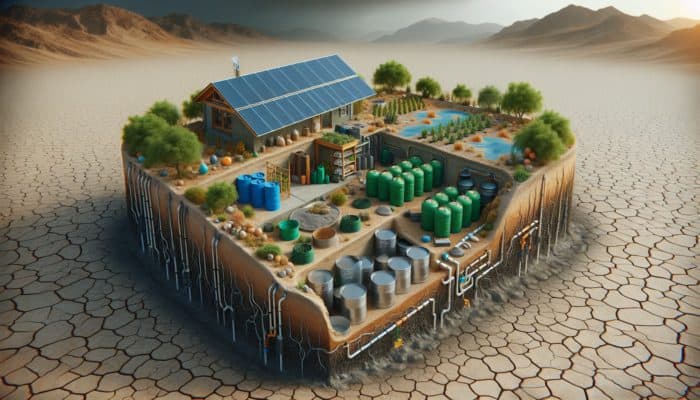
Water collection systems consist of a variety of sophisticated technologies and methodologies meticulously designed to capture, store, and utilise water from multiple sources, primarily focusing on rainwater. These systems are crucial for the sustainable management of water resources, particularly in areas experiencing water scarcity. By implementing these systems, communities can effectively alleviate the effects of drought and diminish reliance on municipal water supplies, thereby enhancing the efficient use of water resources. Collecting natural precipitation and runoff not only provides clean water for various applications, such as irrigation, landscaping, and with proper treatment, even for potable use, but also positions these systems as vital tools in promoting responsible water consumption.
The efficacy of water collection systems varies significantly across different geographical locations, heavily influenced by local climatic conditions and the specific needs of communities. For instance, tropical climates with abundant rainfall can efficiently employ rooftop systems, while arid regions may depend more on techniques designed for surface runoff collection. Each water collection system is thoughtfully engineered to address the specific environmental and social needs of the communities it supports, offering adaptable solutions to a wide range of water-related challenges.
Exploring the Different Types of Water Collection Systems
A diverse array of water collection systems exists, each specifically tailored to meet the unique requirements arising from various geographical and climatic contexts. Each system boasts distinctive features that enhance its effectiveness in particular environments. The three primary types of systems are:
- Rooftop Systems: These systems adeptly collect rainwater from roofs, directing it through gutters into storage tanks for future use. They are particularly prevalent in urban areas, leveraging existing infrastructure to maximise efficiency.
- Surface Collection Systems: These systems capture water from land surfaces, such as ponds or swales, where rainfall or runoff can accumulate. They are especially beneficial in agricultural settings for irrigation purposes.
- Subsurface Systems: These systems focus on extracting groundwater via perforated pipes or trenches. They prove effective in regions rich in groundwater, allowing access without contamination concerns.
Each system serves a distinct purpose based on environmental conditions and intended applications, enabling communities around the globe to adopt practices that significantly enhance water sustainability and security.
What Significant Benefits Do Water Collection Systems Provide?
The implementation of water collection systems offers a multitude of advantages that extend well beyond simple water conservation. By effectively capturing and utilising rainwater, communities can experience substantial reductions in their dependence on municipal water sources. This shift leads to significant savings on water bills and alleviates the burden on overwhelmed water treatment facilities.
Moreover, these systems contribute positively to environmental sustainability. By minimising runoff and reducing the need for extensive stormwater management infrastructure, they help protect local ecosystems from degradation. In regions grappling with water scarcity, such as parts of Africa and the Middle East, water collection systems are vital for ensuring consistent access to this precious resource. Beyond the immediate benefits of conserving water, these systems promote a heightened awareness regarding the importance of sustainable water practices, fostering a cultural shift towards responsible water management.
How Do Water Collection Systems Achieve Optimal Efficiency?
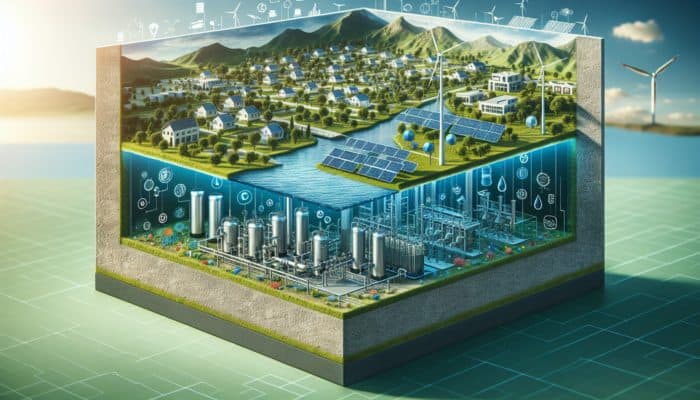
Identifying the Crucial Components of Water Collection Systems
The successful operation of water collection systems relies on several essential components that work in harmony to effectively capture, store, and distribute water. The primary elements include:
- Catchment Surfaces: These designated areas, including roofs or paved surfaces, serve as collection points for water.
- Conveyance Systems: This encompasses gutters, pipes, and channels that transport water from the catchment area to storage facilities.
- Storage Tanks: Tanks or cisterns act as reservoirs for collected water, safeguarding it from contamination and evaporation.
- Treatment Units: Depending on the intended application of the water, it may require filtration and treatment to ensure it is safe for consumption or irrigation.
Each component is meticulously designed to meet the specific requirements of the water collection system, ensuring optimal functionality. The interaction among these elements is vital for achieving high efficiency and sustainability in water management practices.
What Steps Are Involved in Establishing a Water Collection System?
Setting up an effective water collection system involves a series of systematic steps that guarantee its proper functioning. The process begins with a comprehensive site assessment to identify the most suitable location for installation. This evaluation includes analysing the topography, rainfall patterns, and existing structures that can be utilised.
Once the site assessment is complete, the next stage is system design, which entails selecting appropriate materials and determining the layout for catchment surfaces, conveyance systems, and storage facilities. Proper sizing is crucial to accommodate peak rainfall events and ensure adequate water storage capacity. After finalising the design, the installation phase commences, where components are constructed or assembled according to the established plan.
Lastly, regular maintenance is critical to ensure the longevity and efficiency of the system. This includes routine inspections for leaks, blockages, and water quality, alongside cleaning catchment surfaces and storage tanks. By following these steps, communities can establish effective and reliable water collection systems that sustainably meet their water needs.
What Maintenance Strategies and Troubleshooting Techniques Are Essential for Water Collection Systems?
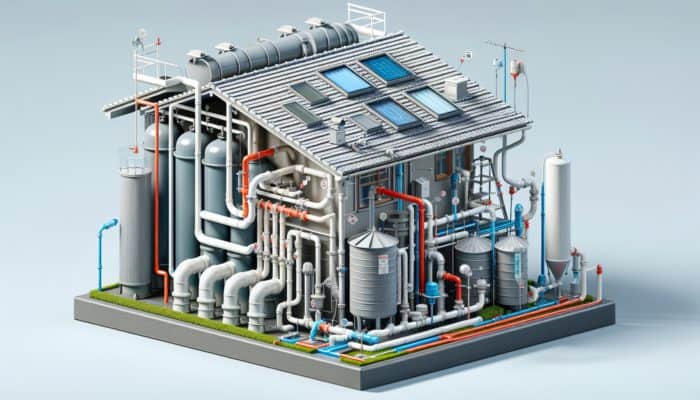
Maintenance is a key element in ensuring the operational effectiveness of water collection systems. Regular inspections and interventions can identify common issues such as leaks, contamination, and blockages before they escalate into significant problems. For example, roof gutters should be routinely cleaned to prevent the accumulation of debris that can obstruct water flow.
Leaks within the piping system can result in considerable water loss and should be addressed promptly. Regular evaluation of storage tanks is equally important; sediment accumulation can compromise water quality, necessitating thorough cleaning and maintenance. Additionally, treatment units must be monitored closely to ensure they are functioning effectively, as any malfunction can jeopardise the safety of the collected water.
Effective troubleshooting practices involve not just identifying potential issues but also implementing preventive measures. This may include installing filters to reduce contamination, using seals to prevent leaks, or integrating smart monitoring systems that alert operators to any irregularities in water flow or quality. By prioritising maintenance, communities can enhance the longevity and reliability of their water collection systems.
What Varieties of Water Collection Systems Exist?
As previously highlighted, a variety of water collection systems have been tailored to suit different environments and requirements. Each system is ingeniously designed to optimise water harvesting in an efficient and effective manner. Rooftop systems are particularly common in urban settings, where roof space is available for collection. In contrast, surface collection systems are often employed in rural areas, particularly for agricultural purposes.
Subsurface systems, which tap into groundwater sources, are advantageous in regions with a high water table and minimal contamination risks. Additional innovative solutions, such as rain gardens and permeable pavements, further enhance water collection by allowing rainwater to filter naturally into the ground while supporting local flora and fauna.
Ultimately, the choice of a system will depend on various factors, including local climate conditions, available technology, and community needs. By thoughtfully selecting the appropriate type, communities can optimise their water collection efforts, ensuring a sustainable and reliable water supply.
What Are the Key Benefits and Challenges Associated with Water Collection Systems?
The adoption of water collection systems presents notable benefits, particularly regarding water conservation and cost savings. Communities that successfully implement these systems can significantly reduce their reliance on municipal water supplies, leading to lower water bills and reduced pressure on local infrastructure.
Moreover, these systems foster a culture of sustainability, encouraging individuals to engage more consciously with their water usage. The environmental advantages are extensive; by capturing rainwater, these systems diminish stormwater runoff, which can result in flooding and water pollution. However, challenges do exist, such as initial setup costs and ongoing maintenance requirements. Communities must also address potential water quality concerns, ensuring that the collected water is safe for its intended applications. Despite these challenges, the long-term benefits of water collection systems far outweigh the drawbacks, making them a worthwhile investment in sustainable water management.
Expert Recommendations for Enhancing Water Collection Systems
What Best Practices Should Be Followed for Designing Effective Water Collection Systems?
Effective design of water collection systems is crucial for maximising their efficiency and longevity. Best practices emphasise understanding local climatic conditions, as these factors directly influence rainfall patterns and collection potential. For instance, areas that experience heavy monsoon seasons may require larger catchment surfaces and storage capacities to handle peak rainfalls, while regions with irregular rainfall can benefit from more compact systems.
The selection of materials is equally important; using durable, corrosion-resistant materials can significantly enhance system longevity and reduce maintenance costs. Additionally, accurately sizing tanks and pipes ensures that systems can accommodate both average and peak water demands without experiencing overflow or shortages. An exemplary case of effective system design can be observed in Singapore's urban rainwater harvesting, which utilises a combination of rooftop systems and underground storage to efficiently collect rainwater in a densely populated area.
In conclusion, adhering to these best practices during the design phase leads to the development of resilient water collection systems that can adapt to changing environmental conditions and evolving community needs.
What Innovations Are Transforming Water Collection Technology?
The field of water collection systems is witnessing remarkable advancements that enhance operational efficiency and sustainability. Cutting-edge filtration technologies have emerged, allowing for the effective purification of harvested rainwater, making it safe for drinking and agricultural applications. Smart monitoring systems equipped with sensors now provide real-time data on water levels, quality, and system performance, facilitating proactive maintenance measures.
Moreover, the integration of eco-friendly materials in system construction is gaining traction. Rainwater harvesting systems are increasingly being combined with renewable energy sources, such as solar panels, to power pumps and filtration units, thereby reducing the carbon footprint associated with water collection. Innovations in modular design also allow for scalability, enabling communities to expand their systems as their needs evolve. These developments not only enhance the functionality of water collection systems but also reflect a broader commitment to sustainable water management practices worldwide.
What Current Trends Are Influencing Water Collection Systems?
The latest trends in water collection systems signify a shift towards more integrated and community-focused approaches. One notable trend is the increased adoption of green infrastructure, such as bioswales and rain gardens, which slow down and capture stormwater while simultaneously enhancing urban aesthetics.
Additionally, there is a growing emphasis on community-based water management initiatives, empowering local populations to take control of their water resources. These collaborative approaches foster engagement and encourage a deeper understanding of sustainable water practices. The integration of water collection systems with renewable energy solutions also becomes increasingly common, reflecting a holistic perspective on sustainable development.
As communities progressively recognise the importance of water conservation, these trends signify a collective commitment to enhancing water sustainability and resilience in the face of climate change and resource scarcity.
Assessing the Environmental Impact of Water Collection Systems
How Do Water Collection Systems Support Environmental Conservation?
Water collection systems play an essential role in promoting environmental conservation. By capturing rainwater and reducing reliance on traditional water sources, these systems lower the demand on natural water resources, thus aiding in the preservation of aquatic ecosystems. This aspect is particularly crucial in areas where excessive water extraction has led to habitat degradation.
Furthermore, by minimising stormwater runoff, water collection systems help prevent soil erosion and safeguard water quality in nearby rivers and lakes. This not only supports local biodiversity but also strengthens the resilience of ecosystems facing pressures from urbanisation and climate change. The benefits of these systems extend beyond immediate water conservation; they contribute to a healthier environment and aid in building a more sustainable future for everyone.
How Can Effective Water Collection Reduce Carbon Footprint?
The integration of water collection systems into comprehensive water management strategies can significantly decrease a community's carbon footprint. By reducing dependence on municipal water treatment and distribution, these systems lower the energy consumption typically associated with these processes. Water collection systems can play a pivotal role in decreasing greenhouse gas emissions, especially in areas where energy for water treatment is derived from fossil fuels.
Moreover, by promoting local water utilisation, these systems relieve infrastructural demands for extensive water distribution networks, ultimately leading to reduced energy costs associated with pumping and treating water sourced from distant locations. In the context of global initiatives aimed at combating climate change, implementing efficient water collection systems represents a proactive approach to sustainable living and environmental stewardship.
What Role Do Water Collection Systems Play in Promoting Sustainability?
Water collection systems are fundamental to achieving sustainability goals across multiple sectors. They facilitate water conservation, minimise waste, and promote responsible water use within communities. By harnessing rainwater, these systems provide an alternative water source that alleviates pressure on dwindling freshwater supplies.
Furthermore, their implementation can cultivate a culture of sustainability, encouraging individuals and organisations to prioritise eco-friendly practices in their daily activities. As communities increasingly acknowledge the importance of sustainable water management, the role of water collection systems is poised to expand, underscoring their necessity in fostering resilient and sustainable communities.
Examining the Economic Benefits of Water Collection Systems
How Can Water Collection Systems Yield Cost Savings?
Implementing water collection systems can generate substantial cost savings for both individuals and communities. By capturing and utilising rainwater, households can significantly reduce their water bills, particularly in regions where water costs are high. The diminished reliance on municipal water sources eases the burden on local utilities, resulting in lower costs for all stakeholders involved.
In addition to savings on water bills, these systems can considerably lower expenses associated with water treatment and infrastructure maintenance. For example, agricultural communities that adopt water collection practices can reduce their irrigation costs while simultaneously enhancing crop yields. As the demand for sustainable water management solutions continues to grow, the economic advantages of water collection systems become ever more apparent, making them an attractive option for both urban and rural settings.
What Economic Advantages Do Water Collection Systems Provide to Local Communities?
The economic benefits of water collection systems extend beyond individual cost savings, positively impacting entire communities. These systems can generate job opportunities in installation, maintenance, and system design, thereby stimulating local economic growth. Furthermore, communities that implement effective water collection systems often witness an increase in property values, as homes equipped with such systems tend to attract prospective buyers.
Additionally, communities with robust water collection systems enjoy enhanced water security, which is crucial for local industries and agriculture. The assurance of a reliable water supply can stimulate economic growth and investment, creating a stable environment conducive to business development. As communities prioritise sustainable water practices, the broader economic benefits become evident, significantly contributing to the overall well-being of local populations.
What Funding Opportunities Are Accessible for Water Collection Initiatives?
Investing in water collection systems can unveil a multitude of funding opportunities for communities and organisations. Many government bodies offer grants and incentives aimed at promoting water conservation and sustainable practices. Environmental organisations also provide financial support for projects focused on enhancing water management systems.
Moreover, private investors increasingly recognise the value of sustainable water solutions, paving the way for potential partnerships to fund innovative water collection technologies. By exploring these funding avenues, communities can strengthen their water collection infrastructure, resulting in improved resilience and sustainability in water management. As investment in water collection systems continues to grow, so do the opportunities for communities to develop sustainable solutions tailored to their specific needs.
Looking Ahead: The Future of Water Collection Systems
What Factors Will Shape the Future of Water Collection Systems?
The future of water collection systems will be influenced by a convergence of technological advancements, increasing water scarcity, and a heightened awareness of sustainability issues. As climate change exacerbates global water shortages, the demand for efficient water management solutions is expected to rise significantly. This urgency will drive innovations in system design and functionality, with a focus on optimising resource utilisation while minimising environmental impacts.
Furthermore, advancements in technology, including smart sensors and data analytics, will play a crucial role in revolutionising water collection practices. These tools will enable precise monitoring and management of water resources, allowing communities to respond proactively to changing conditions. As these factors converge, the future of water collection systems will undoubtedly reflect a decisive shift towards sustainable and resilient water management practices.
How Can Water Collection Systems Integrate with Other Sustainable Practices?
The integration of water collection systems with other sustainable practices signifies a holistic approach to environmental management. For example, combining water collection with renewable energy solutions, such as solar or wind power, can enhance system efficiency while simultaneously reducing carbon footprints. This synergy allows communities to leverage multiple sustainable resources, thus bolstering their resilience against climate change.
Additionally, water collection systems can be integrated into green building practices, where sustainable architecture utilises water harvesting technologies to optimise overall building efficiency. This comprehensive strategy not only maximises resource utilisation but also nurtures a culture of sustainability that encourages communities to adopt environmentally responsible practices across various sectors.
What Innovations Will Transform Water Collection Technology in the Future?
The trajectory of water collection technology indicates a future characterised by enhanced efficiency, automation, and innovation. As technological advancements continue to unfold, we can anticipate the emergence of advanced materials and systems that improve the durability and functionality of water collection mechanisms. Innovations such as self-cleaning surfaces and automated monitoring systems will facilitate seamless operations and maintenance, relieving the burden on communities.
Moreover, a growing emphasis on data-driven solutions will enable more precise water management, allowing systems to adapt in real-time to fluctuations in weather patterns and water demand. As these advancements materialise, water collection systems will become more accessible, scalable, and effective, solidifying their role in sustainable water management practices on a global scale.
How Will Policies and Regulations Influence Water Collection Systems?
Government policies and regulations will play a significant role in shaping the future landscape of water collection systems. As governments worldwide prioritise sustainable water management, regulatory frameworks will promote the adoption of water collection practices. Incentives, such as tax breaks and grants for installation, will encourage communities to invest in these systems.
Moreover, regulations concerning stormwater management and water conservation will likely mandate the integration of water collection systems into new developments. By establishing policies that support sustainable water practices, governments can play a crucial role in fostering the widespread adoption of water collection systems, ultimately contributing to global efforts aimed at ensuring water sustainability.
How Can Communities Get Involved in Water Collection Initiatives?
Engaging communities and the public in water collection initiatives is vital for fostering awareness and encouraging collaborative action. Community-driven programmes advocating for water collection practices can enhance public understanding of the significance of sustainable water management. Educational campaigns and workshops empower individuals to adopt water-saving measures in their homes and businesses, promoting a more sustainable approach to water use.
Public engagement also leads to more effective and locally tailored solutions. Involving community members in the planning and implementation of water collection systems ensures that their unique needs and concerns are addressed. As communities become more engaged in water management, they cultivate a sense of ownership and responsibility for their water resources, leading to lasting cultural shifts toward sustainability.
Answers to Common Questions
What Are the Key Components of a Water Collection System?
The key components include catchment surfaces, conveyance systems, storage tanks, and treatment units. Each component plays a crucial role in efficiently capturing, transporting, and storing water.
How Can Water Collection Systems Benefit Urban Areas?
Urban areas can experience reduced demand on municipal water supplies, lower water bills, and improved stormwater management. These systems contribute to sustainability and climate resilience.
What Maintenance Is Required for Water Collection Systems?
Regular maintenance includes cleaning gutters and tanks, inspecting for leaks, and monitoring water quality to ensure optimal performance. This ensures the system operates efficiently and has a prolonged lifespan.
Are There Any Limitations to Water Collection Systems?
Limitations include initial setup costs, potential water quality issues, and varying efficiency based on local rainfall patterns. Addressing these challenges is vital for the effective implementation of this initiative.
Can Water Collection Systems Be Integrated with Other Technologies?
Yes, they can be integrated with renewable energy systems and smart technology for monitoring and automation, enhancing their overall efficiency and sustainability.
What Are the Environmental Benefits of Water Collection Systems?
Water collection systems help reduce runoff, prevent soil erosion, and decrease the demand on natural water resources, contributing to ecological balance and biodiversity.
How Do Water Collection Systems Contribute to Economic Savings?
They lower water bills, reduce infrastructure costs, and minimise the need for expensive water treatment, resulting in significant economic benefits for communities and individuals.
What Innovations Are Shaping the Future of Water Collection Systems?
Innovations include advanced filtration technologies, smart monitoring systems, and modular designs that enhance efficiency, sustainability, and adaptability.
How Can Communities Promote Water Collection Practices?
Communities can promote water collection practices through educational programs, public workshops, and incentives for homeowners to install collection systems.
What Role Do Policies Play in Promoting Water Collection Systems?
Government policies can incentivise the adoption of water collection systems through grants, tax credits, and regulations that mandate sustainable practices in new developments.
Explore our world on X!
The post Water Collection Systems: Essential Solutions for Sustainability appeared first on Survival Bite.
The Article Water Collection Systems: Key Solutions for Sustainable Living Was Found On https://limitsofstrategy.com