
Last Updated on December 17, 2025, by David
Uncovering the Underlying Causes of Blackening in Travertine Grout and Efficient Prevention Techniques: When you selected Travertine flooring, you made a choice for a material celebrated for its exquisite beauty and luxurious charm. However, over time, countless homeowners in Surrey observe that the grout lines have become discoloured with black stains, which diminishes the overall allure of their floors. While some might dismiss this as mere accumulation of dirt, the reality is considerably more complex. The darkening results from a buildup of soapy residue from regular cleaning routines. These residues can entrap dirt and encourage mildew growth deep within the porous grout, particularly in humid conditions.
Crucial Products for Daily Care of Travertine Floors

Fila Pro Floor Cleaner
|
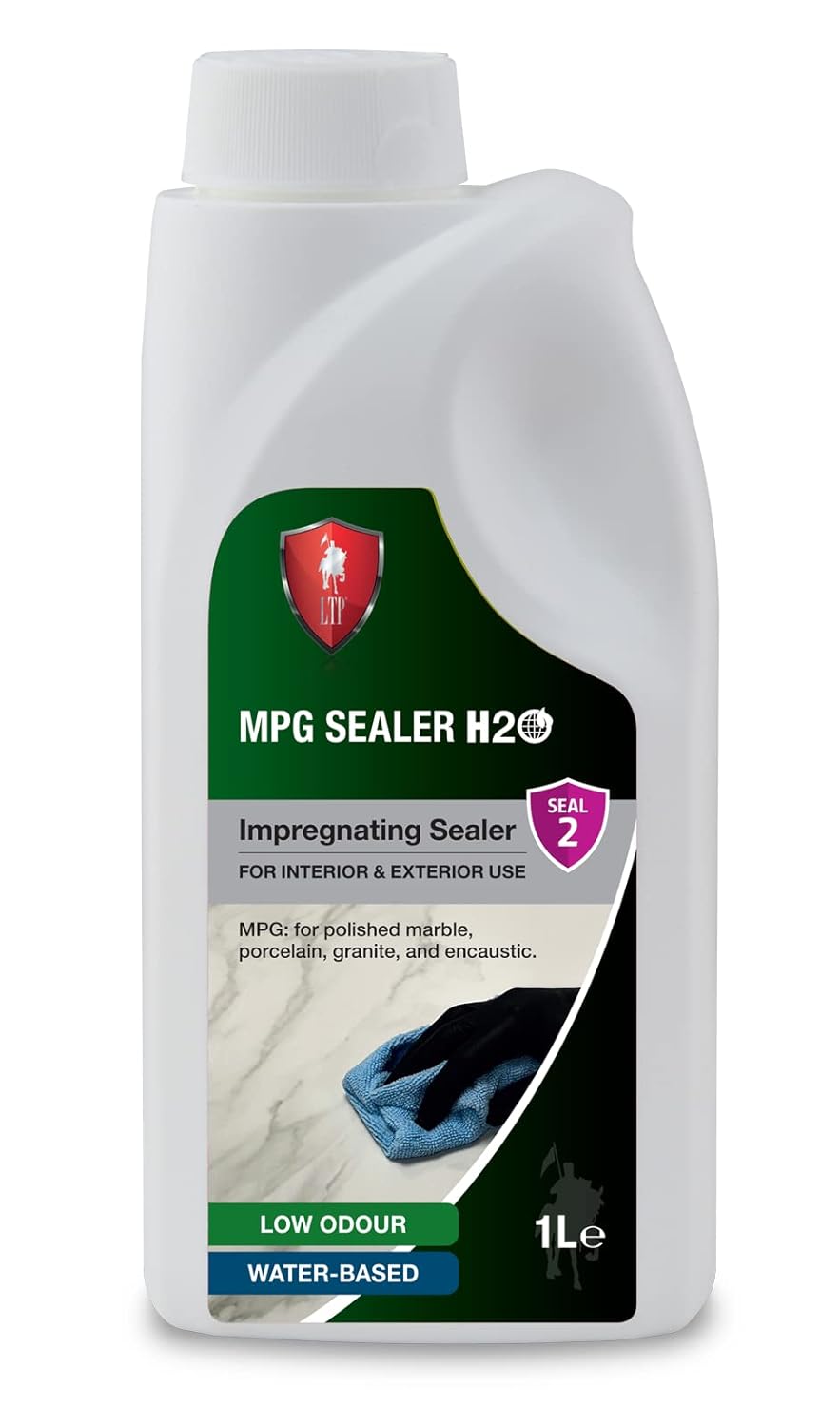
LTP MPG Sealer H20
|

Vileda H2PrO Spin Mop System
|
The positive aspect is that this issue is not permanent. By commencing professional deep cleaning to rejuvenate the grout lines, followed by thorough grout sealing, you can effectively break the staining cycle and protect your Travertine floors for many years ahead. This guide explores the fundamental causes, explains why DIY methods often prove inadequate, and illustrates how professional care presents the lasting solution you have been searching for.
Understanding the Causes of Blackening in Travertine Grout

What Is the Impact of Soapy Residue on Grout?
When homeowners clean their Travertine floors by mopping or wiping, the cleaning solution often leaves a thin film of residue behind. Over time, this soapy residue accumulates in the porous grout lines. Instead of providing a clean surface, it forms a sticky layer that captures dust, grease, and everyday household grime. This accumulation is the reason your grout appears discoloured, despite regular cleaning, and it clarifies why blackened grout lines keep recurring.
How Do Soil and Mildew Become Attached to Grout?
Grout is naturally porous, meaning it easily absorbs moisture and particles. Once residue is present, soil and mildew spores tend to cling to it. In homes throughout Surrey where floors are frequently used, this process accelerates significantly. What may begin as a minor dullness can swiftly escalate into mildew-affected grout, undermining the sophisticated elegance of your Travertine flooring.
Why Do Routine Cleaning Efforts Fall Short?
Many homeowners attempt to tackle the issue by scrubbing more vigorously or resorting to stronger cleaning agents. Unfortunately, this approach often worsens the problem. Aggressive chemical cleaners can etch Travertine stone, while repeated surface cleaning fails to penetrate the deep-seated contamination within the grout. Without professional grout cleaning combined with a sealing strategy, the darkening of the grout will persist.
Identifying Areas Prone to Mildew Growth in Travertine Grout

Which Areas Are Most Vulnerable to Mildew in Bathrooms and Showers?
Bathrooms and showers are particularly susceptible to prolonged humidity, elevated temperatures, and recurring water exposure. The porous structure of Travertine grout enables moisture to become trapped in the grout lines, creating an ideal environment for mildew spores to flourish and thrive.
How Do Wet Rooms and Utility Spaces Foster Mildew Growth?
In wet rooms and utility areas, constant moisture coupled with limited ventilation makes these spaces especially vulnerable. Grout staining in these regions is frequently attributed to microbial activity rather than mere surface soil accumulation.
Are Kitchens and Living Areas Safe from Grout Discoloration?
While spills and soapy residue can still lead to darker grout, the generally lower humidity levels and quicker drying times in kitchens and living areas reduce the likelihood of grout discolouration. Although mildew growth is less common compared to bathrooms, staining from soil and residue remains a potential concern.
What About Hallways and Dining Rooms?
In hallways and dining rooms, you may notice soil staining or residue buildup, but the level of microbial activity is typically not as high as in wet areas. The discolouration observed in these spaces is often cosmetic rather than indicative of biological contamination.
What Should Homeowners Know About Grout Blackening?
The blackening of grout in kitchens usually results from soapy residue attracting soil, rather than active mildew growth. Conversely, in bathrooms and showers, the combination of humidity, residue, and moisture retention makes mildew a more significant factor.
Understanding the Risks of DIY Cleaning on Travertine Floors

What Are the Dangers of Using Harsh Chemicals?
In an effort to remedy blackened grout lines, many homeowners turn to stronger cleaning agents. However, these harsh chemicals can etch and weaken Travertine stone, resulting in unsightly dull patches or permanent marks. What may seem like a quick fix often leads to irreversible damage to the natural surface of your flooring.
Why Are Steam Cleaners Risky for Travertine Grout?
Steam cleaning is often promoted as a safe cleaning alternative, yet it can be harmful to Travertine grout. The high temperatures force moisture deeper into the porous grout, creating an ideal environment for mildew growth. Instead of solving the problem, steam cleaning frequently exacerbates staining and darkening.
Many DIY sealers available in hardware stores promise effective protection, but they rarely bond adequately with natural stone grout. Often, they leave a sticky residue that attracts even more soil. In Surrey homes, this can result in stained grout that appears worse than before, leaving homeowners feeling frustrated after investing both time and money.
Why Professional Deep Cleaning Is Essential for Travertine Grout
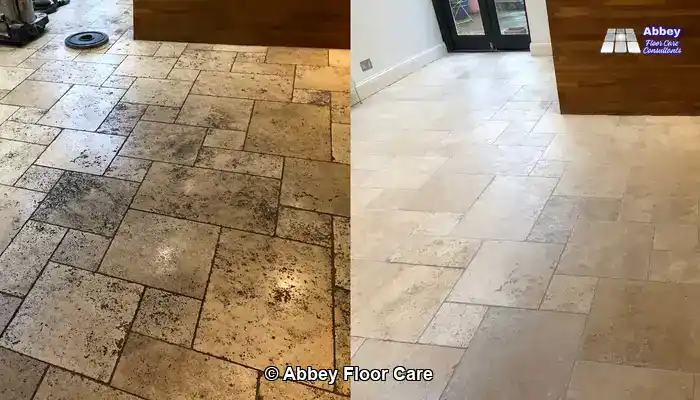
“We thought the grout was ruined — but Abbey Floor Care made it look brand new again.”
How Does Professional Cleaning Restore Grout Lines?
When Travertine grout darkens, simple surface cleaning is insufficient. Professional deep cleaning utilises specialized equipment to extract contaminants from within the grout’s pores. This meticulous process revitalises grout lines, restoring them to their original lighter colour and rejuvenating the sophisticated appearance of your floors.
What Are the Safe Methods for Cleaning Natural Stone?
As a delicate material, Travertine requires careful handling during cleaning. Skilled technicians employ stone-safe cleaning solutions and controlled techniques to avoid etching or damaging the surface. Unlike DIY cleaning approaches, professional services preserve the natural integrity of Travertine stone while achieving impressive results.
How Do Before and After Transformations Impact Homeowners?
One of the most reassuring aspects of professional cleaning is the visible transformation it provides. Homeowners in Surrey often witness remarkable changes when blackened grout lines are reset. Before-and-after comparisons showcase the striking difference, restoring pride and confidence in the appearance of your home.
Implementing Long-Term Grout Sealing for Lasting Protection

How Does Grout Sealing Prevent Future Staining?
Once Travertine grout has undergone professional cleaning, the next crucial step is sealing. A high-quality grout sealer penetrates the porous material to form a protective barrier. This barrier effectively repels liquids, oils, and residues, preventing them from seeping in and causing blackened grout lines in the future.
What Is the Science Behind Sealing and Protection?
Modern grout-sealing technology adheres to the grout surface at a microscopic level. Instead of forming a film, it creates an invisible shield that resists soil and mildew spores. This innovation simplifies routine cleaning and helps prevent staining before it becomes an issue.
How Do Guarantees Provide Homeowner Assurance?
For homeowners in Surrey, sealing offers more than mere protection. It provides peace of mind, ensuring that your Travertine floors will retain their beauty for many years. Professional services typically include guarantees that instil confidence that your investment in long-term grout sealing will yield enduring results and reassurance.
Why Homeowners in Surrey Prefer Specialist Services for Travertine Care
How Do Specialists Protect High-Value Properties?
For homeowners in Surrey, Travertine floors signify more than just flooring; they represent a home's prestige and long-term value. Selecting a specialist ensures that natural stone grout is treated appropriately, preventing damage and maintaining the property’s visual appeal for years ahead.
What Are the Benefits of Convenience and Minimal Disruption?
Professional services are designed to fit your lifestyle. Experienced teams complete their tasks efficiently, leaving your home spotless and organized. This enables grout cleaning and sealing to be performed with minimal disruption, providing you with peace of mind and a hassle-free experience.
Why Is Trust, Reputation, and Proven Results Important?
Homeowners in Surrey prefer collaborating with companies that boast a solid track record. Specialists in Travertine restoration offer guarantees, transparent communication, and visible before-and-after results. This builds trust and reassures you that your investment in grout sealing will provide lasting protection.
Common Questions About Travertine Grout Maintenance
How Often Should Grout Be Resealed for Optimal Protection?
In Surrey residences, Travertine grout generally benefits from resealing every 2 to 4 years. The timing depends on factors such as foot traffic, cleaning habits, and moisture exposure. Regular inspections can help determine when grout sealing becomes necessary.
Can Sealing Alter the Colour of Grout?
High-quality grout sealers are manufactured to be invisible. They protect without altering the natural colour of the grout. If a colour enhancement is desired, specialized products are available; however, standard grout sealing maintains the existing shade effectively.
What Distinguishes Travertine from Other Types of Stone?
Travertine stone is porous and is often filled during installation, which makes its grout lines more susceptible to staining compared to denser stones like granite. Understanding these differences is essential for selecting the appropriate professional cleaning and sealing methods.
Why Does Grout Turn Black Even After Regular Cleaning?
Everyday cleaning tends to leave behind soapy residue that attracts dirt and mildew spores. This residue accumulates in the grout pores, resulting in darkening that regular scrubbing cannot eradicate.
Is DIY Grout Cleaning Safe for Travertine Floors?
DIY methods often employ harsh chemicals or steam cleaners, which can damage Travertine stone. These techniques often fail to resolve the problem and may result in permanent etching or moisture entrapment in the grout.
What Are the Advantages of Professional Sealing?
Professional grout sealing establishes an invisible barrier that repels liquids, oils, and residues. This approach prevents blackened grout lines from reappearing and simplifies routine cleaning, making it more effective.
How Can I Maintain Clean Travertine Grout After Sealing?
Utilise stone-safe cleaning products and avoid harsh chemicals. Regular light cleaning can eliminate surface soil, while the sealed grout helps to prevent deep staining. This combination will keep your floors looking pristine for years.
Final Thoughts on Effective Solutions for Travertine Grout in Surrey Homes
The presence of blackened Travertine grout lines signifies more than a cosmetic issue. It indicates deep contamination from soapy residue, soil, and mildew spores trapped within the grout pores. Routine cleaning cannot adequately address this concern, and DIY methods frequently risk damaging your valuable Travertine stone.
The long-term solution involves a two-step process: first, a professional deep cleaning that resets the grout lines to their natural colour, followed by long-term grout sealing to prevent future staining. This strategy not only restores the beauty of your floors but also safeguards them for many years.
For homeowners in Surrey who appreciate elegance, convenience, and peace of mind, selecting a trusted specialist guarantees that your Travertine floors remain a source of pride. With expert care, guarantees, and proven results, you can enjoy a home that appears immaculate and is protected against the frustration of blackened grout.
The article Why Travertine Grout Turns Black And How To Stop It Permanently was first published on https://www.abbeyfloorcare.co.uk
The article Why Travertine Grout Turns Black And How To Stop It Permanently appeared first on https://fabritec.org
The Article Travertine Grout: How to Prevent Permanent Black Stains Was Found On https://limitsofstrategy.com