Transform Your Space: Essential Tile Cleaning Strategies for North East England Residents
- Many tiled surfaces often seem dull and uninviting due to surface residues, compacted dirt, and ineffective cleaning products, rather than just common grime.
- Each type of tile requires tailored cleaning approaches—porous, textured, or dense surfaces each require specific chemistry, tools, and extraction methods for effective and safe cleaning.
- A professional tile cleaning service in North East focuses on identifying problems, executing thorough cleaning, comprehensive rinsing, and, when necessary, applying protective treatments.
- After restoration, using the right pH-neutral cleaner and implementing simple daily practices makes maintaining the cleanliness of your tiles and grout much easier.
- An expert will offer clear guidance, transparent pricing, and realistic expectations, ensuring you understand what is achievable before any work starts.
Tile Cleaning North East England: Your tiled floors should foster a clean and inviting atmosphere, not be a source of ongoing frustration. However, many homeowners in North East England find that despite regular mopping, the tiles around the grout lines often look dull, streaky, or dirty. More aggressive cleaning products frequently provide only temporary fixes, occasionally worsening the situation.
Expert Insights: The Best Products for Daily Tile Cleaning and Maintenance
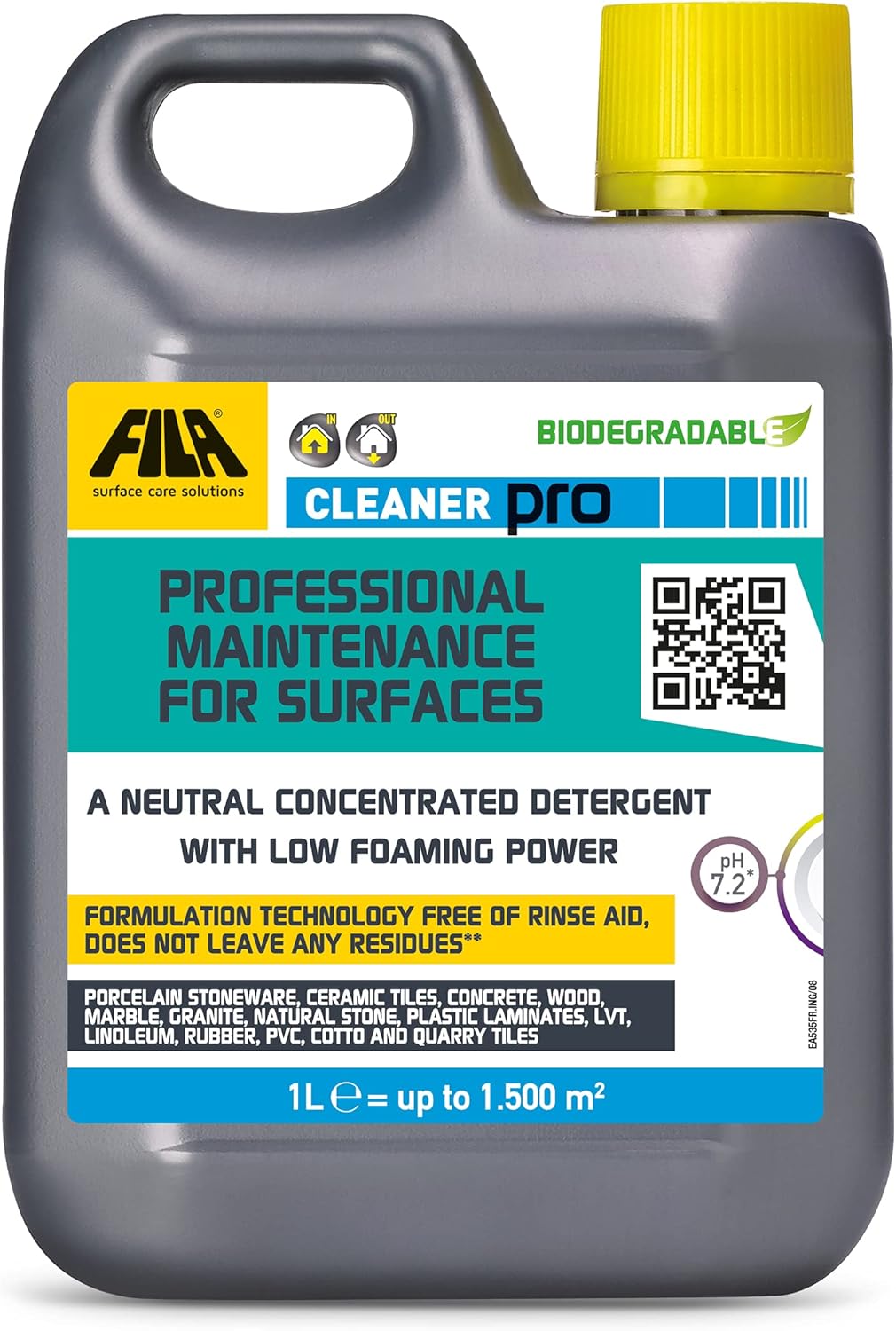
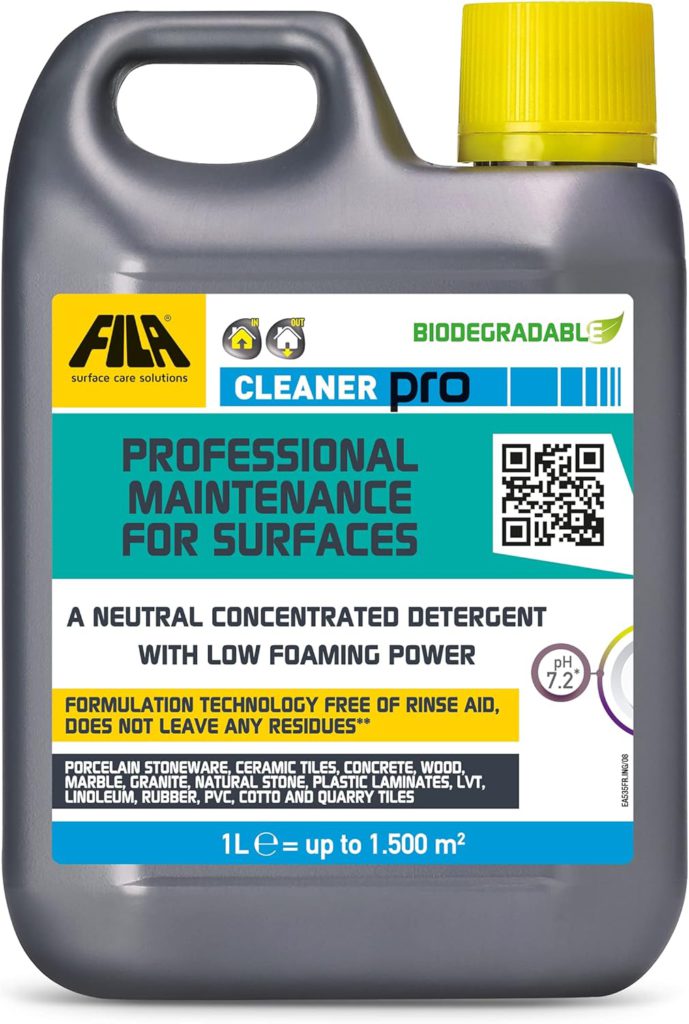
Fila Pro Floor Cleaner
|
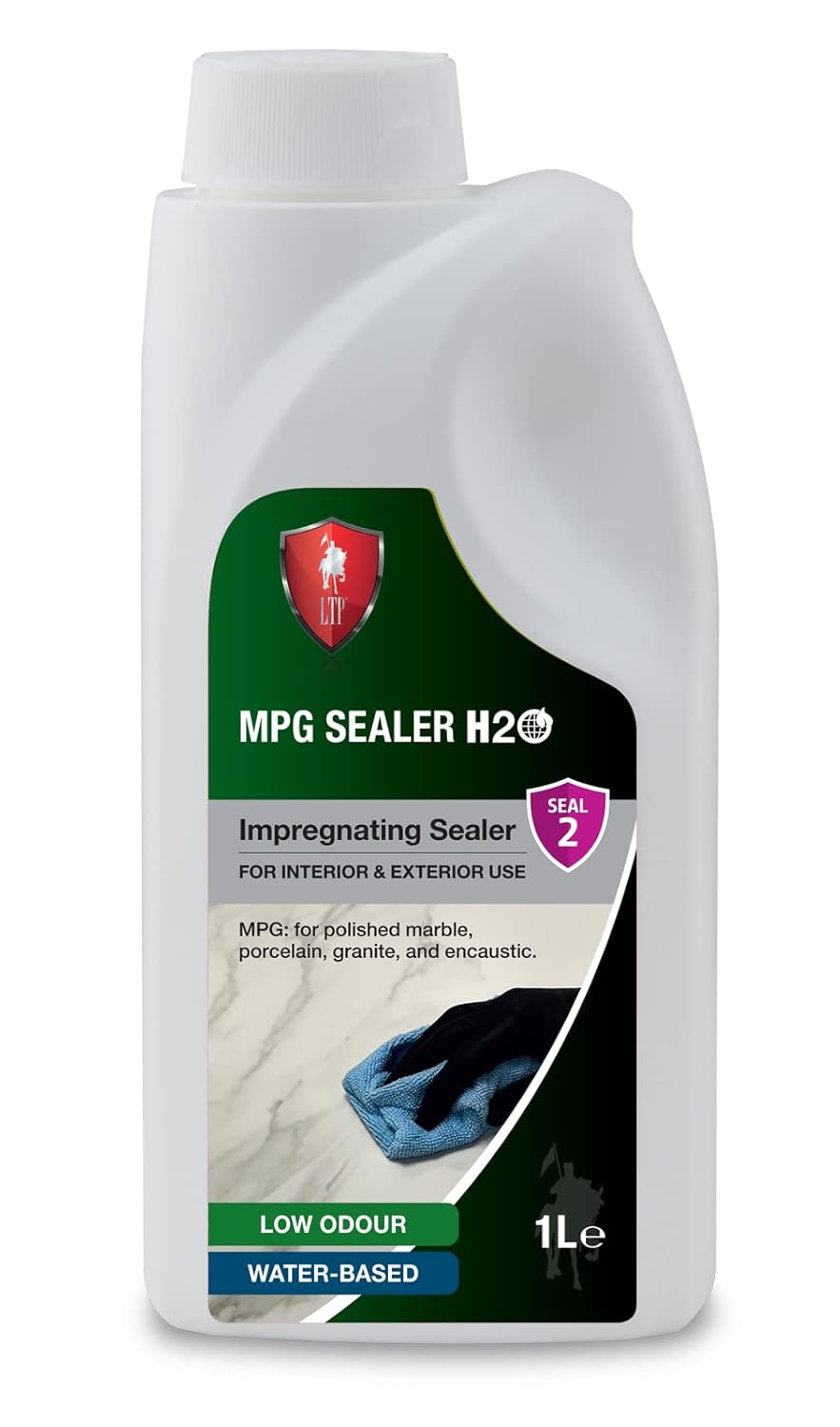
LTP MPG Sealer H20
|
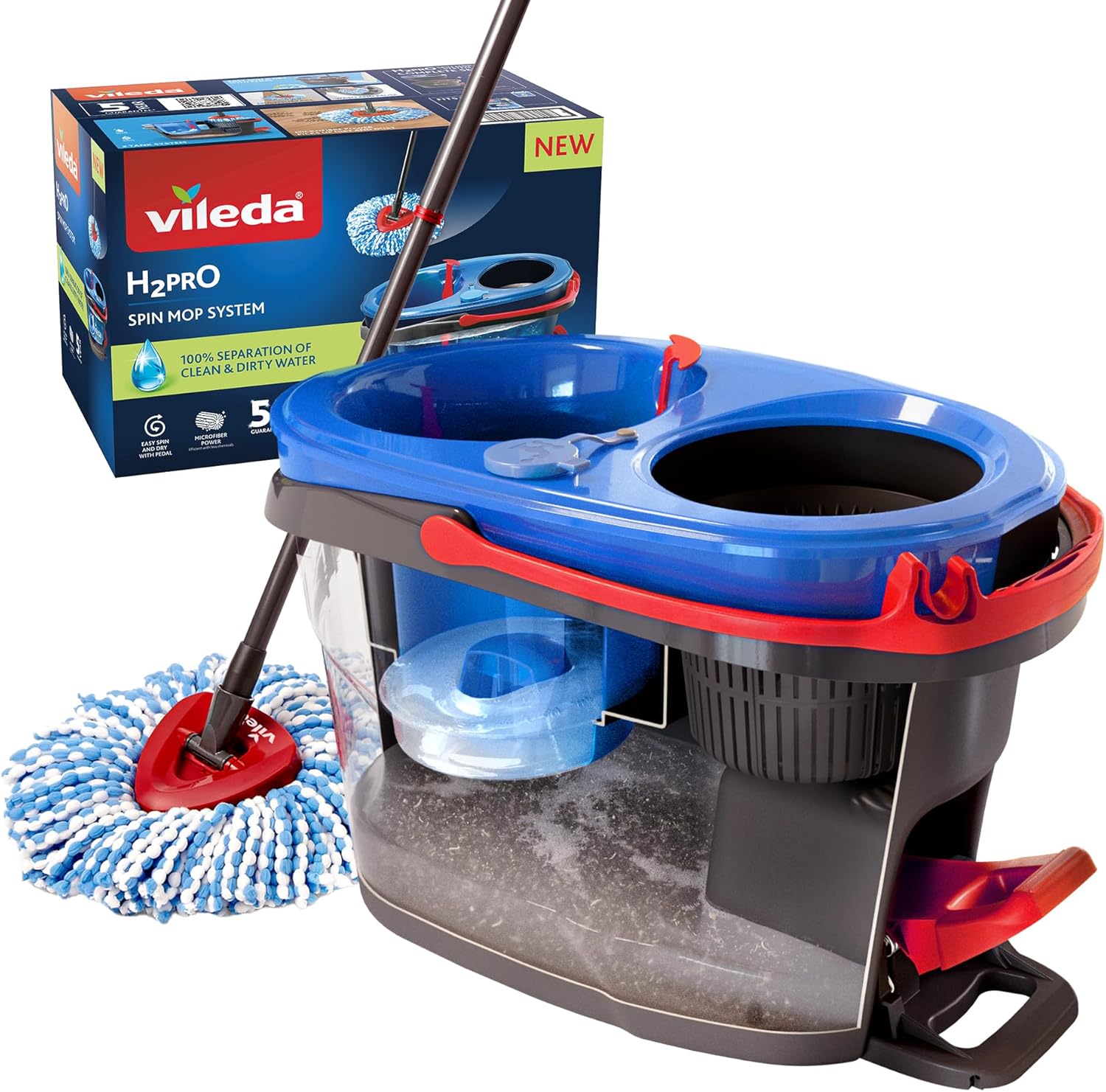
Vileda H2PrO Spin Mop System
|
If you are worried about damaging your tiles, embarrassed by discolored grout, or uncertain whom to trust, you are not alone. With over thirty years of experience in specialised stone and tile restoration backing this service, the aim is clear: to accurately assess the condition of your floor, clean it thoroughly and safely, and provide you with straightforward maintenance advice that you can actually follow.
This page explores common tile-cleaning challenges faced by homeowners in North East England, detailing why “more scrubbing” rarely leads to positive results, how a professional deep clean and protection system addresses underlying issues, and what you can expect when scheduling a visit from a tile cleaning expert.
Identifying Tile Cleaning Challenges Commonly Faced by North East Residents
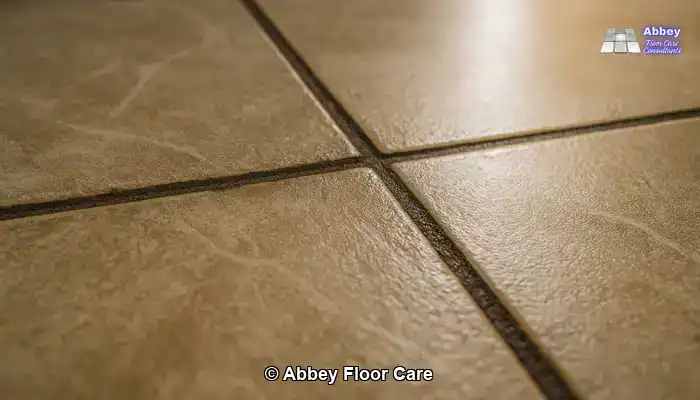
If your tiles continue to look unclean after mopping, the problem typically runs deeper than just “insufficient mopping.” Over time, everyday dirt, cooking oils, cleaning agents, and hard-water residues build up in thin layers on the surface. On textured or matte tiles, this residue becomes embedded in the texture and grout lines. Conversely, on smoother tiles, it manifests as streaks, cloudy spots, and dull, grey trails from foot traffic.
Older or more porous tile materials often absorb dirt and cleaning solutions over time. The surface may darken, specific areas may frequently appear dirty, and the grout lines typically become noticeably darker than the tiles themselves. If film-forming products like “mop and shine” or DIY sealers have been used, they can break down into patchy, sticky areas that attract even more dirt, especially in high-traffic zones such as kitchens, hallways, and conservatories.
Installation characteristics add another layer of complexity. Wide grout lines, uneven tile surfaces, and lippage (minor height differences between adjacent tiles) trap dirt, making it difficult for mops to reach lower areas. Over the years, this results in dark edges around each tile and persistent stains that resist cleaning efforts.
What Underlying Issues Are Impacting Your Tiles (Beyond Insufficient Mopping and Strong Cleaners)?
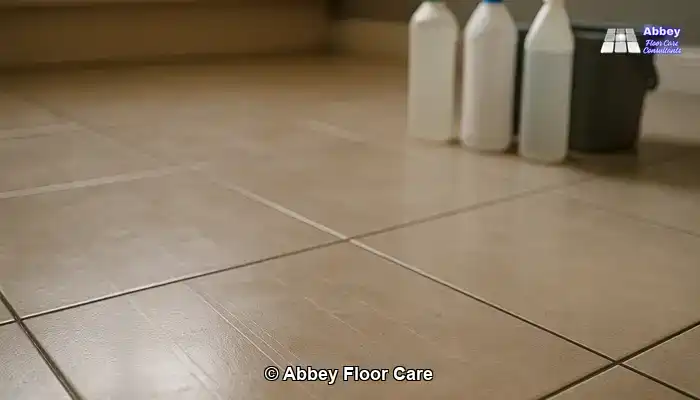
The manufacturing process of your tiles significantly influences their performance. Some surfaces are dense and relatively smooth, meaning they do not absorb much liquid but can easily display streaks and films. Others are more open and textured, allowing dirt and moisture to penetrate deeper into the surface. Additionally, certain tiles, grouts, and surrounding materials can be sensitive to strong acids or harsh chemicals.
Using the incorrect cleaning products may initially appear effective as they soften and remove surface soil. However, without the appropriate dwell time, agitation, and importantly, rinsing and extraction, the loosened dirt and chemical residues can reattach. Each cleaning session leaves behind additional residue, causing the floor to lose its clarity and becoming increasingly challenging to restore over time.
Abrasive pads and scouring creams present another issue. They scratch the surface just enough to diminish the original smoothness, causing the tiles to trap dirt more readily and appear dull in high-traffic areas. For sensitive materials, acidic builders’ cleaners and limescale removers can permanently alter the surface, leaving it cloudy, even if it feels smooth to the touch.
Moisture levels also play a crucial role in tile issues. In some homes, excess moisture beneath or around tiles can result in light patches, efflorescence (white salt deposits), or whitening beneath old coatings. In other scenarios, inadequate drying and poor ventilation lead to streaks and water spots, particularly in areas where mop water pools or spills occur frequently.
Gain Insight into Our Professional Tile Cleaning Process in North East England
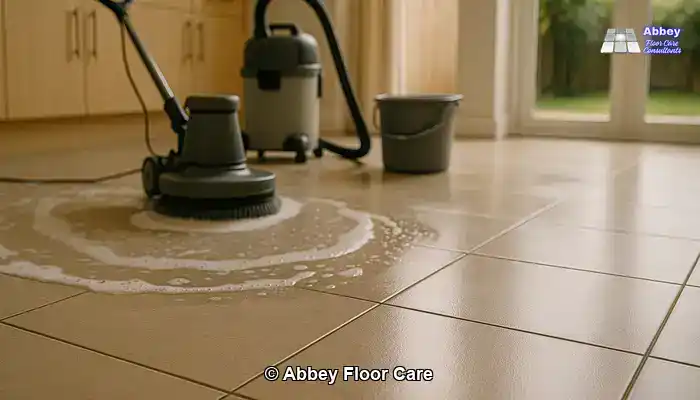
A proper tile cleaning involves much more than just using a “better mop.” It consists of a controlled procedure that starts with understanding your specific surface type and the treatments it has undergone in the past. Following this, the cleaning chemistry, tools, and extraction methods are specially selected to suit your unique flooring rather than employing a generic approach.
Step 1 – Thorough Inspection, Testing, and Honest Recommendations
Every project commences with a detailed inspection of your tiles and grout. The surface is assessed for porosity, texture, existing coatings, any prior damage, moisture behaviour, and the types of soil or residues present. Discreet test patches may be applied to evaluate how the floor reacts to various cleaning solutions and techniques.
This initial stage is where you receive clear, unbiased feedback. You will be shown the likely causes of dullness, streakiness, or dark grout and whether these issues arise from dirt or stem from wear or previous damage. You will also receive realistic expectations: what can be significantly improved through cleaning, what may need refinishing or repairs, and what may remain visible even after a comprehensive clean.
Step 2 – Deep Cleaning, Extraction, and Residue Removal
Once the floor has been thoroughly evaluated, the deep cleaning phase begins. Suitable alkaline, neutral, or, where safe and appropriate, mildly acidic solutions are applied to dissolve grease, everyday grime, detergent residues, and old maintenance films. These solutions are allowed to act for a specified period and then agitated using rotary or oscillating machines, brushes, and pads that are appropriate for the hardness and texture of your tiles.
Grout lines, edges, and hard-to-reach areas are meticulously cleaned by hand to extract dirt from joints and corners instead of pushing it deeper into the surface. As soil and residues are released from the tile surface, they are removed through wet extraction instead of being merely wiped around. Multiple rinsing cycles ensure that cleaning products and loosened contaminants are thoroughly removed, leaving your floor genuinely clean, rather than just smelling fresh.
Step 3 – Surface Protection, Drying, and Practical Aftercare Recommendations
After the deep cleaning is complete, the floor is allowed to dry to an appropriate level. Depending on the type of tile and its moisture behaviour, a breathable, penetrating sealer or appropriate surface treatment may be applied to facilitate daily cleaning and reduce the absorption of spills and dirt into the surface or grout.
You will also receive straightforward aftercare recommendations. This usually includes guidance on an effective pH-neutral cleaner, instructions on the appropriate amount to use, cleaning frequency, and which products to avoid (such as harsh chemicals, excessive detergent, or steam on delicate surfaces). The goal is for you to feel confident in maintaining your floor without worrying about using the “wrong” product again.
Exploring the Types of Tiles, Rooms, and Properties We Regularly Clean Across the North East

Homes in North East England feature a diverse array of tiled surfaces. Contemporary properties often showcase large-format porcelain or ceramic tiles in kitchens, bathrooms, and open-plan living areas. Meanwhile, older residences may feature quarry tiles, terracotta, or patterned Victorian-style flooring in hallways and dining areas. Each type requires distinct cleaning, protection, and long-term maintenance strategies.
Textured porcelain and ceramic tiles are particularly prone to holding greasy kitchen grime and mop residues within their texture, especially near cooking areas and entry points. Quarry and terracotta tiles are naturally more porous, leading to darkening over years of household use and previous treatments, often resulting in uneven colour and sticky residues from old waxes and coatings. Heritage-style or patterned floors can accumulate ingrained dirt in their designs and grout lines, worsened by past sealing or polishing attempts.
Regardless of whether your home is modern, traditional, or a mix of both, a specialist tile cleaning service is always tailored to your specific tile, grout, room usage, and previous treatments in your property. The process is customised to preserve heritage features while achieving a noticeable, practical enhancement that remains evident under regular lighting conditions.
When Should You Consider Hiring a Tile Cleaning Specialist Instead of Attempting DIY?
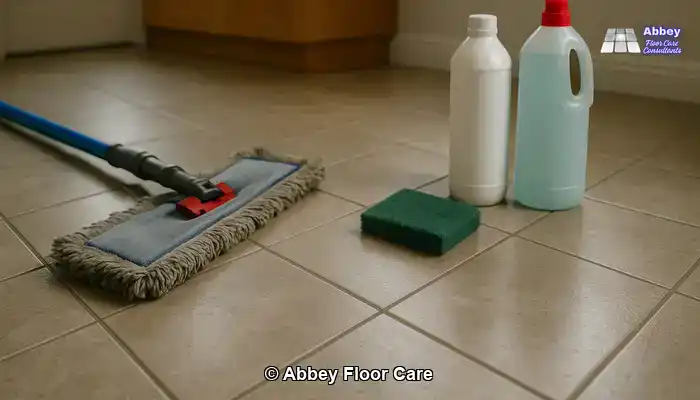
Eventually, there comes a point when further effort, stronger products, or new mops fail to yield satisfactory results. If you have tried supermarket cleaners, “miracle” products found online, steam mops, or even engaged a general cleaning service, and your floor still appears tired, this is a strong indication that you are dealing with residues, wear, or previous damage rather than just superficial dirt.
Reaching out to a specialist at this juncture is not a sign of failure; it is a sensible choice. An experienced professional can distinguish between removable soil and permanent surface alterations. They can also prevent further damage by carefully testing products, using the right tools, and avoiding aggressive methods that might scratch or chemically harm the tiles and grout.
A professional service also offers something that DIY solutions rarely provide: a clear, step-by-step explanation of the procedures performed, the rationale behind them, and how to maintain the results effectively. Instead of leaving you in the dark, you will receive a plan tailored to your specific flooring and lifestyle needs.
What Can You Expect When Scheduling Tile Cleaning in North East England?
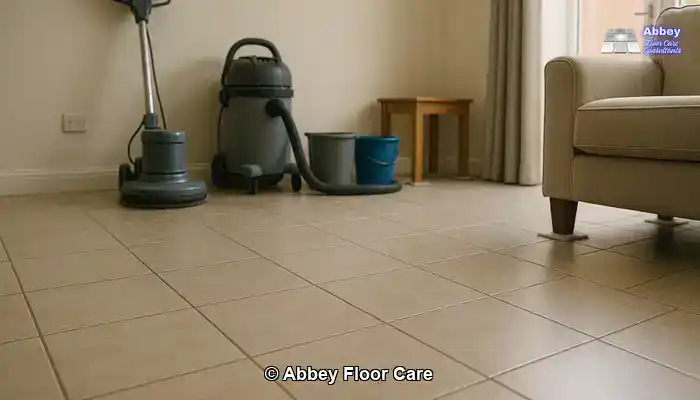
When you schedule a tile cleaning appointment, you should expect a structured, respectful service from start to finish. Before any work begins, you will receive a clear outline of the proposed process, its objectives, and the anticipated duration. Furniture and adjacent surfaces will be protected as necessary, and disruptions will be kept to a minimum, with careful attention given to access, drying times, and safe movement throughout your home.
Throughout the cleaning process, you will witness controlled cleaning techniques rather than hurried scrubbing. Sections of the floor are treated systematically, employing cleaning solutions, agitation, and extraction in a precise manner. As improvements unfold, you will see side-by-side results, allowing you to visually appreciate the effectiveness of the cleaning process.
Upon completion, the floor will be left clean, fresh, and as dry as possible, with any protective treatments applied according to the tile's moisture behaviour. You will receive guidance on aftercare recommendations, including which products to use, which to avoid, and how frequently to carry out routine cleaning. Most importantly, you should feel informed, reassured, and empowered to care for your tiles moving forward.
Frequently Asked Questions About Professional Tile Cleaning
Will Professional Tile Cleaning Cause Damage to My Tiles or Grout?
When conducted by a qualified expert, tile cleaning is designed to preserve the surface without inflicting damage. Products are tested before application, tools are selected to match your tile's hardness and texture, and moisture levels are carefully controlled to prevent over-saturation. The aim is to eliminate soil, residues, and degraded coatings, not to erode the tile or weaken the grout.
Is Sealing Necessarily Required After Every Cleaning?
Not all floors require the same level of protection. More porous or moisture-sensitive tiles generally benefit from a breathable, penetrating sealer, while dense porcelain may require minimal treatment. Following inspection and testing, you will receive honest guidance on whether sealing is advisable, optional, or unnecessary for your specific flooring.
How Long Will Cleanliness Last After the Service?
This largely depends on household traffic, pets, and daily habits. However, a properly cleaned and, where applicable, protected floor should be significantly easier to maintain. By employing the correct pH-neutral cleaner, practising sensible water usage, and routinely removing gritty dirt, you can generally keep your tiles and grout looking fresher for a longer period compared to before.
Can All Stains and Marks Be Eliminated?
Deep cleaning can considerably reduce or even remove many stains, dark grout lines, and surface films. However, some marks may originate from permanent wear or prior chemical damage, necessitating additional refinishing or remaining faintly visible. You will always be informed in advance about what improvements are likely and what may be a lasting characteristic of your flooring.
What Level of Disruption Should I Expect During Tile Cleaning?
Some disruption is unavoidable during the cleaning process, as areas must remain clear for effective cleaning and drying. However, a professional will carefully organise the sequence, clarify where you can and cannot walk, and keep hoses, cables, and equipment neatly arranged and unobtrusive throughout the operation.
Final Reflections on Tile Care
Tiles serve more than just as a durable surface; they significantly enhance the aesthetic and ambiance of your home. When they appear dull, streaky, or challenging to clean, it typically indicates that basic products and tools are inadequate for managing residue accumulation and wear.
A professional tile cleaning service in North East England combines meticulous diagnosis, suitable cleaning solutions, controlled mechanical action, and thorough extraction to address the underlying causes of the issues, rather than merely treating the symptoms. The correct protection and aftercare recommendations will aid in maintaining that rejuvenated, restored appearance for an extended duration.
If you are tired of scrubbing with unsatisfactory results and are concerned about potentially causing damage, consulting a specialist is often the best approach to move from frustration to confidence regarding your tiled surfaces.
Meet the Expert Behind the Knowledge
Author: David Allen
Role: Natural Stone and Tile Restoration Specialist
Experience: Over 30 years of hands-on restoration experience throughout the UK
Expertise: Marble, limestone, travertine, slate, sandstone, terrazzo, Victorian encaustic tiles, quarry tiles, terracotta, porcelain, ceramic, tile and grout systems
Profile Summary:
David Allen is a highly skilled stone and tile restoration specialist with over three decades of practical experience in homes across the UK. His career has centred on restoring, protecting, and preserving natural stone surfaces, ranging from delicate Victorian encaustic tiles to high-value marble and limestone installations.
David's expertise includes deep mechanical refinishing, stain and etching correction, diamond abrasive sequencing, breathable sealing systems, and the specialist restoration of heritage flooring. With extensive real-world problem-solving experience, he provides clear, reliable guidance grounded in thousands of successful restoration projects.
David is committed to educating homeowners on safe processes, long-term protection, and practical maintenance techniques that prevent unnecessary damage. His work combines craftsmanship, technical knowledge, and a calm, reassuring communication style that empowers homeowners to make informed decisions about caring for their stone and tile surfaces.
The Article Tile Cleaning North East England was first found on https://www.abbeyfloorcare.co.uk
The Article Tile Cleaning North East England appeared first on https://fabritec.org
The Article Tile Cleaning Services in North East England Was Found On https://limitsofstrategy.com