
Explore the Transformative Advantages of Plant-Based Proteins for Optimal Health and Wellness
Understanding Plant-Based Proteins and Their Significance in Your Diet
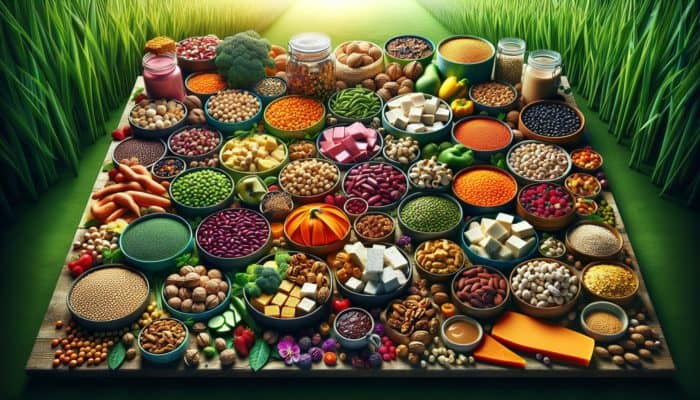
Plant-based proteins originate from a diverse selection of plants and include numerous sources such as legumes, grains, nuts, and seeds. These proteins are essential components of a well-rounded diet, offering a myriad of health benefits that enhance overall wellness. As the trend towards plant-based diets continues to grow worldwide, grasping the significance of these proteins becomes increasingly important. Noteworthy sources of plant-based proteins comprise:
- Legumes (including beans, lentils, and peas)
- Whole grains (such as quinoa, brown rice, and oats)
- Nuts and seeds (like almonds, chia seeds, and flaxseeds)
- Tofu and tempeh
- seitan (made from wheat gluten)
- Nut butters (including peanut butter and almond butter)
- Edamame (young soybeans)
These sources not only supply vital protein but also provide essential nutrients that contribute to a holistic approach to nutrition. As dietary habits evolve towards more sustainable choices, incorporating plant-based proteins into daily meals offers a straightforward opportunity for many people to enhance their dietary intake.
Exploring the Nutritional Advantages of Plant-Based Proteins
Incorporating plant-based proteins into your diet can yield an array of benefits that surpass simple protein content. These proteins are rich in fiber, vitamins, and minerals, making them an excellent option for individuals looking to elevate their nutritional intake. Furthermore, plant-based proteins typically possess lower levels of saturated fats compared to animal proteins, supporting heart health and decreasing the risk of chronic diseases. Key nutritional benefits include:
- A high fiber content that fosters healthy digestion
- Rich in vitamins and minerals (including B vitamins, iron, and magnesium)
- Lower in calories and saturated fats
- Antioxidant properties that help combat oxidative stress
- Support for gut health due to fiber
- Promotion of satiety, aiding in weight management
These advantages highlight the importance of selecting plant-based proteins not only for their protein quality but also for their extensive health benefits. Emphasising a diet abundant in these proteins can significantly improve overall well-being.
Simple Strategies to Incorporate Plant-Based Proteins into Your Daily Meals
Integrating plant-based proteins into your daily diet can be both straightforward and enjoyable. With a multitude of options available, there are endless creative ways to enrich your meals with these nutrient-rich foods. Here are some easy meal ideas to inspire your culinary journey:
- Kickstart your day with a smoothie that includes spinach, almond butter, and chia seeds for a nutritious energy boost.
- Prepare a quinoa salad loaded with black beans, corn, and avocado for a satisfying lunch.
- Relish a dinner of stir-fried tofu accompanied by colourful mixed vegetables and brown rice.
- Enjoy a snack of hummus made from chickpeas, paired with crunchy carrot sticks or whole-grain pita.
- Make a hearty lentil soup teeming with vegetables for a nurturing meal.
- Assemble a breakfast bowl with oats, topped with a variety of nuts and fresh fruit for extra flavour.
- Try creating a veggie burger using black beans or chickpeas for a delectable alternative.
These suggestions can be easily tailored to suit various tastes and dietary preferences, making plant-based proteins a fantastic addition to any meal plan.
Expert Insights on the Necessity of Plant-Based Proteins in a Nutritious Diet

Effective Methods to Integrate Plant-Based Proteins into Your Diet
Nutrition experts advocate for a gradual approach when incorporating more plant-based proteins into your meals. This can be accomplished by substituting animal proteins with plant-based alternatives, allowing your taste preferences to adjust over time. Real-world examples illustrate successful dietary transitions; for example, numerous athletes have shifted from traditional meat-heavy diets to more plant-centric diets without compromising their performance levels.
A practical strategy is to start with familiar dishes and replace meat with legumes or tofu. For instance, swapping ground beef in tacos for lentils or black beans seamlessly introduces plant protein into a cherished meal with minimal disruption. Additionally, implementing Meatless Mondays can ease the transition and alleviate feelings of overwhelm. Nutritionists recommend varying different plant proteins throughout the day to ensure a balanced intake of all essential amino acids, such as pairing rice with beans or hummus with whole-grain bread.
Long-Term Health Benefits Linked to Plant-Based Proteins According to Experts
Experts assert that consistently consuming plant-based proteins can substantially reduce the risk of chronic health conditions, including heart disease, type 2 diabetes, and certain cancers. These proteins contribute to better weight management and improved overall health outcomes. The dietary fibre present in plant proteins aids in maintaining healthy digestion and regulating blood sugar levels, both of which are critical for disease prevention.
To sustainably uphold a plant-based diet, individuals are encouraged to adopt practical strategies, such as regularly incorporating a variety of protein sources, ensuring adequate intake of essential nutrients like iron and vitamin B12 (which can be sourced from supplements or fortified foods), and consulting with a nutritionist when needed. Constructing a balanced plate that features a colourful array of vegetables, whole grains, and a source of plant protein significantly supports long-term health.
Expert Recommendations for Balancing Plant-Based Proteins with Nutritional Needs
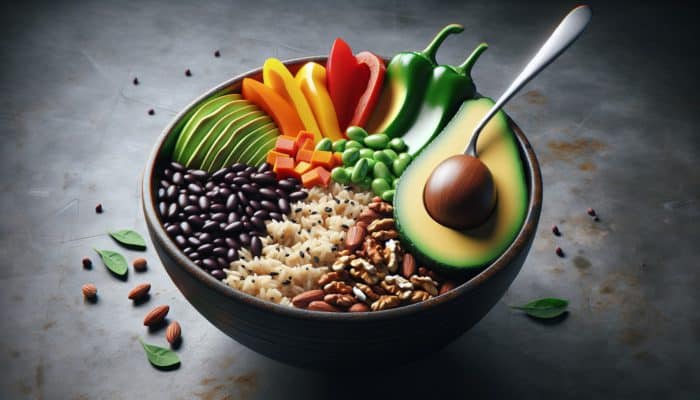
Maintaining a balance between plant-based proteins and other nutrients is vital for sustaining a comprehensive diet. Experts recommend focusing on combining different food groups to fulfil all nutritional requirements. For example, pairing grains with legumes not only enhances protein quality but also supplies essential vitamins and minerals.
When planning meals, aim to include a vibrant array of colours and textures, as these often signify a broad range of nutrients. For instance, a bowl featuring brown rice (a grain), black beans (a legume), and bell peppers (a vegetable) creates a nutrient-dense meal, offering fibre, vitamins, and minerals while also delivering high protein content. Including healthy fats, such as those found in avocados or nuts, contributes to overall health and satiety.
Experts encourage the use of meal planning tools and apps to visualise nutrient intake throughout the week, ensuring a varied and balanced diet. Keeping a food diary can also help identify any nutritional gaps and adjust meal plans accordingly.
Enhancing Athletic Performance with Plant-Based Proteins
Experts agree that plant-based proteins can significantly enhance athletic performance by facilitating muscle recovery and improving endurance. Consuming adequate protein post-exercise is essential for muscle repair, and plant-based options can be equally effective as animal proteins when consumed in suitable quantities.
Athletes are advised to pay attention to protein timing, consuming protein shortly after workouts to maximise recovery benefits. Optimal sources include pea protein shakes, quinoa, and edamame, which provide essential amino acids for muscle repair. Additionally, plant-based diets rich in antioxidants can help reduce inflammation, leading to quicker recovery and improved performance.
Athletes transitioning to a plant-based diet should carefully assess their protein requirements, aiming for 1.2 to 2.0 grams of protein per kilogram of body weight daily, depending on their training intensity. Regularly trying different meal combinations can aid in identifying what most effectively supports individual performance and recovery.
Challenges Associated with Transitioning to Plant-Based Proteins
Shifting to a diet rich in plant-based proteins can present several challenges, including adjusting to new taste preferences, addressing potential nutritional gaps, and navigating social dining situations. Many individuals may struggle to part with familiar flavours associated with animal proteins, which can lead to hesitance in making the transition.
A common concern is ensuring adequate protein intake, especially for those new to plant-based diets. To tackle these challenges, experts recommend starting slowly by incorporating one or two plant-based meals per week and progressively increasing the frequency. Exploring diverse cuisines that naturally focus on plant proteins, such as Mediterranean or Indian dishes, can also facilitate the transition.
Moreover, navigating social dining situations can be tricky, particularly when friends or family adhere to different dietary patterns. Preparing your own plant-based dishes to share at gatherings can be a wonderful way to introduce others to the advantages of plant-based meals while ensuring you have something enjoyable to savour.
Exploring the Varieties of Plant-Based Proteins
Identifying Common Types of Plant-Based Proteins Available
Common plant-based proteins encompass soy, beans, lentils, tofu, tempeh, and seitan, each presenting unique nutritional profiles and culinary applications. For example, soy products like tofu and tempeh are exceptional sources of complete protein, providing all nine essential amino acids. Conversely, legumes such as lentils and chickpeas are rich in fibre and versatile in various culinary creations.
The protein content among these sources can vary significantly. For instance, cooked lentils provide approximately 18 grams of protein per cup, while seitan, often referred to as wheat meat, contains about 25 grams per 3.5 ounces. Understanding these variations is crucial when planning meals to meet specific protein requirements. Familiarity with the protein content and cooking methods can ease the effective integration of these sources into daily diets.
Exploring the various types of plant-based proteins allows individuals to diversify their meals and ensure a balanced intake of nutrients, aligning with health and wellness objectives.
Discovering Lesser-Known Plant-Based Protein Sources Worth Trying
Less common sources of plant-based proteins offer exciting opportunities for enriching your diet. Quinoa, renowned for its complete protein profile, is not merely a grain but also a seed, delivering approximately 8 grams of protein per cooked cup. Chia seeds and hemp seeds, both rich in protein and healthy fats, can be seamlessly incorporated into smoothies, oatmeal, or salads.
Integrating these lesser-known sources into your daily meals is both simple and beneficial. For instance, quinoa can serve as a base for salads or a side dish. Chia seeds can be blended into smoothies or used to create chia pudding, while hemp seeds can be sprinkled on salads or mixed into dressings for added nutritional value.
Exploring these unique protein sources not only enhances your diet but also introduces new flavours and textures, making meals more enjoyable and nutrient-rich.
Comparative Analysis of Plant-Based Proteins and Animal Proteins
When comparing plant-based proteins with animal proteins, several key differences emerge, including amino acid profiles, digestibility, and environmental impact. While animal proteins typically provide higher levels of certain amino acids due to their complete protein status, many plant-based proteins can be combined to achieve a complete amino acid profile.
Digestibility may vary; some individuals might find plant proteins less digestible owing to their fibre content. However, this fibre is beneficial for gut health. Moreover, the environmental footprint of animal protein production is substantial, contributing to greenhouse gas emissions and resource depletion. In contrast, the production of plant-based proteins generally has a lower environmental impact.
When making choices between the two, consider factors such as health benefits, ethical considerations, and personal dietary preferences. Balancing both sources can provide a comprehensive array of nutrients while promoting a more sustainable lifestyle.
Evaluating the Benefits and Challenges of Adopting Plant-Based Protein Diets
Plant-based protein diets offer a plethora of health benefits, including a lower risk of chronic diseases, improved heart health, and effective weight management. The high fibre content present in plant proteins aids digestion and promotes feelings of fullness, making them an excellent choice for individuals aiming to maintain or lose weight. These diets are frequently rich in antioxidants and phytonutrients, further contributing to overall health.
However, challenges may arise when transitioning to a plant-based protein diet. Individuals might face difficulties in meeting all their nutritional requirements, particularly concerning essential nutrients like vitamin B12, iron, and omega-3 fatty acids. Careful meal planning and awareness of food combinations can help mitigate these challenges.
By focusing on a diverse array of plant-based foods, individuals can optimise their diets for balanced nutrition while reaping the numerous health benefits these proteins provide.
Mastering Meal Preparation with Plant-Based Proteins
Easy and Delicious Recipes Featuring Plant-Based Proteins
Creating meals with plant-based proteins can be both simple and satisfying. Quick recipes, such as lentil soup, tofu stir-fry, and chickpea salads, are not only nutritious but also easy to prepare. For those new to cooking, starting with straightforward recipes can build confidence and inspire creativity in the kitchen.
For example, a basic lentil soup can be made by sautéing onions, garlic, and carrots, followed by adding vegetable broth and lentils. Allow it to simmer until the lentils are tender for a nourishing meal. Similarly, tofu stir-fry can be prepared by cubing tofu, marinating it in soy sauce, and stir-frying it with a vibrant mix of vegetables.
Chickpea salads can be created by combining canned chickpeas with diced cucumbers, tomatoes, and a simple lemon-olive oil dressing. These recipes showcase the versatility of plant-based proteins and can be customised to suit personal tastes and seasonal ingredients, creating a delightful cooking experience.
Cooking Techniques to Enhance the Flavour of Plant-Based Proteins
Various cooking techniques can elevate the taste and texture of plant-based proteins, making meals more enjoyable and appealing. Methods such as baking, sautéing, and grilling can enhance the flavour of ingredients like tofu, tempeh, and legumes. For instance, marinating tofu before baking or grilling infuses it with flavour and creates a more satisfying texture.
Sautéing vegetables along with beans or lentils provides a hearty foundation for salads or grain bowls. Furthermore, spices and herbs can significantly augment the overall appeal of plant-based dishes. Experimenting with different cooking styles can help you discover which methods resonate most with your taste preferences.
Additionally, employing techniques like soaking beans before cooking can improve digestibility and shorten preparation time. Mastering these cooking methods not only simplifies the process of preparing plant-based meals but also fosters creativity and a sense of accomplishment in the kitchen.
Strategic Meal Planning with Plant-Based Proteins
Effective meal planning is crucial for incorporating a variety of plant-based proteins throughout the week. This strategy ensures a balanced nutrient intake while simplifying grocery shopping and meal preparation. Begin by identifying several staple plant-based proteins to include in your diet each week, such as lentils, quinoa, and chickpeas.
Developing a weekly meal plan centred around these proteins can help organise meals. For example, designate specific days for particular recipes, such as a quinoa salad on Mondays, lentil soup on Tuesdays, and tofu stir-fry on Wednesdays. This structure allows you to enjoy a diverse array of dishes while maximising the nutritional benefits of plant-based proteins.
Consider batch cooking on weekends to simplify weeknight meals. Preparing larger quantities of grains or legumes can streamline your cooking process, enabling quick meal assembly on busy days. Utilising meal prep containers can further aid in portion control and encourage healthy eating throughout the week.
Understanding the Nutritional Benefits of Plant-Based Proteins
Plant-based proteins offer numerous health advantages that contribute to overall wellness. These proteins are rich in essential nutrients, including fiber, vitamins, and minerals, which help improve heart health, facilitate weight management, and enhance digestive health. The high fibre content in many plant proteins supports digestion and fosters feelings of fullness, making them effective for weight management.
Moreover, plant-based proteins are often lower in calories and saturated fats compared to animal proteins, which diminishes the likelihood of chronic diseases such as heart disease and diabetes. They also contain antioxidants and phytonutrients that combat oxidative stress, further promoting overall health.
Incorporating a variety of plant-based proteins into your diet can lead to long-term health benefits. By focusing on whole foods and diverse sources of plant proteins, individuals can create a balanced diet that supports both physical and mental well-being.
Examining the Health Benefits Linked to Plant-Based Proteins
Heart Health Benefits Associated with Plant-Based Proteins
Plant-based proteins are associated with numerous heart health benefits, primarily due to their capacity to reduce cholesterol levels and lower blood pressure. Typically lower in saturated fats, these proteins can help avert cardiovascular issues when consumed in moderation.
Research indicates that diets abundant in plant-based proteins can enhance overall heart health by promoting healthy blood circulation and minimising inflammation. The fibre present in plant proteins contributes to lowering LDL cholesterol levels, thereby improving heart function and reducing the risk of heart disease.
Incorporating plant-based proteins, such as beans, lentils, and nuts, into your daily diet can help establish a heart-healthy eating pattern. Striving for variety ensures a comprehensive spectrum of nutrients that support optimal heart health.
Weight Management Support from Plant-Based Proteins
Plant-based proteins play a crucial role in weight management due to their lower calorie content and ability to enhance feelings of fullness. Foods high in protein tend to promote satiety, which can lead to reduced overall calorie intake. This characteristic positions plant-based proteins as an excellent choice for those aiming to maintain or achieve a healthy weight.
The fibre found in many plant-based proteins further contributes to this effect, as it slows down digestion and helps stabilise blood sugar levels. Consequently, individuals who consume higher amounts of plant-based proteins often experience reduced hunger levels and improved weight management.
Incorporating a variety of plant-based protein sources into meals can provide balance and satisfaction while supporting weight loss goals. This approach not only fosters healthy eating habits but also encourages the consumption of nutrient-dense foods that contribute to overall well-being.
The Role of Plant-Based Proteins in Disease Prevention
Plant-based proteins significantly contribute to disease prevention by providing essential nutrients that mitigate risk factors associated with chronic illnesses such as diabetes and certain cancers. The high fibre content in these proteins supports healthy digestion and aids in regulating blood sugar levels, thereby diminishing the likelihood of developing type 2 diabetes.
Moreover, the antioxidants found in many plant proteins combat oxidative stress, which is linked to the onset of various diseases, including specific types of cancer. Integrating a variety of plant-based proteins into your diet can strengthen your immune system, enhance overall health, and promote longevity.
Adopting a plant-based diet focused on whole foods not only provides immediate health benefits but can also lead to long-term disease prevention and an improved quality of life.
Research-Backed Insights on the Advantages of Plant-Based Proteins in Meals
Link Between Plant-Based Proteins and Longevity
Research suggests that diets rich in plant-based proteins are correlated with increased longevity and enhanced quality of life. Studies reveal that individuals who adhere to plant-based diets often have lower mortality rates due to a reduced risk of chronic diseases.
The relationship between plant-based protein intake and longevity can be attributed to the nutrient density of these foods, which deliver vitamins, minerals, and antioxidants that safeguard against disease and foster overall health. Additionally, the high fibre content inherent in plant proteins improves digestion and metabolic health, contributing to longer lifespans.
To enjoy these longevity benefits, individuals should focus on integrating a variety of plant-based proteins into their everyday meals, ensuring a well-rounded diet rich in nutrients that promote long-term health and wellness.
Impact of Plant-Based Proteins on Athletic Performance
Studies indicate that plant-based proteins can aid muscle growth and recovery, making them effective for athletes when consumed in sufficient quantities. Research suggests that plant-based diets, when thoughtfully planned, can deliver enough protein to meet the demands of athletic performance.
Athletes can enhance their diets by incorporating sources such as legumes, nuts, seeds, and whole grains, leveraging their nutritional content to fuel workouts and recovery. Protein timing is critical; consuming plant-based proteins shortly after exercise can amplify recovery benefits and assist muscle repair.
Implementing meal strategies that include a mix of plant-based proteins throughout the day can lead to improved athletic performance, increased endurance, and faster recovery. Regularly experimenting with various plant protein sources can also help athletes identify which options best support their individual performance goals.
Environmental Implications of Plant-Based Proteins
Research indicates that plant-based proteins generally have a lower environmental footprint compared to animal proteins. Producing plant proteins typically requires fewer natural resources, results in lower greenhouse gas emissions, and contributes to sustainability efforts within the food production industry.
Choosing plant-based proteins can be a significant step toward minimising one’s environmental impact. For instance, producing a pound of beans usually consumes far less water and land than a pound of beef. As awareness of the environmental consequences of dietary choices increases, the demand for plant-based protein sources continues to rise.
Making sustainable dietary choices by including more plant-based proteins not only benefits individual health but also supports global initiatives aimed at fostering a more sustainable food system. By prioritising plant protein sources, consumers can contribute to a healthier planet.
Plant-Based Proteins and Weight Management
Research indicates that plant-based proteins can facilitate weight loss and maintenance by enhancing feelings of fullness and boosting metabolism. The high fibre content found in many plant-based proteins increases satiety, which can result in reduced overall calorie consumption.
Furthermore, plant proteins are often lower in calories while still providing essential nutrients, making them an excellent option for individuals looking to manage their weight effectively. Strategies for incorporating plant-based proteins into a weight management plan may include emphasising whole food sources such as legumes, whole grains, nuts, and seeds.
By focusing on these nutrient-dense foods, individuals can create satisfying meals that promote weight loss and overall health, demonstrating the effectiveness of plant-based proteins in achieving long-term weight management goals.
Addressing Challenges and Solutions in Plant-Based Protein Diets
Common Challenges Faced During the Transition to a Plant-Based Protein Diet
Embracing a plant-based protein diet can present various challenges, such as ensuring sufficient protein intake, meeting nutritional needs, and adjusting to new flavours and textures. A prevalent concern for those new to plant-based eating is the perception that they may not be consuming enough protein, particularly when transitioning from a diet rich in animal products.
Furthermore, individuals may struggle to acclimatise to unfamiliar flavours and textures associated with plant-based foods. These challenges can lead to frustration and a reluctance to fully commit to a plant-based lifestyle.
To overcome these hurdles, it is essential to educate yourself about the diverse protein sources available and to try out various recipes that showcase the taste and versatility of plant-based ingredients. Gradually introducing plant proteins into your meals can help ease the transition and create a more enjoyable culinary experience.
Strategies to Meet Nutritional Needs While Following a Plant-Based Diet
Meeting nutritional needs while adhering to a plant-based diet necessitates careful planning and a solid understanding of food combinations to ensure a well-balanced diet. It is vital to focus on a diverse range of plant proteins to ensure all essential amino acids are consumed. Strategies for achieving this balance may involve pairing different protein sources, such as combining beans with rice or adding nuts to salads.
Nutritionists often recommend monitoring micronutrient intake, particularly for nutrients like vitamin B12, iron, and omega-3 fatty acids, which may be less abundant in plant-based diets. Supplementing or choosing fortified foods can help fill any nutritional gaps.
Keeping a food diary can also assist in tracking nutrient consumption and identifying areas for improvement. By being proactive and informed about nutritional requirements, individuals can navigate their plant-based journey successfully while maintaining optimal health.
Overcoming Taste and Texture Barriers When Transitioning to Plant-Based Proteins
Overcoming taste and texture barriers is crucial for successfully adopting a plant-based protein diet. Many individuals may find it challenging to adjust to the flavours and textures of plant-based proteins, especially those accustomed to the taste of meat.
Experimenting with different cooking methods, seasonings, and cuisines can enhance the appeal of plant-based proteins. For instance, marinating tofu or tempeh can infuse them with bold flavours, while roasting vegetables can create a satisfying texture.
Incorporating familiar flavours, such as garlic, onion, and spices, can also make plant-based meals more enjoyable. Exploring various recipes from diverse cultural backgrounds can introduce novel and exciting flavours that cater to a variety of taste preferences. By delving into the culinary possibilities of plant-based proteins, individuals can craft enjoyable meals that align with their dietary aspirations.
Plant-Based Proteins Throughout the Lifecycle
Supporting Children’s Growth and Development with Plant-Based Proteins
Children require adequate protein for growth and development, and plant-based options can fulfil these needs when properly planned. Parents can introduce a variety of plant-based proteins, including lentils, chickpeas, and nut butters, to ensure their children receive the essential nutrients crucial for healthy development.
Integrating plant-based proteins into meals can be achieved through creative recipes, such as lentil tacos, chickpea patties, or peanut butter smoothies. It's important to pair these proteins with other food groups, like whole grains and fruits, to create a balanced diet.
Parents should also be mindful of potential allergens when introducing new plant-based foods to their children. Offering a diverse range of flavours and textures can help cultivate children's palates and foster a lifelong appreciation for healthy eating.
Advantages of Plant-Based Proteins for Adults
Adults can significantly benefit from incorporating plant-based proteins into their diets for maintaining muscle mass and overall health. Including a variety of plant proteins in daily meals enhances nutrient intake and promotes long-term wellness. Sources like beans, quinoa, and nuts can be seamlessly integrated into various recipes, ensuring flexibility in meal planning.
For adults, starting the day with protein-rich breakfasts, such as smoothies featuring pea protein or oats topped with nuts and seeds, can set a positive tone for the day. Lunches and dinners can highlight hearty salads or grain bowls abundant in legumes and vegetables, fostering balanced nutrition.
Staying informed about nutritional requirements and experimenting with new plant-based recipes can help adults achieve their health objectives while enjoying the benefits associated with plant proteins.
Benefits of Plant-Based Proteins for Seniors
Seniors often have unique nutritional needs, and plant-based proteins can help meet these while promoting health and vitality. As metabolism slows with age, ensuring adequate protein intake becomes essential for preserving muscle mass and maintaining overall health.
Plant-based proteins, such as lentils, beans, and tofu, can be particularly beneficial for seniors. These sources are often easier to digest and can contribute to a balanced diet when combined with whole grains and vegetables.
Seniors should consider meal preparation strategies that simplify cooking while providing nutritious options. Batch cooking or preparing meals in advance can facilitate the integration of plant-based proteins into their diets, ensuring they receive the necessary nutrients for optimal health.
Future Trends in Plant-Based Proteins
Emerging Innovations in Plant-Based Protein Products
The plant-based protein market is undergoing rapid innovation, with new products emerging to fulfil the increasing consumer demand for sustainable and nutritious options. Innovations include plant-based meat alternatives, protein powders, and fortified foods boasting enhanced nutritional profiles.
Leading companies are developing products that closely mimic the taste and texture of traditional meat, simplifying the transition for consumers to plant-based diets. These innovations cater not only to those seeking healthier choices but also tackle environmental concerns associated with animal agriculture.
As product offerings expand, consumers will have greater access to diverse and convenient plant-based protein sources, facilitating their integration into everyday meals. This growth reflects the increasing recognition of the importance of plant-based proteins in promoting health and sustainability.
The Role of Technology in Advancing Plant-Based Proteins
Technology plays a pivotal role in the development of new plant-based protein sources and the enhancement of their nutritional profiles. Innovations in food science and technology enable the creation of novel products that improve the taste, texture, and overall quality of plant-based proteins.
Techniques such as fermentation and extrusion are being employed to develop plant-based foods that closely resemble animal products, thereby increasing their appeal to a wider audience. Additionally, research into alternative protein sources, such as algae and insect proteins, is broadening the possibilities for sustainable protein options.
As technology continues to advance, the future of plant-based proteins looks promising, with potential for new products that cater to diverse dietary preferences and nutritional needs while addressing global sustainability challenges.
Current Consumer Trends and Preferences Regarding Plant-Based Proteins
Consumer trends illustrate a growing preference for plant-based proteins, driven by health, ethical, and environmental considerations. Many individuals are becoming increasingly aware of the impact their food choices have on personal health and the planet, leading to a surge in plant-based diets.
This shift is evident in the rising popularity of plant-based products in grocery stores and restaurants, as consumers seek convenient and nutritious options. Awareness of the health benefits associated with plant-based proteins, including reduced risks of chronic diseases and improved weight management, is motivating more people to explore these dietary choices.
Understanding these consumer trends can assist food manufacturers and marketers in developing products that meet the growing demand for plant-based proteins, solidifying their place in contemporary diets.
Frequently Asked Questions About Plant-Based Proteins
What Are the Most Common Sources of Plant-Based Protein?
The most prevalent sources of plant-based protein include legumes (such as beans and lentils), whole grains (like quinoa and brown rice), nuts and seeds (such as almonds and chia seeds), and soy products (like tofu and tempeh).
Can I Meet My Protein Needs on a Plant-Based Diet?
Absolutely! It is entirely achievable to fulfil your protein requirements on a plant-based diet by incorporating a variety of protein sources, such as legumes, grains, and nuts, ensuring a balanced intake of all essential amino acids.
What Health Benefits Are Associated with Plant-Based Proteins?
The health benefits of plant-based proteins include improved heart health, effective weight management, a reduced risk of chronic diseases, and increased intake of essential nutrients such as fiber, vitamins, and minerals.
How Can I Incorporate More Plant-Based Proteins into My Meals?
You can easily add more plant-based proteins to your meals by including legumes in soups and salads, using tofu in stir-fries, and selecting whole grains for side dishes or salads.
Are Plant-Based Proteins More Environmentally Friendly?
Yes, plant-based proteins generally have a lower environmental impact compared to animal proteins, as they require fewer resources and produce lower carbon emissions during their production.
How Can I Ensure I’m Getting All Essential Amino Acids from Plant-Based Proteins?
To ensure you're obtaining all the essential amino acids, combine different plant proteins throughout the day, such as beans with rice or hummus with whole-grain bread.
What Are Some Simple Plant-Based Protein Recipes for Beginners?
Simple plant-based protein recipes for beginners include lentil soup, chickpea salad, tofu stir-fry, and quinoa bowls, all of which are easy to prepare and highly nutritious.
Can Plant-Based Proteins Support Athletic Performance?
Yes, plant-based proteins can effectively enhance athletic performance by providing essential nutrients for muscle repair and endurance, especially when consumed in appropriate amounts after workouts.
What Challenges Might I Encounter When Switching to a Plant-Based Diet?
Challenges when transitioning to a plant-based diet may include ensuring sufficient protein intake, adjusting to unfamiliar flavours and textures, and navigating social dining situations.
How Can I Overcome Taste Barriers When Consuming Plant-Based Proteins?
You can overcome taste barriers by experimenting with various cooking methods, seasonings, and recipes, as well as incorporating familiar flavours to enhance the appeal of plant-based foods.
Connect with us on Facebook!
The Article Plant-Based Proteins in Meals: A Universal Guide appeared first on https://athleticsupplement.com
The Article Plant-Based Proteins: Your Ultimate Meal Guide Was Found On https://limitsofstrategy.com



The exploration of plant-based proteins as transformative agents for health is a topic that resonates deeply with many current dietary trends and lifestyles. The significance of incorporating these proteins into our daily meals cannot be overstated, especially as more individuals and families shift toward plant-centric diets for ethical, environmental, and health reasons.