Embark on Your Meal Prep Journey for a Healthier Lifestyle
What Must-Have Ingredients Are Essential for Successful Meal Prepping?
Starting your meal prep journey involves selecting the right ingredients to create a balanced and healthy meal plan. Focus on fresh and seasonal produce that will form the core of your meals. Here’s an extensive list of essential items you should stock in your kitchen pantry to ensure that you have a diverse range of flavours and nutritional benefits:
- Brown rice or quinoa for wholesome sources of grains
- Whole grain pasta that provides fibre-rich carbohydrates
- Fresh vegetables such as spinach, carrots, and bell peppers for a vibrant colour palette
- Proteins like chicken, tofu, or legumes to energise your body
- Healthy fats including olive oil or avocados to support heart health
- Herbs and spices that will elevate flavour
- Canned tomatoes or broth perfect for delicious bases and sauces
- Eggs for quick and versatile meal options
When storing these crucial ingredients, it’s important to keep them fresh. Ensure that proteins are kept in the coldest part of your refrigerator while storing grains in airtight containers to extend their shelf life. By carefully curating this foundational group of ingredients, you will set yourself up for success in creating nutritious and satisfying meals tailored to your dietary requirements.
What Are the Essential Steps to Achieve Effective Meal Prepping?
Implementing a structured plan for meal prep is vital, particularly for those who are new to the process. Choose a specific day of the week, such as Sunday, to dedicate time to preparing meals for the days ahead. Begin by thoroughly washing and chopping your vegetables, cooking your chosen grains, and preparing proteins simultaneously to make the most of your time. After everything is prepped, portion your meals into containers for easy access during the week. This organised approach not only saves time but also drastically reduces food waste, enabling you to utilise your ingredients efficiently and effectively.
How Can You Establish Achievable Meal Prep Goals?
Setting realistic and achievable goals for your meal prep is crucial for sustaining enthusiasm and ensuring long-term success. Start by defining your objectives, whether it is preparing three dinners a week or ensuring that healthy lunches are readily available. Implement a simple tracking system, such as a calendar, to monitor your progress regularly. Celebrate small victories to maintain your motivation and avoid overwhelming yourself with high expectations. This steady and systematic approach fosters lasting commitment to meal prep while promoting healthier eating habits that can benefit you in the long run.
What Kitchen Tools Are Indispensable for a Successful Meal Prep Experience?
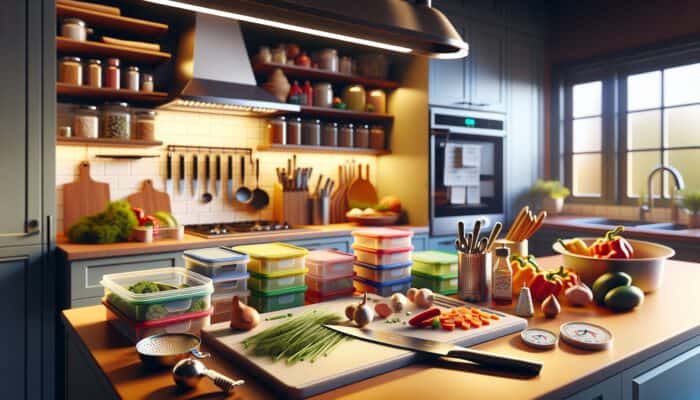
Equipping your kitchen with the right tools can significantly enhance your meal prep experience. Essential items include sharp knives for efficient chopping, a variety of storage containers to keep your meals organised, and measuring spoons for accurate ingredient quantities. In Australia, you can find affordable options at major retailers that provide good quality without overspending. Regular maintenance of your tools is also important; ensure that you sharpen your knives regularly and thoroughly wash your containers to maintain their safety for food use. A well-equipped kitchen not only streamlines the meal prep process but also transforms it into a more enjoyable and efficient experience.
What Quick and Simple Recipes Are Perfect for Meal Prep Beginners?
Introducing simple and quick recipes can make meal prep an enjoyable experience for novices. For example, consider preparing easy vegetable stir-fries and versatile grain salads. To whip up a vegetable stir-fry, begin with a colourful assortment of vegetables such as bell peppers, broccoli, and carrots. Quickly sauté them in olive oil with garlic and ginger to infuse rich flavours. Serve this alongside brown rice or quinoa for a well-rounded meal.
For a straightforward grain salad, cook your preferred grains and mix them with diced cucumbers, cherry tomatoes, and chickpeas. Dress the salad with olive oil and lemon juice, adding salt and pepper to taste. These recipes not only offer nutritional value but also allow for swapping seasonal vegetables or your favourite proteins to keep meals exciting. Regular practice will boost your confidence in meal prep.
Must-Have Tools for Efficient Meal Prep Every Beginner Should Own
What Kitchen Items Are Essential for Effective Meal Prep?
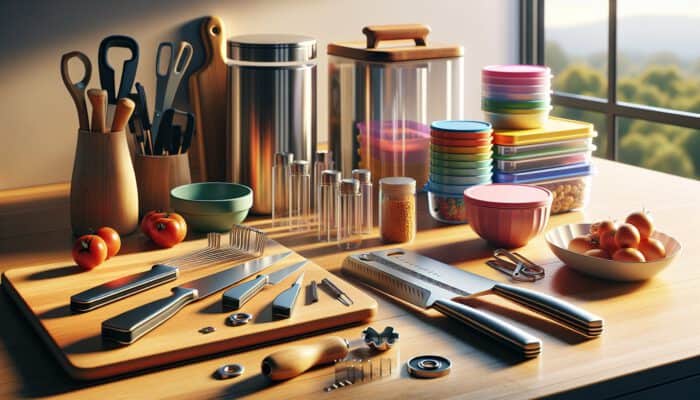
Initiating your meal prep journey requires specific must-have tools that facilitate efficient execution. Key items include sturdy containers with lids for proper storage, sharp knives for precise cutting, and a cutting board to protect your countertops. Other important tools are measuring cups to guarantee portion accuracy and a reliable can opener for canned goods. These essentials are typically cost-effective and versatile, making them suitable for everyday cooking. Investing in quality basics will lead to a more organised and effective cooking environment.
How to Organise Your Kitchen Workspace for Maximum Meal Prep Efficiency?
Creating a well-organised workspace is vital for enhancing efficiency during meal prep. Clear your countertop of clutter and designate specific zones for chopping, cooking, and storing ingredients. This thoughtful arrangement promotes a more streamlined process, enabling you to transition smoothly from one task to another. Consider using shelves or containers to keep your tools and ingredients easily accessible, ensuring that everything is at your fingertips when needed. An orderly kitchen fosters a focused mindset, making meal prep feel less daunting and far more enjoyable.
What Is the Secret to Accurate Portion Measurements in Meal Prep?
Achieving precise measurements in cooking is vital for minimising waste and promoting healthier eating habits. Invest in a reliable set of measuring cups and spoons to accurately portion out your ingredients. This practice not only contributes to balanced meals but also helps maintain portion control, which is particularly important for those who are health-conscious. Regularly check your measuring tools for accuracy, and remember that even slight variations can significantly affect the outcome of your dishes.
What Health and Lifestyle Advantages Does Meal Prepping Offer?
How Does Meal Prep Save You Valuable Time in Your Week?
Prepping meals in advance provides extraordinary efficiency, transforming your cooking routine. By dedicating just a few hours to meal preparation, you can drastically cut down on daily cooking time. This practice is especially beneficial for busy individuals, allowing you to grab pre-made meals instead of spending precious time in the kitchen after a long day. With meals already portioned and ready, you eliminate the stress of last-minute cooking, freeing up more time for other enjoyable activities. Meal prep revolutionises your week, offering convenience and alleviating the mental burden of daily meal decisions.
What Health Benefits Should You Consider When Meal Prepping?
Prioritising meal prep brings about significant health advantages that cannot be overlooked. One of the most notable benefits is achieving a well-balanced diet; when you prepare your meals at home, you gain control over ingredient quality and portion sizes. This mindful approach supports sustained energy levels throughout the day and encourages a diverse array of nutritious options, significantly enhancing your overall well-being. By dedicating time to planning and preparing meals, you reduce the likelihood of resorting to unhealthy takeaways, ultimately promoting a healthier lifestyle in the longer term.
How Does Meal Prep Cultivate Long-Term Healthy Eating Habits?
Meal prepping encourages routine and discipline, essential traits for developing sustainable practices that improve meal quality over time. Establishing regular meal prep habits inspires a deeper consideration of your food choices and encourages experimentation with new recipes and ingredients. This ongoing engagement not only enhances your culinary skills but also instils a sense of achievement as you witness the positive impacts on your health and lifestyle. Over time, these practices can become second nature, paving the way for lifelong healthy eating habits that will benefit you for years to come.
Expert Tips for Beginners to Master Effective Meal Prep
What Practical Steps Should Newcomers Follow for Successful Meal Prep?
For those new to meal prep, establishing straightforward routines can lay a solid foundation for effective habits. Begin by creating a weekly plan, designating a specific day and time for your meal prep activities. Consider using a simple template, such as cooking two proteins, two grains, and a variety of vegetables. For example, you might prepare grilled chicken, quinoa, and roasted seasonal vegetables—all of which can be mixed and matched throughout the week.
Start with modest quantities—perhaps two servings of each meal—to avoid feeling overwhelmed. After a few weeks of consistent practice, gradually increase your portions as you become more comfortable. This gradual progression helps build confidence and allows you to refine your methods to better suit your lifestyle and preferences.
What Key Principles Should You Adopt from Meal Prep Professionals?
Successful meal prep hinges on a few core strategies highlighted by professionals in the field. Timing is critical; designate a specific day for your prep and stick to it diligently. Choose ingredients that complement each other, providing versatility in your meals. For instance, roasted vegetables can be incorporated into salads, grain bowls, or wraps, maximising their utility across various dishes. Building foundational skills, such as mastering knife techniques and understanding cooking times for different ingredients, will enable you to prepare meals more efficiently. As you become familiar with the process, you’ll develop a rhythm that aligns with your personal preferences and lifestyle.
What Common Challenges Might You Face During Your Meal Prep Journey?
As with any new endeavour, you may encounter challenges during your meal prep journey. Common obstacles include time constraints, lack of motivation, or feeling overwhelmed by the entire process. To overcome these issues, start small and gradually build your skills and confidence in the kitchen. Set realistic expectations and remain adaptable; if a recipe doesn’t turn out as planned, pivot to something simpler. Engaging with communities, whether online or locally, can provide the support and encouragement you need to stay on track during tougher days.
What Essential Tools Will Enhance Your Meal Prep Experience?
When selecting kitchen tools, choose beginner-friendly options that enhance your meal prep experience. Look for containers that are microwave and dishwasher-safe to simplify both reheating and cleaning processes. A good quality chef’s knife is invaluable for efficient chopping, while a sturdy cutting board protects your surfaces. Additionally, consider investing in a slow cooker or an Instant Pot, which offer versatile meal preparation options. These appliances can simplify cooking tasks and allow for hands-off preparation, making them perfect for busy schedules. Explore budget-friendly options at local stores or online retailers to find tools that fit your needs without overspending.
How to Balance Nutrition and Variety in Your Meal Prep?
Incorporating a diverse range of nutritious foods into your meal plans is essential for avoiding monotony and ensuring optimal health. Start by rotating your primary ingredients, such as grains, proteins, and vegetables, each week. For instance, if you prepare brown rice one week, consider switching to quinoa the following week. Introduce a variety of herbs and spices to enhance flavours without adding unnecessary calories. Professionals suggest batch cooking different proteins, such as chicken, beans, or tofu, and preparing multiple sauces or dressings to maintain excitement and freshness in your meals. This strategy supports long-term healthy habits while keeping your taste buds engaged.
How to Plan Your Meals Effectively for Optimal Success?
What Basic Recipes Are Ideal for Meal Prep Beginners?
Choosing beginner-friendly recipes is fundamental in establishing effective meal prep routines. Opt for versatile meals that allow for nutritional variety while keeping your preparations straightforward. Below is a list of uncomplicated meal ideas to inspire your cooking:
- Vegetable stir-fry paired with brown rice
- Chickpea salad with mixed greens
- Whole grain pasta accompanied by roasted vegetables
- Quinoa bowls topped with grilled chicken or tofu
- Egg muffins featuring spinach and cheese
- Overnight oats with your choice of fruit and nuts
- Soup or stew prepared in batches for easy freezing
- Wraps filled with assorted ingredients for quick lunches
These recipes not only simplify the cooking process but also provide ample opportunity for creativity and adjustment based on your individual preferences.
How to Ensure Nutrient Balance in Your Meal Prep Plans?
Integrating a mix of food groups is crucial for ensuring a balanced intake that promotes health benefits. Aim to include lean proteins, whole grains, healthy fats, and a variety of fruits and vegetables in your meal prep. This comprehensive approach ensures that your body receives the essential nutrients needed for optimal functioning. Consider following the plate method, where half of your plate is filled with vegetables, a quarter is allocated to grains, and the remaining quarter is designated for protein. This simple visual guide can support balanced meal planning and healthy eating habits.
How to Tailor Your Meal Plans to Your Personal Preferences?
Customising meals according to your tastes is essential for enjoyable and sustainable meal prepping. Start by identifying your favourite flavours and ingredients, then incorporate these into your basic recipes. Adjust cooking methods to align with your preferences; grilling, roasting, or steaming can significantly alter taste profiles. Don't hesitate to experiment with seasonal produce, as it not only enhances flavour but also promotes freshness in your meals. Personalising your meal prep keeps you engaged and excited about your food choices, making the entire process more enjoyable.
What Is the Best Approach to Create a Weekly Meal Schedule?
Establishing a weekly meal schedule is an effective strategy for time management and adaptability in daily life. Start by assigning specific meals to designated days of the week, ensuring that you include variety to prevent monotony. Incorporate leftovers strategically to minimise waste; for example, utilise leftover roasted vegetables from one meal in a salad the following day. Be prepared to adjust your plans for unforeseen changes, such as a busy day or unexpected guests. This flexibility will encourage organised and sustainable eating habits in your household, making meal prep a seamless experience.
Research-Backed Advantages of Simple Meal Prep for Beginners
What Expert Insights Can You Gather on Meal Prep Efficiency?
Meal prepping offers efficiency that can be evidenced through practical improvements in cooking routines. For instance, dedicating a few hours one day a week can save you multiple hours of cooking throughout the week. Real-world examples illustrate that individuals who engage in meal prep report significantly lower stress levels related to food, as they have readily available meals on hand. This proactive approach facilitates enhanced focus on other tasks, improving overall daily productivity while helping you maintain a balanced lifestyle.
What Common Results Occur from Consistent Meal Prep?
Engaging in consistent meal prep yields numerous benefits, including improved health outcomes. Regular practice fosters healthier eating habits, as those who meal prep generally consume fewer processed foods and more fruits and vegetables. Evidence suggests that individuals who prepare their meals are more likely to adhere to dietary goals, resulting in enhanced weight management and overall fitness. Over time, these positive habits can lead to sustained energy levels, improved mood, and a greater sense of overall well-being.
Why Is Staying Motivated Important in Meal Prep?
Maintaining motivation is crucial for ensuring long-term success in meal prepping. Your engagement in consistent practice can be influenced by psychological factors such as goal-setting, accountability, and the satisfaction derived from completing tasks. Establishing a support system, whether through friends or online communities, can bolster your motivation and encourage ongoing engagement. Setting both short-term and long-term goals can help maintain focus, making it easier to integrate meal prep into your lifestyle and ensure you stay committed to your healthy eating journey.
Why Is Consistency Essential in Meal Prep?
How Can You Sustain a Successful Meal Prep Routine?
To maintain a successful meal prep routine, consider integrating it into your daily schedule. Establish specific days and times dedicated to meal planning and preparation, treating these commitments as appointments. Regularly revisiting your goals and reflecting on your progress can reinforce your commitment to meal prep. Over time, the repetition of these practices will cultivate a sense of reliability and confidence in your meal prep skills, transforming it into a seamless aspect of your lifestyle.
What Barriers Should You Anticipate During Your Meal Prep Journey?
As you embark on your meal prep journey, expect to encounter various challenges. These may include time constraints, lack of inspiration, or the temptation to revert to convenience foods. To navigate these hurdles, cultivate a flexible mindset that allows for adjustments based on your daily life. Implement strategies such as planning meals that can be prepared quickly or bulk cooking to accommodate busier weeks. A proactive approach to addressing these barriers will help you stay on track and committed to your goals.
How to Build Momentum from Small Wins in Meal Prep?
Fostering ongoing commitment to meal prep can be achieved through small, progressive steps that encourage growth and development in your cooking skills. Consider these simple yet effective tips:
- Start with one meal a week to build confidence in your abilities.
- Gradually increase the number of meals you prep as you feel comfortable and ready.
- Experiment with new recipes to keep the process exciting and engaging.
- Track your achievements, noting improvements in time management and health.
- Engage with online communities to share successes and seek inspiration from others.
These incremental steps enable you to establish a solid foundation for successful meal prep, reinforcing the positive changes you've made in your lifestyle.
What Common Mistakes Should You Avoid in Meal Prep?
How to Avoid Overcomplicating Your Meal Prep Approach?
A frequent pitfall in meal prep is overcomplicating your approach. Attempting to master intricate recipes or tackle large quantities can lead to frustration and burnout. Instead, simplify your processes by focusing on basic recipes and gradually introducing complexity as you gain confidence. Emphasising straightforward methods will lead to better outcomes and a more enjoyable experience overall, allowing you to appreciate the art of meal prep rather than feeling overwhelmed by it.
Why Is It Vital to Maintain Food Freshness?
Keeping food fresh is crucial for ensuring your meals remain safe and tasty. Regularly check expiry dates and storage conditions to avoid spoilage. Pay attention to the quality of your ingredients, sourcing fresh produce whenever possible. Implement FIFO—first in, first out—practices in your fridge and pantry to ensure older items are consumed before newer ones, minimising waste and maximising flavour in your meals.
What Signs of Burnout Should You Watch for During Meal Prep?
Identifying signs of burnout in meal prepping is essential for sustaining enthusiasm and motivation. Indicators may include a lack of motivation, feeling overwhelmed by the process, or losing interest in cooking altogether. To combat burnout, take breaks when necessary and reassess your goals and methods. Simplifying your meal prep and exploring new recipes can reignite your passion for cooking, ensuring you continue enjoying the process and the delicious meals you create.
Proven Strategies for Simple Meal Prep as a Beginner
What Core Techniques Should You Master for Successful Meal Prep?
Mastering a few fundamental skills is essential for boosting efficiency in your meal prep. Start with knife skills, as proper cutting techniques can save you considerable time in the kitchen. Focus on batch cooking to prepare multiple meals simultaneously, allowing for superior time management throughout the week. Understanding flavour combinations and cooking times for various ingredients will enhance your ability to create varied and delicious meals. Consistent practice of these techniques will build confidence and streamline your cooking process, making meal prep a more enjoyable experience.
How to Experiment with Flavours in Your Meal Prep?
Adding variety to your meals doesn’t have to be complicated or time-consuming. Experiment with different flavour profiles by incorporating new spices and herbs, or trying various cooking methods such as grilling, roasting, or sautéing. A dash of creativity can transform a basic dish into something extraordinary and exciting. Keep it simple; even minor changes can yield significant flavour enhancements without complicating your meal prep process or overwhelming your cooking routine.
Why Is Tracking Your Progress Important in Meal Prep?
Monitoring your meal prep journey is crucial for making adjustments based on your experiences and progress. Consider keeping a meal prep journal where you can note what worked well and what didn’t, as well as your thoughts and feelings about the process. This practice will help you identify patterns and make informed decisions about future meal preparations. Reflecting on your progress can motivate you to continue improving, ensuring a more satisfying and effective meal prep experience as you develop your skills.
FAQs about Meal Prep
What Is the Best Day to Commit to Meal Prep?
The ideal day for meal prep varies among individuals, but many find Sundays effective, as they can prepare meals for the week ahead. Choose a day that aligns with your schedule, allowing ample time for preparation and organisation.
How Long Do Meal Prepped Dishes Remain Fresh in the Fridge?
Generally, meal prepped dishes can last between 3 to 5 days in the fridge, depending on the types of ingredients used. Ensure proper storage in airtight containers to maintain freshness and prevent spoilage.
Can I Freeze Meal Preps for Future Enjoyment?
Absolutely, many meal preps can be frozen for later use. Items such as soups, stews, and marinated proteins freeze exceptionally well, extending their shelf life while preserving flavours and nutrients for future meals.
How Can I Ensure My Meals Are Balanced and Nutritious?
To ensure balanced meals, incorporate a variety of food groups, including lean proteins, healthy fats, whole grains, and plenty of fruits and vegetables. Following the plate method can help guide your portion sizes and nutritional balance.
What Tools Do I Need for Successful Meal Prep?
Essential tools for meal prep include sharp knives, cutting boards, measuring cups, and airtight containers. Additionally, consider investing in slow cookers or Instant Pots for added convenience and versatility in meal preparation.
How Do I Stay Motivated with Meal Prep?
To maintain motivation, set achievable goals, join meal prep communities for support and inspiration, and make cooking enjoyable by experimenting with new recipes and flavours that excite your palate.
Can Meal Prepping Assist with Weight Loss Objectives?
Absolutely! Meal prepping can support weight loss by fostering healthier eating habits, controlling portion sizes, and reducing the temptation to indulge in unhealthy convenience foods. This structured approach reinforces your weight management efforts.
Should I Adapt My Meal Plans to My Schedule?
Definitely! Planning meals around your personal schedule is crucial for ensuring you have time to prep and enjoy your meals. Flexibility is key to successful meal prepping, allowing you to adjust to changing circumstances.
What Are Some Easy Meal Prep Recipes for Beginners?
Easy meal prep recipes include vegetable stir-fries, grain salads, overnight oats, and hearty soups. These meals are straightforward to prepare and can be customised to suit your tastes and preferences.
How Do I Minimise Food Waste When Meal Prepping?
To reduce food waste, plan meals that utilise similar ingredients, implement FIFO practices in your pantry and fridge, and creatively incorporate leftovers into future meals. This approach maximises ingredient use and effectively reduces waste.
Connect with us on Facebook for More Tips!
The post Simple Ways to Meal Prep as a Beginner: Beginner Essentials appeared first on https://cookinggods.com
The Article Meal Prep Essentials for Beginners: Easy Tips to Get Started Was Found On https://limitsofstrategy.com