
Discover the Transformative Advantages of Lab-Grown Meat for Sustainable Food Practices
Lab-grown meat, commonly known as cultured meat or cell-based meat, signifies a revolutionary leap in our understanding and approach to food production. This cutting-edge technique involves the cultivation of animal cells within a sterile and controlled environment, presenting a viable and sustainable alternative to traditional meat farming. Picture relishing the rich flavours and satisfying textures of your preferred meats, all while significantly reducing the ecological impact and addressing the ethical dilemmas inherent in conventional livestock farming. As consumer awareness surrounding diets and their environmental implications continues to rise, the demand for lab-grown options is escalating, signalling a potential global transition towards more sustainable eating practices.
One of the most significant benefits of lab-grown meat is its markedly lower environmental impact. Traditional meat production is infamously linked to heightened levels of greenhouse gas emissions, extensive deforestation, and excessive water consumption. In stark contrast, lab-grown meat possesses the potential to drastically mitigate these detrimental effects, thereby fostering a more sustainable food ecosystem. Furthermore, this innovative production approach eradicates the need for animal slaughter, which resonates with an increasing number of ethical consumers prioritising animal welfare. By integrating advanced technology with culinary creation, lab-grown meat effectively addresses both ethical and environmental challenges, paving the way for a future rooted in sustainable food production.
The evolution of our food systems is not merely a passing trend; rather, it signifies a profound transformation in our relationship with what we consume. Lab-grown meat has the potential to redefine dietary patterns globally, encouraging people to rethink their food choices. With the incorporation of sophisticated technology and a growing awareness of sustainability, the opportunities are boundless. Envision a future where meat production is linked to minimal environmental degradation, ensuring that generations to come can continue to enjoy it as a central element in their diets.
However, the path toward widespread acceptance and incorporation of lab-grown meat is fraught with challenges. The elevated production costs serve as a notable obstacle, necessitating that innovators devise economical methods to efficiently scale production. Additionally, the intricate regulatory approval processes may impede market entry as governments around the world grapple with the classification and regulation of this emerging food category. Overcoming these hurdles will be essential for making lab-grown meat an accessible and mainstream alternative for consumers seeking sustainable food options.
Key Ingredients Essential for the Production of Lab-Grown Meat
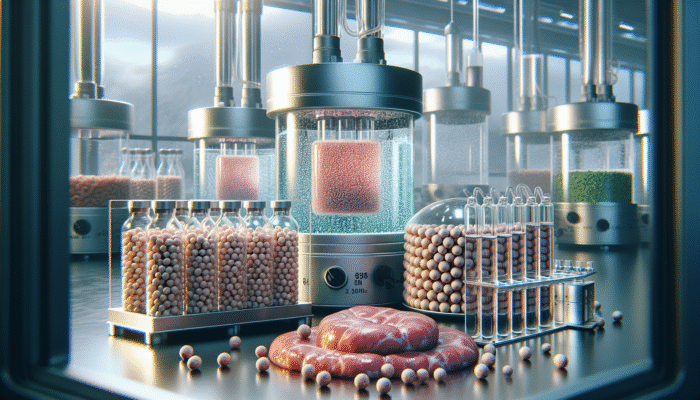
The successful production of lab-grown meat hinges on a specific combination of ingredients designed to promote cell growth and development. Central to this process are the protein sources incorporated into the culture medium, which are vital for nourishing the animal cells as they multiply and evolve into muscle tissue. Frequently used plant-based proteins, such as soy and pea protein, are commonly integrated to provide essential amino acids, while certain methodologies may incorporate animal serum to facilitate healthy growth. The choice of protein sources is pivotal, as it significantly influences the texture, flavour, and overall nutritional profile of the final product.
Another crucial element in the cultivation process of lab-grown meat is the inclusion of growth factors. These essential biomolecules play a vital role in stimulating cell division and differentiation, ensuring that the cells develop healthily and efficiently. Without the appropriate growth factors, the development of muscle tissue can be compromised, resulting in a product that may fall short of consumer quality expectations. Researchers are consistently investigating innovative methods to enhance these growth factors, with the goal of improving both the efficiency and yield of lab-grown meat production. This emphasis on optimising growth factors is critical, as it can profoundly affect the texture and flavour, aligning them more closely with traditional meat experiences.
Moreover, the use of scaffolding materials is essential in establishing the desired structure of lab-grown meat. These materials provide a three-dimensional support system that mimics the natural architecture of muscle tissue, fostering optimal cell growth. By employing biodegradable scaffolds made from substances like collagen or alginate, producers can enhance the texture and chewability of lab-grown meat. The choice of scaffolding material not only influences the sensory experience for consumers but also impacts the overall environmental footprint of the production process, highlighting the importance of sustainability in the culinary landscape.
The harmonious combination of these key ingredients forms the foundation of lab-grown meat production, underscoring the delicate equilibrium between innovation and sustainability. As research in this rapidly evolving field progresses, the pursuit of the ideal blend of proteins, growth factors, and scaffolding materials continues, paving the way for the next wave of meat alternatives that resonate with consumers on a global scale.
Enhancing Culinary Creativity: Cooking Methods for Lab-Grown Meat
Exploring a variety of cooking techniques is vital for unlocking the full potential of lab-grown meat, ensuring it meets the culinary expectations of a diverse consumer base. Classic methods such as grilling and roasting can be employed to elevate the flavour and texture of lab-grown meat. These techniques facilitate the caramelisation of natural sugars, resulting in an appealing crust and smoky flavour that closely mimics the experience of preparing traditional meats. When seasoned properly, grilled lab-grown meat can deliver a taste that resonates with meat enthusiasts, making it an attractive option for individuals aiming to adopt more sustainable eating habits.
Searing and pan-frying also emerge as effective cooking techniques that can lock in moisture while creating a rich, golden exterior. The high heat produced by these methods generates a satisfying crust that offers a hearty dining experience, both visually stunning and delectably satisfying. Whether crafting burgers or stir-fried dishes, these techniques can enhance the overall dining experience, showcasing lab-grown meat in innovative ways that highlight its versatility and adaptability across an array of culinary applications.
For those who appreciate precision in their cooking techniques, the sous vide method proves to be a transformative game-changer. This technique involves sealing lab-grown meat in a vacuum bag and cooking it in a water bath at a controlled temperature, ensuring even cooking while retaining moisture. The outcome is tender, flavourful meat that maintains its integrity without the risk of overcooking. Sous vide allows both chefs and home cooks to experiment with flavours and marinades, enhancing the overall taste experience. As awareness of sous vide cooking grows, its application in preparing lab-grown meat could further popularise this sustainable food option.
Ultimately, the cooking method chosen will significantly influence the final dish. Each technique provides unique opportunities to enhance flavours, introduce new textures, and embrace diverse culinary traditions from across the globe. With thoughtful preparation, lab-grown meat can seamlessly be integrated into kitchens worldwide, inviting a new generation of diners to embrace pioneering food technologies that advocate for sustainability and culinary innovation.
Delving into the Distinctive Flavour Profiles of Lab-Grown Meat
Understanding and enhancing the flavour profiles of lab-grown meat is essential for its acceptance across various culinary cultures. One of the most effective methods to achieve this is through the art of marinating. A well-crafted marinade can infuse lab-grown meat with a vibrant array of flavours, transforming it into a delectable dish that appeals to an assortment of taste preferences. By utilising a combination of herbs, spices, and acidic components, such as vinegar or citrus juice, cooks can tenderise the meat while adding depth and complexity. For instance, a marinade featuring soy sauce, garlic, and ginger not only introduces umami undertones but also pairs beautifully with Asian-inspired cuisines.
Spice rubs and seasonings are equally crucial in enhancing the overall flavour of lab-grown meat. An array of cultural cuisines offers rich inspiration for diverse spice combinations. Consider a classic barbecue rub that blends smoked paprika, cumin, and brown sugar, evoking traditional flavours associated with grilled meats. Alternatively, a Mediterranean mix featuring za'atar or harissa can elevate the taste of lab-grown meat to new heights, showcasing its versatility. These flavourings enable cooks to cater to a broad spectrum of culinary preferences, ensuring that lab-grown meat can be effortlessly incorporated into a variety of cuisines.
Furthermore, sauces and condiments serve as essential accompaniments to lab-grown meat, providing additional opportunities to enhance flavour profiles. A rich barbecue sauce can create a sweet and smoky glaze, while a zesty chimichurri can introduce freshness and vibrancy to grilled cuts. By experimenting with innovative sauces, chefs can transform lab-grown meat into an unforgettable dining experience that resonates with diners around the world. The key lies in exploring flavours that complement the meat's natural characteristics without overpowering them, ensuring a harmonious balance that delights the palate.
Through careful cooking methods and imaginative flavour combinations, lab-grown meat can deliver a distinctive culinary experience that transcends traditional meat options. As chefs and home cooks delve into the endless possibilities, the outcome will be a diverse array of dishes that showcase the potential of lab-grown meat in contemporary cuisine, promoting sustainability and innovation in our food choices.
Unveiling the Nutritional Benefits of Lab-Grown Meat

Acquiring a thorough understanding of the nutritional profile of lab-grown meat is vital for both consumers and producers. One of its standout features is its high-quality protein content, which rivals that of conventional meat. This protein is essential for muscle growth, repair, and overall health. As more individuals seek to incorporate sustainable protein sources into their diets, lab-grown meat emerges as a compelling alternative that aligns with health-conscious choices. Importantly, its capacity to provide essential amino acids while being produced with a significantly lower environmental footprint positions lab-grown meat as a crucial player in the future of protein consumption.
In addition to its high protein content, lab-grown meat possesses the potential for fortification with essential vitamins and minerals. Nutritional enhancements can ensure that lab-grown meat meets specific dietary requirements, catering to diverse populations. For instance, iron and vitamin B12 are vital nutrients commonly found in traditional meat. By incorporating these vitamins into lab-grown meat, producers can create a product that appeals not just to meat enthusiasts but also addresses potential deficiencies in vegetarian or vegan diets. This adaptability positions lab-grown meat as a valuable asset to health-focused diets globally.
Dietary customization is another significant facet of lab-grown meat's allure. With the rising popularity of specialised diets, ranging from low-fat to high-iron options, lab-grown meat can be tailored to meet various consumer preferences. For example, by modifying the fat content during production, lab-grown meat can cater to individuals pursuing healthier alternatives without compromising flavour. This level of customization not only broadens the consumer base but also encourages a shift towards more sustainable eating habits, aligning with the increasing demand for healthier food choices.
As lab-grown meat continues to develop, its nutritional considerations will play a pivotal role in its acceptance and integration into everyday diets. By prioritising health benefits alongside sustainability, producers can ensure that lab-grown meat becomes a staple in households worldwide, addressing both dietary and ethical concerns while contributing to a more sustainable food future.
Innovative Recipe Ideas Showcasing Lab-Grown Meat
One of the most exciting aspects of lab-grown meat is its culinary versatility, providing opportunities for inventive recipes that cater to a wide range of tastes and preferences. Let’s delve into a few standout recipes that illustrate how lab-grown meat can be transformed into delightful meals, pleasing diverse palates.
Lab-grown meat burgers are sure to be crowd-pleasers, offering a juicy and satisfying option for those craving a classic meal. Begin with a base of finely ground lab-grown meat blended with breadcrumbs, onions, and your preferred seasonings. Shape the mixture into patties and grill them to perfection. Serve on a toasted bun adorned with an array of toppings such as fresh lettuce, tomatoes, pickles, and gourmet sauces. What makes this recipe appealing is its customisability; feel free to swap traditional toppings for unique options like avocado, spicy aioli, or even grilled pineapple for an adventurous twist. Lab-grown meat burgers are ideal for barbecues, weeknight dinners, or casual gatherings with friends and family.
For a more adventurous culinary option, consider crafting a lab-grown meat stir-fry. This quick and easy recipe is perfect for busy cooks searching for a healthy meal solution. Sauté lab-grown meat with a vibrant mix of colourful vegetables such as bell peppers, broccoli, and snap peas in a hot wok. Add a generous splash of soy sauce, paired with garlic and ginger, for an explosion of flavour. Serve over steamed rice or noodles for a lively, nutritious dish that satisfies both hunger and taste. With countless variations, lab-grown meat stir-fry can easily become a household staple, providing a quick and healthy meal option.
Lab-grown meat skewers present another enticing choice, ideal for grilling enthusiasts. Marinate lab-grown meat in a mixture of olive oil, lemon juice, and herbs such as rosemary or thyme for a delicious flavour infusion. Thread the marinated meat onto skewers alongside colourful vegetables like cherry tomatoes, bell peppers, and zucchini. Grill until beautifully charred and serve with a refreshing yogurt sauce or a spicy salsa for an unforgettable feast. These skewers are an excellent option for outdoor gatherings, showcasing the delightful potential of lab-grown meat in a fun, shareable format.
Lastly, lab-grown meat tacos offer a fantastic opportunity for a fun and interactive dinner party experience. Use seasoned lab-grown meat as the star ingredient, complemented by fresh salsa, guacamole, and crunchy slaw. Serve with soft or hard taco shells, allowing guests to create their own unique combinations. This engaging dining experience invites creativity and caters to various preferences, making it an ideal option for social gatherings. With the right ingredients, lab-grown meat tacos can transport diners to the vibrant streets of Mexico, proving that sustainable options can be both delicious and enjoyable.
As the culinary landscape embraces lab-grown meat, the possibilities for unique and exciting recipes are virtually limitless. By incorporating this innovative ingredient into everyday dishes, we can explore diverse flavour profiles while promoting a sustainable future for food that satisfies the appetites of the modern consumer.
Addressing Frequently Asked Questions About Lab-Grown Meat
What exactly is lab-grown meat?

Lab-grown meat, frequently referred to as cultured meat, is produced by culturing animal cells in a laboratory setting, offering a sustainable alternative to traditional meat without necessitating animal slaughter.
Is lab-grown meat healthier than conventional meat?
Lab-grown meat can be fortified with essential vitamins and minerals, potentially presenting a healthier nutritional profile than conventional meat, depending on the production methods and ingredients utilised.
What is the production process for lab-grown meat?
Lab-grown meat is created by extracting cells from actual animals, which are subsequently cultured in a nutrient-rich medium designed to foster cell growth and development into muscle tissue.
What environmental advantages does lab-grown meat offer?
Lab-grown meat assists in reducing greenhouse gas emissions, necessitates significantly less land and water, and contributes to the reduction of deforestation compared to traditional livestock farming practices.
Can lab-grown meat be prepared in the same way as regular meat?
Absolutely! Lab-grown meat can be cooked using a variety of methods, including grilling, roasting, and pan-frying, delivering a taste and texture that closely resembles conventional meat.
What are the primary challenges confronting lab-grown meat?
High production costs and complex regulatory approval processes present notable obstacles to the widespread adoption of lab-grown meat in the global marketplace.
Is lab-grown meat safe for consumption?
Yes, lab-grown meat undergoes rigorous testing and must comply with safety regulations established by food safety authorities prior to being made available to consumers.
How does the flavour of lab-grown meat compare to that of traditional meat?
Lab-grown meat can closely replicate the taste and texture of traditional meat, contingent upon the production techniques and flavouring methods employed during its preparation.
Where can I purchase lab-grown meat?
The availability of lab-grown meat varies by location, with products beginning to emerge in select restaurants and stores globally as regulatory challenges continue to be addressed.
Will lab-grown meat fully replace conventional meat?
While lab-grown meat is unlikely to entirely replace traditional meat, it presents a sustainable alternative that can complement existing meat production systems and appeal to environmentally conscious consumers.
Become part of our community on Facebook!
The post Lab-Grown Meat Recipes: Your Essential Culinary Guide appeared first on https://cookinggods.com
The Article Lab-Grown Meat Recipes: A Must-Have Culinary Guide Was Found On https://limitsofstrategy.com


