
Your Ultimate Resource for Responsible Hunting: Embracing Ethical Practices
Vital Information: Navigating the Maze of Hunting Laws and Regulations
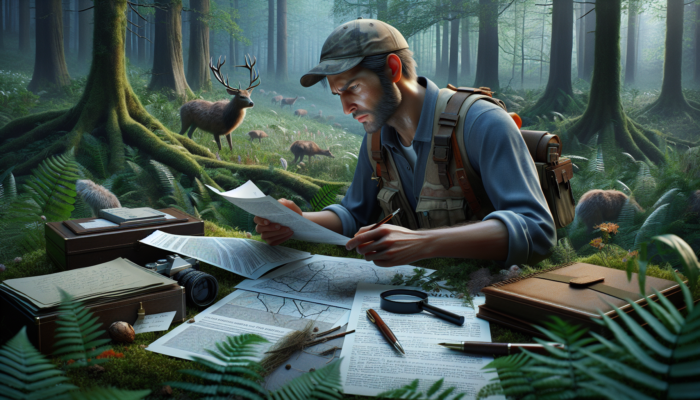
Gaining a comprehensive understanding of the intricate legal framework surrounding hunting is crucial for anyone who wishes to engage in this rewarding activity. Every state has its own distinct set of hunting laws and regulations that are meticulously crafted to protect wildlife populations while ensuring the safety of participants and the environment. By immersing yourself in these essential rules, you not only comply with legal obligations but also foster a culture of respect and responsibility within the broader hunting community. Start your journey by examining the guidelines issued by your local wildlife agency, which typically provide critical details regarding hunting seasons, necessary licenses, and specific restrictions that apply to various game species.
Additionally, it's imperative to recognize that federal regulations can also influence hunting practices, particularly concerning migratory birds and endangered species. Ignorance of these laws can result in severe penalties, including hefty fines and the revocation of hunting privileges. Therefore, before embarking on your inaugural hunting trip, allocate ample time to meticulously research and comprehend both local and federal regulations. This foundational knowledge not only ensures a responsible and ethical hunting experience but also honors the wildlife and the sport itself.
The Essential Link Between Wildlife Conservation and Ethical Hunting Practices
Many novice hunters may not fully appreciate the substantial impact that ethical hunting has on the broader initiative of wildlife conservation. By actively engaging in regulated hunting practices, you play an integral role in population control and effective habitat management, both of which are vital for sustaining a balanced ecosystem. The funds collected from hunting licenses and associated fees are frequently earmarked for conservation efforts aimed at protecting critical habitats and supporting diverse wildlife populations.
Moreover, ethical hunters champion sustainable practices that ensure future generations will continue to enjoy this cherished sport. By grasping the intricate relationships that affect wildlife populations and their habitats, hunters can make well-informed decisions that bolster conservation efforts. Embracing ethical hunting practices not only enriches your personal experience but also solidifies your position as a responsible steward of the natural world, underscoring the intricate connection between hunting and conservation.
Essential Ethical Hunting Practices That Every Beginner Should Adopt
Understanding the foundational principles of ethical hunting is crucial for newcomers stepping into the realm of hunting. Central to this philosophy is the notion of fair chase, which ensures that animals have a genuine opportunity to escape, thereby making hunting a respectful and challenging pursuit. This principle actively discourages practices that give hunters an unfair advantage, such as utilizing technology to track animals or hunting from vehicles.
In addition, embracing humane hunting techniques is vital for securing efficient and ethical kills. This necessitates a thorough understanding of shot placement and the selection of suitable calibers for various game species. A conscientious hunter devotes time to honing their shooting skills, ensuring they can deliver an accurate shot when the moment is critical. By adhering to these ethical practices, you not only enhance your hunting abilities but also express respect for the animals you pursue and the surrounding natural environment.
Crucial Equipment Guide for Novice Hunters: Making Informed Choices
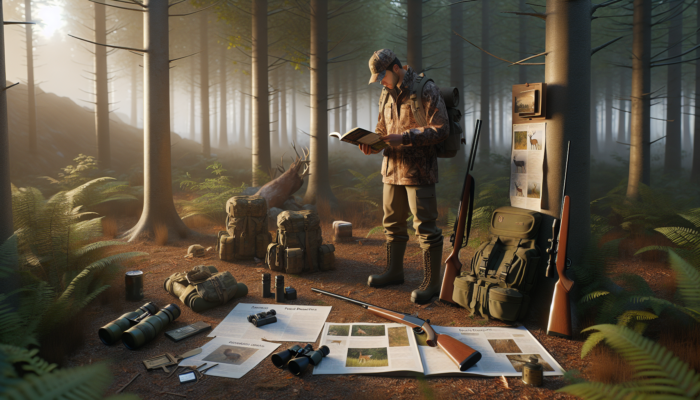
Choosing the Right Firearm for an Exceptional Hunting Experience
Selecting the appropriate firearm is a pivotal decision for any novice hunter. The vast array of options available can be overwhelming, with choices ranging from rifles to shotguns, each specifically designed for different types of game. For instance, if you plan to hunt deer, a rifle chambered in .243 or .308 is highly recommended due to its precision and efficacy. On the other hand, if upland bird hunting is your goal, a 12-gauge shotgun might be the more suitable choice.
When making your selection, consider several factors, including your physical stature, prior shooting experience, and the type of game you aim to pursue. Visiting a local gun shop or shooting range can be advantageous, as knowledgeable staff can provide valuable insights and allow you to handle various models. Always prioritize safety features and ensure that the firearm feels secure in your grip. By making an informed and thoughtful choice, you set the foundation for a successful and enjoyable hunting experience.
Must-Have Hunting Accessories for Every New Hunter
In addition to your firearm, there are several essential hunting accessories that every novice hunter should consider obtaining. A high-quality pair of binoculars is indispensable for spotting game from a distance, while a reliable knife is crucial for field dressing and processing your harvest. Investing in durable camouflage clothing is also advantageous, as it enables you to blend seamlessly into your environment, making it easier to approach game without being detected.
A sturdy backpack is another critical item for transporting your gear and any game you successfully harvest. Equip your pack with essentials such as a first aid kit, a dependable water bottle, and detailed maps of your hunting area. These tools not only enhance your overall experience but also ensure your safety while in the field. By equipping yourself with the right accessories, you can focus on the excitement of the hunt without worrying about the sufficiency of your gear.
Affordable Hunting Gear Options for Budget-Conscious Beginners
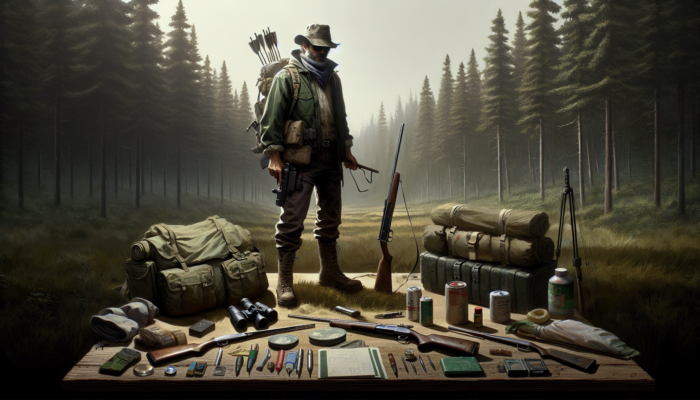
For new hunters, the financial burden of acquiring gear can seem overwhelming. Fortunately, numerous budget-friendly hunting gear options exist that maintain quality without breaking the bank. Start by exploring second-hand gear or visiting local sporting goods stores that often provide discounts for new hunters. Many brands also offer entry-level products that combine affordability with reliability.
Focus on securing essential items first, gradually expanding your collection as you gain experience. For instance, acquiring a basic firearm and ammunition should be prioritized over spending on specialty gear such as premium binoculars or high-end camouflage. Additionally, various online retailers feature sales or clearance sections where you can find excellent bargains. With patience and diligent research, you can build a robust hunting arsenal without financial strain.
Developing Core Hunting Skills: A Beginner’s Path to Mastery
Scouting and Tracking Game: Essential Abilities for Hunting Success
One of the most gratifying skills a beginner can cultivate is the ability to effectively scout and track game. Successful hunting often hinges on a deep understanding of an animal’s behavior, habitat preferences, and movement patterns. Start by learning to identify signs of wildlife, such as tracks, droppings, and feeding areas. These indicators provide invaluable insights into where animals are likely to be, significantly enhancing your chances of a successful hunt.
Moreover, invest time in observing the landscape and recognizing how weather conditions can affect animal behavior. For example, deer are typically more active during dawn and dusk. By scouting your hunting area in advance and marking potential hotspots on a detailed map, you can devise a strategic plan for your hunt. This level of preparation not only boosts your confidence but also enriches your overall hunting experience, making each outing more rewarding.
The Importance of Wind Direction and Scent Management in Hunting
Mastering wind and scent control is crucial for any hunter seeking to remain undetected. Animals possess an exceptional sense of smell, and even the faintest hint of human scent can drive them away. To minimize this risk, always position yourself so the wind is blowing directly in your face, which means you should be downwind from where you anticipate the game will approach.
There are numerous products available to help mask your scent, including scent-eliminating sprays and specialized clothing. However, the most effective strategy begins with maintaining good personal hygiene before your hunting trip. Wash your clothing in unscented detergent and avoid using fragrant soaps or shampoos when showering. By implementing these precautions, you can significantly increase your chances of encountering game during your hunt, making each outing more successful.
Fundamental Shooting Techniques for Novice Hunters
Establishing a solid foundation in shooting fundamentals is essential for any beginner hunter. Start by thoroughly understanding the basic components of your firearm, including loading, unloading, and safe handling. Familiarize yourself with various shooting stances and grips, as these factors significantly impact your accuracy.
Regular practice at a shooting range is vital for building confidence and refining your skills. Concentrate on key elements such as aim, breath control, and trigger squeeze. Consistent practice will help you develop muscle memory, making accurate shooting easier when it counts. Always prioritize safety by adhering to range rules and emphasizing responsible firearm handling, ensuring that both you and those around you remain safe.
Adapting to Various Hunting Environments: Strategies for Optimal Success
Effective Hunting Techniques for Forests and Woodlands
Hunting in woodlands and forests presents unique challenges and opportunities for novice hunters. Visibility is often limited, making stealth and patience critical components of your hunting strategy. As you navigate these densely wooded areas, take the time to familiarize yourself with the terrain. Look for natural funnels such as trails, riverbanks, and clearings where wildlife is likely to traverse.
A slow, methodical approach is essential. Move quietly, avoid sudden movements, and utilize available cover to your advantage. Tree stands can provide an elevated vantage point, increasing your chances of spotting game. Always stay alert and attuned to your surroundings; successful hunts in wooded environments often demand time, patience, and a profound understanding of animal behavior.
Modifying Hunting Strategies for Open Fields and Plains
When transitioning to open fields and plains, your hunting strategies will need to evolve. In these settings, visibility increases, but the challenge of remaining hidden intensifies. Proficiency in long-range shooting becomes a crucial skill in open areas, making it essential to practice your accuracy with a rifle designed for effective long-distance shots.
Utilize natural cover, such as bushes or terrain features, to conceal your movements as you approach game. Consider the time of day; many animals are more active during early morning and late evening. Use binoculars to scan expansive areas for any signs of movement, and be prepared to wait patiently for the optimal moment to act. Mastering these adaptive strategies will significantly improve your effectiveness in open-field hunting scenarios.
Specialized Techniques for Successful Waterfowl Hunting
Hunting waterfowl, including ducks and geese, presents a unique set of challenges and rewards requiring specialized strategies. Understanding the behaviors of these birds is essential for a successful hunt. Focus on identifying bodies of water where birds are likely to congregate, such as lakes, rivers, and wetlands, as these locations become prime hunting grounds.
Setting up decoys is a common tactic for attracting waterfowl. Properly positioned decoys create a lifelike representation that entices birds to land nearby. Additionally, mastering the art of calling is essential; learning to mimic the sounds of waterfowl can significantly enhance your success rates. Always remain aware of weather conditions, as they can dramatically impact waterfowl behavior. By employing these specialized techniques, you will greatly increase your chances of enjoying a successful and fulfilling waterfowl hunting experience.
Preparing and Cooking Your Game: Essential Skills for Every Hunter
Mastering Field Dressing and Processing Game: A Hunter's Essential Skill
Properly handling and processing your game is a fundamental skill that every hunter should master. Field dressing is the crucial initial step following a successful hunt, necessary for preserving the meat and ensuring it remains safe for consumption. Begin by organizing your tools, which typically include a sharp knife and gloves. Choose a clean area that is far removed from potential contamination sources, such as water bodies or carcasses.
Begin by making a careful incision along the belly, being cautious not to puncture any internal organs. Remove the entrails and any unwanted parts, taking care not to damage the hide. Once the animal has been properly field dressed, it becomes easier to transport, and the meat will cool more efficiently, minimizing the risk of spoilage. Mastering these essential steps not only shows respect for the animal but also enhances your cooking experience, allowing you to fully appreciate the results of your efforts.
Simple and Flavorful Recipes for New Hunters
Transforming your harvested game into a delicious meal can be one of the most rewarding aspects of hunting. Beginners can start with straightforward recipes that accentuate the meat’s natural flavors. For instance, roasting a game bird with fresh herbs and spices can enhance its unique taste while remaining easy to prepare.
Consider making a hearty stew using venison or other wild game; this method allows tougher cuts to become tender while infusing rich, savory flavors. Additionally, numerous resources are available that provide easy-to-follow recipes tailored specifically for beginners. Experimenting with various cooking methods will not only advance your culinary skills but also ensure that you maximize the value of your hard-earned harvest.
Crucial Food Safety and Storage Tips for Game Meat
Ensuring the safety and proper storage of your game is of utmost importance. After processing your meat, it is essential to refrigerate or freeze it promptly to prevent spoilage. Use airtight packaging to keep moisture and air out, which helps maintain the meat’s quality. If you plan to freeze your game, label each package with the date and type of meat for easy identification in the future.
Always practice good hygiene when handling raw meat. Thoroughly wash your hands both before and after processing, and clean all utensils and surfaces with hot, soapy water. By adhering to these food safety tips, you can enjoy your game with confidence, knowing that you have taken the necessary precautions to ensure its safety and quality.
Building a Supportive Hunting Community: Connecting with Fellow Enthusiasts
Joining Hunting Clubs and Organizations for Enrichment and Growth
Connecting with fellow hunters through hunting clubs and organizations can significantly enhance your overall experience. These communities offer a wealth of knowledge, allowing you to learn from seasoned hunters while sharing your insights. Many clubs organize events such as workshops, training sessions, and group hunts, providing invaluable opportunities for hands-on learning.
Furthermore, being part of a hunting community fosters a sense of camaraderie and support among members. You will find mentors eager to guide you through the early stages of your hunting journey, offering insights and tips that can accelerate your learning process. These connections often lead to lasting friendships and a deeper appreciation for the sport, enriching your hunting experience.
Leveraging Mentorship Programs for New Hunters
Numerous organizations offer mentorship programs specifically designed to support new hunters. These programs pair beginners with experienced hunters who can provide essential guidance and encouragement. A mentor can assist you in navigating the complexities of hunting, from choosing the right gear to mastering crucial techniques.
Having a mentor not only accelerates your learning but also boosts your confidence. They can share valuable insights into local hunting spots and regulations while providing personalized advice tailored to your skill level. Participating in a mentorship program can be one of the most rewarding investments in your hunting education, equipping you with knowledge and skills that will serve you well throughout your hunting journey.
Engaging with Online Hunting Communities for Valuable Insights and Resources
In today’s digital era, online hunting communities have become invaluable resources for beginners. Platforms such as forums and social media groups allow you to ask questions, share experiences, and stay abreast of the latest trends in hunting. These communities often consist of seasoned hunters eager to share their wisdom and tips.
Participating in discussions and seeking feedback from others can significantly enhance your knowledge and skills. Moreover, online communities can help you find local hunting partners or inform you about upcoming events and workshops. By leveraging these resources, you can enrich your hunting journey and cultivate connections that extend beyond the digital realm, enhancing both your skills and enjoyment of the sport.
Addressing Common Beginner Questions: Your Hunting Queries Answered
What essential gear is required to begin hunting as a novice?
To embark on your hunting adventure, you will need an appropriate firearm or bow, suitable clothing, and essential gear such as binoculars and a reliable hunting knife. Additionally, familiarizing yourself with local regulations and obtaining the necessary licenses is vital.
How can I locate hunting areas near my location?
Finding hunting areas can be accomplished by checking state wildlife agency websites, connecting with local hunting clubs, or utilizing online maps that highlight public hunting grounds and accessible locations.
What should I know about hunting seasons?
Hunting seasons vary by state and species, making it essential to consult your local regulations to determine when you are permitted to hunt specific animals and ensure compliance with all legal requirements.
What safety precautions should I adhere to while hunting?
Prioritize safety by wearing appropriate gear, following firearm safety protocols, and informing someone of your hunting plans. Always maintain awareness of your surroundings and the presence of other hunters in the area.
Which types of game are suitable for beginners to hunt?
Beginners can start with small game such as rabbits and squirrels, which are often more abundant and forgiving. As you gain experience and confidence, you can gradually pursue larger game options like deer or waterfowl.
How can I improve my shooting accuracy as a beginner?
Consistent practice at a shooting range is essential for improving accuracy. Concentrate on maintaining proper stance, grip, and breathing techniques, and consider enrolling in a shooting class for professional guidance.
What is field dressing, and why is it an essential skill?
Field dressing refers to the process of removing the internal organs of harvested game to preserve the meat. It is vital for preventing spoilage and ensuring that the meat remains safe for consumption.
Is it feasible to hunt without a mentor?
While having a mentor can be advantageous, it is indeed possible to learn independently through research, online resources, and practice. Joining hunting clubs can provide additional support and guidance as you navigate your early hunting experiences.
What benefits arise from joining a hunting community?
Becoming part of a hunting community offers networking opportunities, shared knowledge, and support from experienced hunters. Such connections can enhance your learning and foster camaraderie among fellow enthusiasts.
What are some effective methods for cooking wild game?
Cooking wild game involves proper handling and preparation techniques. Simple recipes like hearty stews or roasted dishes can bring out the natural flavors of the meat. Experimenting with different cooking methods will help you discover your preferences and enhance your culinary skills.
The post Hunting For Beginners: The Essential Guide to Start appeared first on Survival Bite.
The Article Hunting for Beginners: Your Essential Starter Guide Was Found On https://limitsofstrategy.com



Ah, the intricate dance of hunting laws and regulations—akin to trying to learn the tango while dodging the occasional bear! It’s like playing chess, but the pieces might have fur—and occasionally, they could bite back.
You’ve captured a unique essence of the complexities involved in understanding hunting laws. The comparison to a tango is particularly vivid; there’s a rhythm to it, but also a need for agility—especially when rules can change based on where you are and who’s calling the shots.
Your observation about the rhythm and agility of navigating hunting laws hits home. This dance between regulations and nuances shifts depending on local governance, social attitudes, and even the environment. Each place has its unique culture surrounding hunting, which heavily influences the rules that come into play.
Thank you for your thoughtful insight! If you’re interested in exploring more about navigating those complexities, check out this resource that dives deeper into understanding hunting laws.
https://walking-uk.com/trustindex
You really hit on something important with that tango comparison. It’s not just about knowing the steps; it’s about being aware of your surroundings and adjusting as you go. One minute you’re in a place where the rules are solid, and the next, you’re in an area with completely different guidelines. It really makes you think about how local cultures and history shape these laws too. It’s not just a game of following rules; it’s about understanding the community and environment you’re operating in. Who knows what you might discover when you get into the rhythm of it all?
I’m glad you resonated with that comparison! If you’re looking to dive deeper into the nuances of hunting laws and stay updated, check out this resource that can help you navigate the dance with confidence.
https://walking-uk.com/krystal
It really is a bit like navigating a dance floor, isn’t it? The balance of knowing the moves while staying aware of your surroundings can be quite the challenge. When you think about it, hunting laws are not just about the act of hunting itself; they also reflect our evolving relationship with nature.
You’re spot on with that dance floor analogy. It’s a tricky balance out there, both for the hunters and for those of us watching from the sidelines. Just like on a dance floor, where you need to know your steps while keeping an eye on who’s moving around you, hunting laws demand an awareness of more than just the target. It involves an understanding of wildlife management, ecological balance, and even the dynamics of community values.
You bring up such a compelling point with that dance floor analogy. It really emphasizes how interconnected everything is, especially in activities like hunting that often get oversimplified. The dance floor is a perfect metaphor for how we need to move in sync with not only our immediate surroundings but also with deeper themes like ecological sustainability and community ethics.
Your thoughts on the dance floor analogy really resonate. It captures the idea that hunting isn’t just about the act itself but also about the rhythm we create with the environment and the community around us. Every step we take in nature echoes with the history of our interactions with it—how we respect, learn from, and ultimately protect those ecosystems.
“Absolutely! If you’re intrigued by these interconnected themes and want to dive deeper into the dance of ecological sustainability and community ethics, check out this resource that beautifully expands on these ideas.”
https://walking-uk.com/krystal
You hit the nail on the head! The dance floor really does capture that essence of connection and rhythm in hunting and beyond. It’s not just about the act itself; it’s about being aware of how our choices impact the entire ecosystem. When we’re “dancing” with nature, we become part of a larger narrative that includes all life forms around us.
“I’m glad the dance floor analogy resonated with you! If you’re interested in exploring these themes further, check out this resource that dives deeper into the connections between hunting, ecology, and community.”
https://walking-uk.com/trustindex
You’ve captured something really profound with the dance floor metaphor. There’s a certain fluidity in how we interact with nature that mirrors the rhythm of a dance, isn’t there? It makes me think about how our choices, whether in hunting or environmental practices, can ripple throughout the ecosystem. The awareness that we are part of a larger narrative not only fosters respect for wildlife but also encourages us to think more sustainably.
You’ve really hit on something interesting with the dance floor metaphor. The fluidity of how we engage with nature does feel like a carefully choreographed performance, where every step we take has implications. It brings to mind how interconnected everything is; our choices can send out ripples that influence not just wildlife but entire ecosystems. It often makes me reflect on how our daily decisions, from the products we choose to the activities we partake in, contribute to the larger environmental narrative.
I really resonate with your thoughts on the dance floor metaphor. It’s fascinating to think about our engagement with nature as a choreography. Each step truly does seem deliberate, and it’s eerie but empowering to realize how interconnected everything is.
It’s great to hear that the dance floor metaphor resonated with you. It’s funny, isn’t it? When you think about how we relate to nature, the idea of choreography really brings out that delicate balance we often overlook. Much like every dancer on a floor, we’re all moving in sync with the world around us, even if it sometimes feels like we’re just stumbling through the routine.
I’m glad you found the dance floor metaphor meaningful! If you’re interested in exploring more about our connection with nature and how we can embrace this choreography in our lives, check out this resource I think you’ll enjoy.
https://walking-uk.com/quillbot
I love how you framed the relationship we have with nature as a dance—there’s something beautifully poetic about that idea. It’s so true that we often overlook the intricate balance at play, as if we’re all just navigating our own rhythm while being part of a larger performance. I find myself reflecting on this a lot while hiking or even just walking in my neighborhood. Each little twist and turn feels like a part of that choreography, reminding me of my place within this complex web of life.
You’ve tapped into something that resonates deeply—our engagement with nature really does feel like a dance. The idea of each step having implications isn’t just a poetic notion; it’s a reality we’re all part of. It’s almost overwhelming to think about how interconnected everything is.
You’re spot on about that connection on the dance floor; it mirrors our relationship with nature in so many ways. It’s fascinating how our choices—big or small—echo throughout the ecosystem. When we engage with the environment, whether through hunting or simply enjoying the outdoors, we’re part of that intricate web of life.
“Absolutely! If you’d like to deepen this connection and explore the intricate relationship between hunting, ecology, and community, I highly recommend checking out this insightful resource: https://walking-uk.com/trustindex.”
https://walking-uk.com/eComToolkit
It’s interesting how those dance floor connections truly reflect our bond with nature. When you think about it, it’s like we’re constantly moving in rhythm with the ecosystem. Each choice we make—whether it’s how we interact with the environment or the way we engage in outdoor activities—creates ripples that affect everything around us.
You bring up such a nuanced perspective with that dance floor analogy. It really highlights how important awareness is in both contexts. Just like a dance floor can get crowded and unpredictable, the world of hunting and wildlife management is filled with complexities that often go unnoticed by those who aren’t directly involved.
You make an interesting point about the complexities of both the dance floor and the world of hunting and wildlife management. It really does seem like both environments require a keen awareness of what is happening around us. Just like navigating a crowded dance floor, where each person has their own rhythm and intentions, wildlife management involves understanding the intricate relationships among species, ecosystems, and human interests.
You’ve nailed it with that analogy! It’s like being at a dance party where someone’s always stepping on toes—whether it’s the deer, the hunters, or even the folks who just don’t get the electric slide. A hunter’s dance isn’t just about spotting their mark; it’s also about moving gracefully within the rules of engagement.
“Absolutely, striking that balance is key! If you’re interested in diving deeper into the intricate world of wildlife management and how it relates to hunting laws, check out this insightful resource.”
https://walking-uk.com/VideoLeap
You’ve captured the essence of the situation perfectly. The dance floor comparison highlights the complexity involved in hunting. It’s not just about the thrill of the chase; it’s about the relationships and responsibilities that come with it.
You really hit the nail on the head with that comparison to the dance floor. There’s so much more happening than just the thrill of the adrenaline rush that comes with the hunt. It’s a bit like a dance with nature, isn’t it? Every movement and decision impacts not just us, but the ecosystem as a whole.
I appreciate your perspective on the dance floor comparison; it really does highlight how nuanced the dynamics of hunting are. It’s fascinating to think about how the relationships and responsibilities can impact the overall experience. For instance, many people view hunting primarily as an individual pursuit, but it often involves communal ties—whether it’s sharing stories, the conservation efforts that come into play, or fostering respect for nature and wildlife.
You raise some great points about the communal aspect of hunting. It’s true that many view it as a solo venture, but those connections—whether through storytelling or shared experiences—really add layers to what it means to be out in the field. Sharing the results of a hunt or working together on conservation projects fosters a sense of responsibility for the land and the wildlife.
“I’m glad you found the dance floor analogy insightful! If you’re interested in exploring more about the communal aspects of hunting and the responsibilities that come with it, check out this resource for deeper insights and stories.”
https://walking-uk.com/emailoctopus
You nailed it with that dance floor analogy. There’s definitely an art to navigating the rules and rhythms of hunting, and it’s not just about the hunt itself. The way those laws adapt over time really speaks to how we’re learning and re-learning our place in the natural world.
Absolutely, it’s a delicate dance! To dive deeper into this evolving relationship between hunting laws and nature, check out this insightful resource that sheds light on the topic.
https://walking-uk.com/consult
I appreciate your perspective on the dance of hunting and how the rules adapt. It’s fascinating how this ongoing evolution reflects our growing understanding of ecology and conservation. I’ve noticed that the rhythm of regulations often mirrors the shifts in societal attitudes toward wildlife and the environment.
You’re spot on about the changing rhythm of regulations. It’s interesting to see how much those rules dance in step with public sentiment. When people start to connect more with nature, those shifts in attitudes can lead to better conservation efforts and smarter hunting practices. It’s like a constant give-and-take between what we value and how we protect it. Plus, it’s refreshing to see how different communities are starting to engage in conversations about wildlife, bringing in local knowledge and traditions, which adds even more layers to these regulations. It feels like we’re all part of a larger story about balance and respect for the ecosystem we share. What have you noticed in your area that points to this evolution?
“Absolutely, the evolving dance of regulations is indeed a reflection of our changing values. If you’re interested in exploring this topic further, check out our latest insights on the interplay between conservation efforts and societal attitudes.”
https://walking-uk.com/ChocolateHealth
I appreciate your perspective on the dance floor analogy; it really does capture the nuance of hunting and its intertwining with evolving regulations. It’s fascinating how these laws can shift in response to changing ecosystems and societal views, emphasizing our role in the natural world.
I really resonate with your take on the dance floor analogy. It’s interesting how hunting is not just about the act itself but also about our relationship with the environment and how we navigate the complexities of regulations. The shift in laws often reflects societal attitudes and cultural shifts—like how laws change in response to conservation efforts or public outcry regarding endangered species.
You bring up a really important point about hunting and its deeper implications beyond the act itself. It’s fascinating to think about how our relationship with the environment has evolved over time, especially as societal values shift. The dance floor analogy is a perfect way to illustrate how we all move in tandem with these changes, adjusting our steps based on new rhythms of regulations and ethical considerations.
I appreciate the groove you’re picking up on with that dance floor analogy. Hunting really is a bit like a dance—it’s all about the rhythm, timing, and knowing when to take a step forward or pull back. Just when you think you’ve got the moves down, the music changes, and you’ve got to adapt or risk stepping on some toes.
I’m glad you found the analogy resonant! To explore this intricate relationship further, I highly recommend checking out this insightful resource: [insert link]. It offers a deeper look into how hunting laws continue to evolve alongside our understanding of nature.
https://walking-uk.com/eComToolkit
Navigating a dance floor is an intriguing analogy for discussing hunting laws; it encapsulates the intricate balance we need to strike between skill and awareness. Just like on the dance floor, where you’d be mindful of your own movements while considering others around you, hunting requires an acute sense of our environment and the wider implications of our actions.
You’ve captured the essence of navigating hunting laws perfectly. It really is like a complex dance, isn’t it? Just when you think you’ve got your footwork down, another rule or regulation comes along, and you have to adapt on the fly. It makes me think about how much each region varies in its approach to hunting regulations. You’ve got some states that are fairly permissive, while others feel like you need a law degree just to figure out if you can hunt a particular species.
Navigating hunting laws really is a bit of a waltz, isn’t it? Just when you think you have your rhythm down, it’s like someone throws in an unexpected salsa step, and you’re left wondering how you’ll avoid stepping on anyone’s toes. It’s like the universe wants to keep us on our toes—what a peculiar hobby we’ve chosen.
You’re spot on about how navigating hunting laws feels like a complex dance. It’s almost as if there’s a hidden rhythm that each state or region expects you to know before stepping onto the floor. I’ve had my own experiences where I thought I was all set to hunt, only to find a new regulation that threw me off. It really does require constant adaptation, which can be frustrating but also keeps things interesting.
Navigating hunting laws really is a unique challenge, almost like participating in a complex cultural exchange with every region you enter. What you’ve mentioned about encountering unexpected regulations resonates with many seasoned hunters. I recall a time when I thought I had everything figured out for a trip, only to stumble upon a new licensing requirement that had just been implemented. It’s a reminder that staying informed is as crucial as the hunt itself.
“I completely relate to that feeling! To make your next hunting adventure a bit smoother, check out this resource that breaks down the latest regulations by state—so you can stay in step without missing a beat!”
https://walking-uk.com/trustindex
It really is a complex dance, isn’t it? That constant need to adapt definitely keeps you on your toes. I’ve found that sometimes it feels like every state has its own rhythm when it comes to regulations, which can be both fascinating and frustrating.
You’re spot on about that complex dance with regulations. It’s like each state is playing its own tune and everyone involved is trying to find the beat while navigating the choreography. It can feel overwhelming, especially when you consider that what works in one place could be a total flop in another due to differing rules and interpretations.
Absolutely, it really does have its own rhythm! If you’re interested in diving deeper into how these regulations vary and discovering strategies to navigate them, check out this resource I found helpful.
https://walking-uk.com/quillbot
You’ve hit on something really interesting with that idea of states having their own rhythms. It’s like a patchwork quilt of regulations that can really keep you guessing. I’ve noticed that the pace of change can vary widely not just from state to state, but even within regions of the same state. What works in one area might completely miss the mark in another.
It really is a complex dance, isn’t it? The way different states show their own unique rhythm when it comes to regulations can feel almost like navigating a maze. Each state has its own character, shaped by local culture, priorities, and the needs of its communities, which can be fascinating to explore.