Explore the Connection Between Liver Enzymes and Alcohol Consumption for Improved Health
What Are Liver Enzymes and How Do They Contribute to Your Body’s Metabolic Functions?
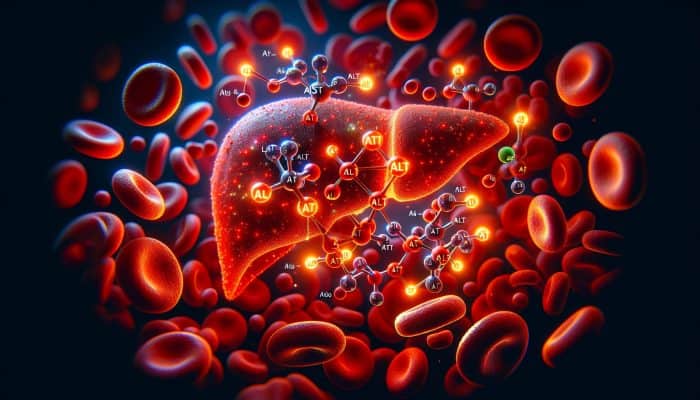
Can Alcohol Cause High Liver Enzymes: Liver enzymes, particularly alanine aminotransferase (ALT) and aspartate aminotransferase (AST), are vital components in numerous metabolic processes occurring within the liver. These enzymes are regularly assessed through blood tests, which evaluate liver health and functionality, serving as crucial indicators of potential health concerns arising from various lifestyle choices, especially alcohol consumption. According to NHS guidelines, elevated levels of these enzymes may signify underlying liver damage, prompting the need for further investigation and possible intervention to prevent serious health complications.
What Are the Various Causes of Elevated Liver Enzymes Aside from Alcohol Intake?
While the consumption of alcohol is a significant contributor to elevated liver enzyme levels, numerous other factors also play a crucial role. In the UK, dietary habits, especially the intake of high-fat meals, specific medications, and pre-existing health conditions can lead to increased enzyme levels. For example, medications such as acetaminophen and statins can negatively affect liver function, resulting in heightened enzyme readings. Understanding these contributing factors is essential for anyone concerned about their liver health, particularly when assessing their alcohol consumption and lifestyle choices.
What Symptoms Should You Observe in Daily Life That May Suggest Liver Problems?
Identifying the early warning signs of elevated liver enzymes is vital for ensuring timely medical intervention. Common symptoms may encompass persistent fatigue, unexplained weight loss, or a general sense of malaise. General practitioners across the UK advocate for preventive actions, such as regular health check-ups and adhering to a balanced diet. Such practices can significantly reduce the risk of liver enzyme elevation and enhance overall health and well-being.
How Does Alcohol Consumption Directly Affect Liver Enzyme Levels?
What Mechanisms Link Alcohol Consumption to Alterations in Enzyme Levels?
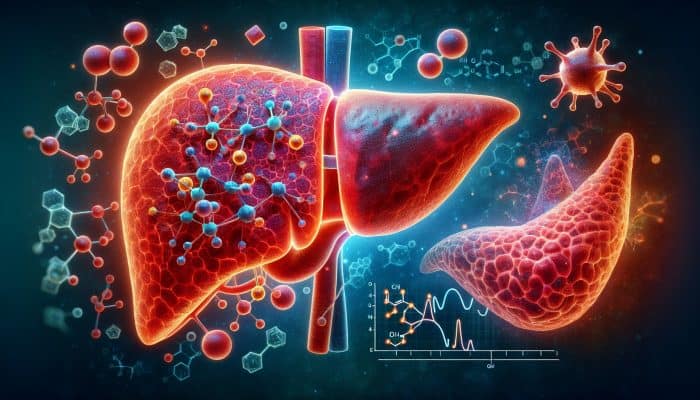
Alcohol consumption can significantly influence liver enzyme levels through various physiological mechanisms. Regular intake of alcohol may lead to conditions such as fatty liver disease, characterised by the accumulation of excess fat within the liver, which results in elevated levels of ALT and AST. Additionally, the metabolism of alcohol generates toxic by-products, including acetaldehyde, which can inflict damage on liver cells, further intensifying enzyme elevation and potentially resulting in severe liver conditions.
What Factors Affect How Alcohol Impacts Liver Health?
Several essential factors can determine the extent to which alcohol affects liver enzymes in individuals. These include:
- Drinking patterns: The distinction between binge drinking and moderate alcohol consumption can produce varying effects on liver health.
- Genetic predisposition: A family history of liver disease may heighten individual risk.
- Age: As individuals age, liver function often diminishes.
- Gender: Women may possess a higher susceptibility to alcohol-related liver damage.
- Diet: Nutritional status and overall health can significantly influence liver resilience.
In the UK, comprehending these variables is crucial, as they can inform personal drinking habits and health strategies tailored to each individual’s needs.
What Are the Long-Term Implications of Moderate Alcohol Consumption on Liver Health?
Even moderate alcohol consumption can have enduring implications for liver health. Research suggests that consistent drinking, even within recommended guidelines, may lead to gradual changes in enzyme levels over time. This highlights the critical importance of regular monitoring, particularly for individuals with additional risk factors such as obesity or diabetes. Ongoing consultations with healthcare providers can offer tailored advice to protect liver health and avert potential complications.
What Indicators Reveal Changes in Liver Enzymes Related to Alcohol Consumption?
Elevated liver enzymes typically act as indicators of alcohol-related liver damage. Common symptoms in the UK include fatigue, abdominal discomfort, and jaundice. Diagnostic evaluations usually assess ALT and AST levels, providing essential insights into liver function. Individuals should seek prompt medical evaluation if they experience these symptoms, as early intervention can prevent the progression to more severe liver conditions.
What Strategies Can Effectively Mitigate Alcohol’s Impact on Liver Enzymes?
Moderating alcohol intake can significantly aid in maintaining healthy liver enzyme levels. Recommended strategies for individuals in the UK include adopting a balanced diet rich in fruits and vegetables, engaging in regular physical activity, and utilising support services such as Drinkline for guidance on reducing alcohol consumption. By adhering to national health guidelines, individuals can enhance their liver health and lower the risk of enzyme elevation, ultimately improving their overall quality of life.
Expert Perspectives on the Relationship Between Alcohol and Elevated Liver Enzyme Levels
What Do Experts Recommend Regarding the Risks of Alcohol-Related Enzyme Elevation?
Experts in the UK highlight that excessive alcohol consumption can lead to substantially elevated liver enzyme levels, which serve as clear indicators of the potential for developing liver disease. Healthcare professionals advocate for early intervention strategies, including routine liver function tests and lifestyle modifications to mitigate these risks. For individuals who regularly consume alcohol, it is advisable to contemplate reducing intake and closely monitoring their health for early signs of liver issues.
What Are the Significant Findings from Research Conducted in the UK?
Research conducted in the UK consistently demonstrates a robust correlation between alcohol consumption and elevated liver enzyme levels. Case studies reveal that individuals who consciously limit their alcohol intake experience significant improvements in liver function test results. Health professionals advocate practical measures to mitigate risks, such as adopting a healthier lifestyle and seeking support for alcohol-related issues.
What Are the Public Health Implications Regarding Alcohol and Liver Health?
Public health initiatives in the UK increasingly focus on the implications of alcohol consumption on liver health. Programmes led by reputable organisations, including the NHS, aim to enhance public awareness about responsible drinking and the necessity of regular health assessments. Educational campaigns are designed to inform communities about the risks associated with excessive alcohol consumption, thereby promoting healthier lifestyle choices that nurture liver health.
Research-Driven Advantages of Addressing Elevated Liver Enzyme Levels Associated with Alcohol
What Evidence Do UK Studies Offer Regarding Enzyme Elevation Linked to Alcohol?
Local studies in the UK provide compelling evidence connecting alcohol consumption with increased liver enzyme levels. These findings underscore the urgent need for preventive measures that align with typical lifestyles in the UK, such as reducing alcohol intake, improving dietary habits, and enhancing physical activity. By implementing these strategies, individuals can significantly lower their risk of developing complications related to liver health.
How Can Individuals Accurately Understand Their Liver Test Results?
Accurately interpreting liver enzyme tests necessitates a nuanced understanding of various factors influencing enzyme levels. In the UK, standard diagnostic procedures encompass measuring ALT and AST levels, alongside tests for bilirubin and alkaline phosphatase. Engaging in detailed discussions with healthcare professionals can assist individuals in comprehending their test results and understanding the implications of alcohol consumption on their liver health.
- Review recent alcohol consumption to assess its impact on enzyme levels.
- Consider overall health status and any pre-existing medical conditions that may affect liver function.
- Discuss family history of liver disease to identify potential genetic risks.
- Follow recommended testing schedules to ensure consistent monitoring of liver health.
Understanding these results equips individuals with a clearer perspective on their liver health and informs necessary lifestyle adjustments to foster optimal liver function.
What Strategies Are Effective for Recovery and Monitoring Following Alcohol Exposure?
Research-supported approaches in the UK underscore the importance of recovery strategies for managing liver enzyme levels after alcohol exposure. These strategies encompass regular follow-ups with healthcare providers, adopting a liver-friendly diet, and engaging in consistent physical activity. A commitment to these practices is vital for long-term health maintenance, fostering overall well-being and mitigating the risk of serious liver issues.
Reliable Support Strategies for Managing Elevated Liver Enzymes
What Support Options Exist in the UK for Improving Liver Health?
A multitude of support options is available in the UK for individuals confronting liver health challenges stemming from alcohol consumption. Community-based programmes offer valuable resources and support for those striving to enhance their liver health. These initiatives often feature workshops, counselling sessions, and health education specifically aimed at addressing issues related to elevated liver enzymes associated with alcohol use.
How Can Lifestyle Adjustments Help Prevent Enzyme Elevations?
Implementing practical lifestyle adjustments can significantly mitigate the adverse effects of alcohol on liver enzymes. Key strategies endorsed by national health guidelines include maintaining a healthy weight, moderating alcohol intake, consuming a balanced diet, and engaging in regular physical exercise. These habits not only support liver health but also contribute to enhanced overall physical and mental well-being.
Why Is Timely Intervention Crucial for Individuals at Risk?
Timely interventions are critical for individuals at risk of elevated liver enzymes due to alcohol consumption. Early detection can aid in preventing the progression of liver disease and its associated complications. Healthcare experts recommend routine screenings for at-risk populations, emphasising the importance of proactive health management strategies to mitigate the risk of liver damage.
What Symptoms Suggest High Liver Enzymes Due to Alcohol Consumption?
What Common Physical Symptoms Should You Be Aware Of?
Common symptoms associated with alcohol-induced liver enzyme elevation encompass persistent fatigue, abdominal discomfort, and jaundice. In the UK, patients frequently report these symptoms during medical consultations, highlighting the necessity of early recognition. Staying vigilant regarding these signs can facilitate timely medical intervention and significantly improve health outcomes.
How Do Symptoms Vary Based on Individual Characteristics?
Symptoms related to elevated liver enzymes from alcohol can vary widely among individuals, influenced by factors such as age, gender, and overall health. Younger individuals may encounter milder symptoms, while older adults may experience more pronounced effects. It is essential for individuals to seek medical assistance if they notice any changes in their health or experience symptoms indicative of liver issues.
When Should You Seek Immediate Medical Attention?
Recognising urgent symptoms that necessitate medical consultation is crucial. Individuals should seek immediate medical attention if they experience severe abdominal pain, persistent vomiting, or significant jaundice. Furthermore, any sudden changes in energy levels or overall health should be treated seriously. Healthcare professionals stress the importance of acting promptly to address potential enzyme elevation and prevent further complications.
- Severe abdominal pain
- Continuous fatigue
- Significant jaundice
- Persistent vomiting
Why Is It Essential to Consistently Monitor Liver Health?
What Role Do Regular Check-Ups Play in Sustaining Liver Health?
Regular health check-ups are vital for monitoring the impact of alcohol on liver enzymes. In the UK, healthcare professionals advocate for routine blood tests to evaluate liver function, enabling early detection and intervention for potential issues. Such proactive measures significantly enhance the likelihood of maintaining good liver health over time.
What Are the Consequences of Ignoring Early Warning Signs?
Failing to recognise early warning signs of elevated liver enzymes can lead to serious repercussions in the UK. Overlooking these indicators heightens the risk of developing chronic liver conditions, which can escalate if not promptly addressed. Individuals who disregard symptoms may progress to severe liver diseases, highlighting the critical need for regular monitoring and medical consultation.
What Are the Long-Term Advantages of Proactive Health Measures?
Engaging in proactive health measures yields long-term benefits in managing liver health. Individuals who commit to regular monitoring and lifestyle modifications can significantly reduce their risk of developing liver-related complications. Sustained vigilance fosters a healthier liver and promotes overall well-being, ultimately enhancing quality of life.
What Resources Are Accessible for Monitoring Liver Health in the UK?
The NHS provides a comprehensive array of resources for monitoring liver health, particularly concerning risks associated with alcohol consumption. These resources include online tools for tracking enzyme levels, community support groups for individuals facing liver challenges, and educational materials that encourage healthier lifestyle choices. By utilising these resources, individuals can facilitate better liver function and overall health.
How to Effectively Prevent High Liver Enzyme Levels in the UK
What Practical Prevention Methods Can Be Integrated into Daily Life?
Incorporating effective prevention methods into daily routines can significantly mitigate the risk of alcohol-induced enzyme elevation. UK-specific strategies include adopting a diet low in saturated fats, engaging in regular exercise, and limiting alcohol consumption to recommended levels. These proactive approaches empower individuals to take control of their liver health and improve their overall quality of life.
What Is the Influence of National Guidelines on Public Health Practices?
National guidelines play a pivotal role in shaping public practices aimed at preventing high liver enzymes due to alcohol. The NHS provides clear recommendations regarding safe drinking limits and healthy lifestyle choices. Adhering to these guidelines can substantially decrease the risk of liver damage, fostering better overall health and well-being.
How Can You Establish Sustainable Health Routines?
Establishing long-term health routines is imperative to avoid alcohol-related enzyme issues. A sustainable health plan encompasses regular physical activity, balanced nutrition, and seeking support when necessary. Motivational strategies, such as setting achievable goals and tracking progress, can further enhance adherence to these healthy routines.
Frequently Asked Questions
Can Alcohol Consumption Lead to Elevated Liver Enzymes?
Yes, alcohol consumption can significantly elevate liver enzymes, indicating potential liver damage, particularly with excessive or prolonged use.
What Are the Main Liver Enzymes Affected by Alcohol?
The primary liver enzymes impacted by alcohol are alanine aminotransferase (ALT) and aspartate aminotransferase (AST).
How Can I Monitor My Liver Health Effectively?
Monitoring liver health typically involves regular blood tests to assess enzyme levels, along with routine check-ups with a healthcare provider for comprehensive evaluation.
What Lifestyle Changes Can Help Lower Liver Enzyme Levels?
Lifestyle changes include reducing alcohol intake, maintaining a balanced diet, exercising regularly, and effectively managing stress.
What Symptoms Should I Be Aware Of That Indicate High Liver Enzymes?
Symptoms associated with elevated liver enzymes include fatigue, yellowing of the skin or eyes (jaundice), abdominal pain, and unexplained weight loss.
How Does Diet Influence Liver Enzyme Levels?
A nutritious diet rich in fruits, vegetables, and whole grains can support liver health and help maintain normal enzyme levels, whereas high-fat or high-sugar diets may elevate them.
When Should I Seek Medical Advice Regarding Liver Health?
Seek medical advice promptly if you experience symptoms such as severe abdominal pain, persistent fatigue, or jaundice, or if you have concerns regarding alcohol consumption.
Are Community Resources Available for Liver Health Support?
Yes, the UK provides numerous community resources, including support groups and educational programmes that promote liver health and help individuals manage their alcohol consumption effectively.
What Role Does Genetics Play in Liver Enzyme Elevation?
Genetics can significantly influence liver function and the body's ability to metabolise alcohol, affecting individual susceptibility to liver enzyme elevation and related diseases.
Can Reducing Alcohol Intake Reverse Elevated Liver Enzymes?
Yes, reducing or eliminating alcohol intake can help lower elevated liver enzymes and enhance overall liver health over time.
Connect with us on Facebook!
This Article Was First Found On https://bloodtest.co.uk
The Article Alcohol and High Liver Enzymes: Impact on Your Health Was Found On https://limitsofstrategy.com