Master the Essential Principles of Successful Community Building
Uncover the Key Elements That Foster Community Engagement
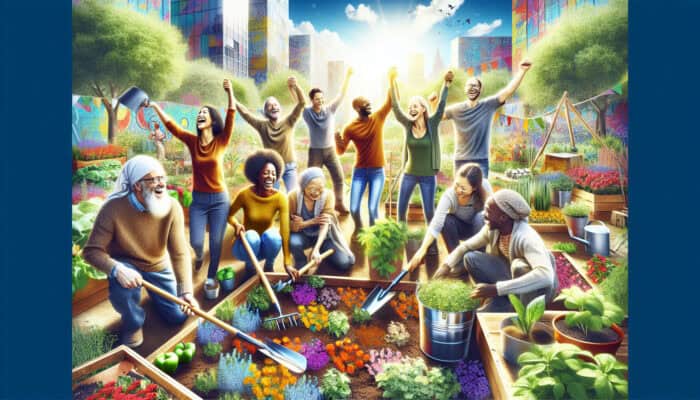
At its core, community building focuses on creating shared interests and nurturing meaningful interactions among individuals. These interactions are essential for developing a profound sense of belonging, observable in various contexts, from local neighbourhoods to online communities. For example, community gardens around the globe illustrate this concept, where individuals unite not just to cultivate plants, but also to forge significant relationships, fostering collaboration and mutual support in urban settings. This cooperative endeavour strengthens social ties and cultivates a nurturing environment, significantly enhancing the quality of life for all participants involved.
What Drives Individuals to Engage in Community Activities?
Engagement in community initiatives depends on numerous factors, with motivation and accessibility being particularly influential. When community members harbour a genuine interest in activities and find them easily accessible, their levels of participation can soar. Take online forums as an example; the convenience of digital access serves as a compelling motivator for participation among individuals worldwide, igniting vibrant discussions that transcend geographical boundaries. This accessibility nurtures a culture of inclusion and champions diverse voices, ultimately enriching the community experience for all involved.
Explore the Advantages of Active Participation in Your Community
Being actively involved in community initiatives yields a myriad of benefits, significantly enhancing personal relationships while facilitating individual growth. When individuals partake in community activities, they typically establish stronger networks and experience improved well-being, closely tied to their levels of engagement. The primary advantages of such active participation encompass:
- Enhanced social connections
- Increased emotional support
- Improved communication skills
- Greater sense of purpose
- Access to diverse perspectives
- Opportunities for leadership development
These advantages highlight how community engagement plays a crucial role in fostering both personal and collective development, thereby creating a more cohesive and supportive environment for all members involved.
What Are the Common Challenges Faced in Community Building?

Building a resilient community frequently presents various challenges. Common barriers include insufficient inclusivity, resource limitations, and interpersonal conflicts. Addressing these issues is crucial for creating strong communities that can thrive over time. For instance, promoting inclusivity might involve launching targeted outreach programmes aimed at underrepresented groups, ensuring that diverse voices are not only acknowledged but actively engaged. Furthermore, effective resource allocation can be enhanced through strategic partnerships with local organisations, paving the way for shared resources and mutual support that reinforce the community's foundation.
Implement Proven Strategies to Foster Community Development
To cultivate vibrant and flourishing communities, employing effective strategies is paramount. Organising engaging events and promoting open communication are fundamental approaches that can lead to significant outcomes. For instance, hosting regular community meet-ups encourages interaction and strengthens bonds among members while also providing opportunities for sharing ideas and resources. Moreover, embracing flexibility and innovation is critical, empowering communities to adapt to changing needs and ensuring long-term success and relevance in an ever-evolving landscape.
How Does the Community Building Process Unfold?
Comprehend the Key Stages of Community Development

The process of community building unfolds through several essential stages, beginning with the establishment of initial connections and advancing towards sustained interactions. Initially, individuals come together based on shared interests or goals, often facilitated by social platforms or community-led initiatives. Over time, these connections deepen, evolving into lasting relationships that form the backbone of a vibrant and thriving community. This evolution is critical for fostering a supportive atmosphere where all members can flourish and contribute meaningfully.
Why Is Consistency Critical for Sustaining Community Engagement?
Consistency plays a vital role in maintaining engagement within a community. Regular interactions help build trust and create a dynamic environment, ensuring that members feel valued and connected. For example, communities that organise weekly events often observe higher attendance rates, as members eagerly anticipate these gatherings and the social interactions they facilitate. This consistency not only reinforces bonds among members but also nurtures a culture of participation that encourages ongoing involvement and commitment to community initiatives.
How Can You Effectively Assess Progress in Community Initiatives?
Evaluating the progress of community initiatives is essential for gauging their success and impact. Implementing strategies such as feedback loops and establishing clear milestones enables community leaders to measure the effectiveness of their efforts. For instance, conducting surveys can provide valuable insights into member satisfaction, highlighting areas for improvement and adaptation. By consistently reviewing their initiatives, communities can evolve and grow effectively over time, ensuring they meet the needs and expectations of their members.
Why Are Events Vital for Strengthening Community Connections?
Organised events are instrumental in cultivating connections among community members. These gatherings create opportunities for shared experiences, which are essential for establishing strong bonds. From cultural festivals to local workshops, these events encourage active participation, enhance engagement, and contribute to ongoing community development and success. For example, a community art fair can serve as a platform to showcase local talent while simultaneously creating networking opportunities for artists and art enthusiasts alike, thereby enriching the overall community experience.
What Strategies Can Help Overcome Common Community Building Challenges?
Addressing obstacles such as low engagement and interpersonal conflicts is critical for maintaining a positive community atmosphere. Proactive measures can include establishing clear communication channels and implementing effective conflict resolution strategies. For example, creating community forums where members can voice concerns and propose solutions nurtures a sense of ownership and accountability, ultimately leading to sustainable growth in community initiatives. By prioritising open dialogue and collaboration, communities can navigate challenges and emerge even stronger.
Gain Expert Insights to Enhance Community Building and Global Human Values
Advanced Techniques to Amplify Community Development
To significantly bolster community building efforts, utilising advanced techniques is essential. Optimising interactions through well-structured communication pathways can yield more effective outcomes. For instance, employing digital tools like community management platforms can streamline communication, facilitate event planning, and promote collaboration among members. This ultimately leads to a more engaged and active community, as individuals can easily connect, share ideas, and partake in initiatives that resonate with their interests and values.
How to Identify and Navigate Common Challenges in Community Building?
Successfully navigating the common challenges encountered in community building requires a strategic and thoughtful approach. Issues like miscommunication and varying levels of member engagement can obstruct progress and cohesion. Practical solutions to these challenges may include:
- Conducting regular check-ins to assess member sentiments
- Establishing mentorship programmes to support new members
- Creating inclusive decision-making processes
- Utilising surveys to gather feedback on community initiatives
Implementing these strategies fosters an environment where all voices are heard and valued, ultimately enhancing overall community cohesion and effectiveness.
Core Principles for Achieving Success in Community Building
Effective community building relies on several fundamental principles. Trust and transparency are crucial, as they create an environment where members feel secure and appreciated. Additionally, fostering inclusivity ensures that diverse perspectives are acknowledged and valued, leading to richer discussions and more innovative solutions. Finally, maintaining a focus on shared goals helps align community efforts, driving sustainable growth and engagement that benefits every member involved.
Research-Backed Advantages of Community Building for Global Human Values
Explore the Evidence-Based Benefits of Community Engagement
Research indicates that effective community building results in numerous positive impacts, including enhanced resilience and cooperation among members. These benefits manifest in various forms, such as improved mental health outcomes and stronger support networks. For instance, studies reveal that individuals engaged in community activities are less likely to experience feelings of isolation, underscoring the significance of communal ties in promoting well-being and a sense of connection with others.
How Can You Leverage These Gains for Maximum Impact?
Maximising the benefits of community engagement requires strategic application and thoughtful planning. Communities can effectively leverage these gains by focusing on established approaches, such as developing programmes that encourage participation and acknowledging individual contributions. For example, highlighting members’ achievements in newsletters can significantly boost morale and motivate increased involvement, fostering a culture of appreciation and support within the community.
What Are the Long-Term Effects of Community Building That You Should Consider?
Considering the long-term effects of community building is essential for sustainable development. Over time, lasting networks often evolve into powerful support systems that benefit both individuals and the broader community. As relationships strengthen and deepen, they contribute to a more cohesive and resilient social fabric, enabling communities to tackle challenges more effectively and ensuring a lasting positive impact.
Gain Cross-Cultural Insights into Community Building Dynamics
Research from diverse cultural contexts offers valuable insights into the advantages of community building concerning global human values. Understanding how different cultural backgrounds influence community dynamics can enhance outcomes like social harmony and innovation. For instance, collectivist cultures often prioritise communal decision-making, resulting in more inclusive and representative community structures. By acknowledging these cultural differences, community builders can tailor their approaches to achieve optimal results and foster greater engagement.
Address Challenges and Implement Solutions for Sustaining Communities
Maintaining community structures presents its own set of research-backed challenges. Fragmentation can occur as communities expand, making it difficult to keep members engaged and connected. Evidence-based strategies for overcoming these challenges include regular outreach and implementing collaborative projects that bridge gaps between different subgroups. By fostering connections across diverse segments, communities can enhance unity and ensure lasting positive impacts on global human values and interactions.
What Are the Key Strategies for Successful Community Development?
Identify Effective Methods for Engaging Your Community
Identifying effective methods for community development involves exploring proven approaches that actively promote engagement and participation. Techniques such as leveraging social media for outreach, conducting regular community assessments, and utilising technology for event organisation are instrumental. For instance, employing platforms like Meetup or Eventbrite can facilitate easy access to community gatherings, encouraging broader participation without geographical constraints, thereby enriching the overall community experience.
What Role Does Communication Play in Effective Community Building?
Clear and effective communication is vital for nurturing connections within a community. Engaging exchanges support overall participation and engagement, ensuring that members remain informed and involved in community activities. For example, utilising newsletters, social media updates, and community boards significantly enhances transparency and helps members stay connected to ongoing initiatives, thereby reinforcing the sense of belonging and commitment.
How to Adapt to the Evolving Needs of Your Community?
Flexibility in strategies is crucial for addressing the changing dynamics of communities. As member interests and societal conditions shift over time, communities must remain responsive to these changes. This adaptability can involve regularly soliciting feedback from members and adjusting programming accordingly to meet their needs. For example, if members express a desire for digital engagement, communities can pivot to virtual events, ensuring continued connectivity and relevance in an increasingly digital landscape.
Ensure Long-Term Success in Sustaining Community Engagement
How to Maintain Momentum in Community Initiatives?
Keeping active participation within a community requires proactive and intentional strategies. Establishing routines, such as regular meet-ups or ongoing projects, is crucial for preventing declines in engagement. Communities can also motivate participation through member recognition initiatives, celebrating contributions and achievements to sustain enthusiasm and momentum. This recognition fosters a culture of appreciation that encourages members to remain actively involved and invested in the community's success.
Why Is Monitoring Community Engagement So Crucial?
Ongoing monitoring is essential for identifying issues early and ensuring communities thrive in the long run. Regular oversight allows leaders to assess engagement levels and proactively address potential problems before they escalate. Tools such as participation tracking and satisfaction surveys can provide valuable insights, enabling communities to continually refine their approaches and ensure they are meeting the needs and expectations of their members.
What Future Trends Should Community Leaders Be Aware Of?
Emerging trends can significantly influence community engagement in the years to come. Trends such as heightened digital connectivity and an increasing focus on social justice issues may shape how communities operate and interact. Staying attuned to these developments allows leaders to adapt and innovate, ensuring that their communities remain vibrant, relevant, and responsive to the needs of their members.
How to Form Strategic Partnerships for Sustainable Community Engagement?
Building alliances with external organisations can greatly enhance the sustainability of community engagement initiatives. Collaborating with local businesses, educational institutions, and non-profits opens opportunities for shared resources and mutual benefits. For instance, partnering with a local school for community service projects can provide invaluable support while fostering a sense of shared purpose and investment in the community's success. These partnerships contribute to a more interconnected community capable of effectively addressing challenges and seizing opportunities.
Frequently Asked Questions About Community Building
What is the meaning of community building?
Community building refers to the process of establishing and nurturing relationships among individuals who share common interests or objectives, fostering collaboration, support, and a deep sense of belonging.
How can I become involved in my local community?
Getting involved can start with participating in local events, joining community organisations, or volunteering for initiatives that resonate with your interests and values. Engaging in these activities is an excellent way to connect with others and make a positive contribution.
What advantages come from participating in community initiatives?
The benefits of community engagement include enhanced social connections, improved emotional support, greater access to diverse perspectives, and numerous opportunities for personal growth and leadership development that contribute to overall well-being.
In what ways can technology assist in community building?
Technology can facilitate communication and organisation, enabling easier connections among members while providing platforms for sharing resources, information, and collaborative opportunities that strengthen community ties.
What common challenges do communities face in building cohesion?
Challenges may include a lack of inclusivity, resource constraints, low engagement levels, and interpersonal conflicts that can hinder community cohesion and the overall success of initiatives.
How can I foster inclusivity within my community?
Promoting inclusivity involves actively reaching out to underrepresented groups, ensuring their voices are heard, and creating opportunities for diverse participation in community initiatives that reflect the community's values and goals.
What role do events play in cultivating community connections?
Events create opportunities for shared experiences, which are crucial for fostering connections and engagement among members. These gatherings are vital for strengthening community bonds and enhancing the overall sense of belonging.
How do I evaluate the success of community engagement initiatives?
Success can be measured through feedback loops, participation rates, and member satisfaction surveys that allow communities to assess the impact of their initiatives and make necessary adjustments for improvement.
What strategies are effective for sustaining community engagement over time?
Effective strategies include establishing routines, recognising member contributions, providing regular updates, and adapting to changing needs to keep participation active and meaningful within the community.
Why is collaboration vital for the sustainability of community initiatives?
Collaboration enhances resource sharing, mutual support, and alignment of shared goals, contributing to the long-term viability and overall success of community initiatives.
Explore our YouTube channel today for additional insights and resources!
The Article Community Building Among Global Human Vas: Key Approaches First Published On: https://vagods.co.uk
The Article Global Human Vas: Effective Strategies for Community Building Was Found On https://limitsofstrategy.com