Your Comprehensive Guide to Understanding Cholesterol Blood Tests
Discover the Importance of Cholesterol Blood Testing for Your Health
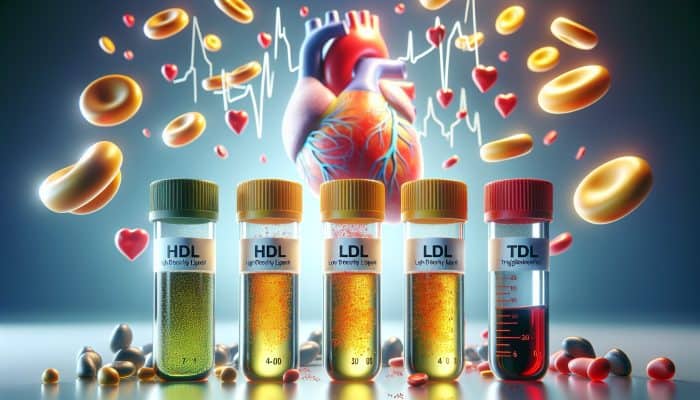
The Cholesterol Blood Test in Oakham serves as a vital diagnostic tool that assesses the levels of different types of cholesterol and triglycerides circulating in your bloodstream. This essential test specifically quantifies the amounts of High-Density Lipoprotein (HDL), which is often termed as ‘good’ cholesterol, and Low-Density Lipoprotein (LDL), commonly known as ‘bad’ cholesterol, in addition to measuring triglycerides, a type of fat that is present in the blood. Comprehending these cholesterol levels is crucial, as they play a significant role in determining your risk for severe cardiovascular issues, including heart attacks and strokes. Equipped with this information, healthcare professionals can develop tailored strategies aimed at enhancing your cardiovascular health and overall wellness.
Cholesterol assessments are frequently performed during regular health check-ups or when individuals display risk factors linked to heart disease. Such risk factors include a familial history of heart conditions, obesity, a lack of physical activity, unhealthy eating habits, and tobacco use. The results obtained from these cholesterol assessments can yield insightful information regarding your overall health and can inform essential lifestyle modifications or interventions that are necessary for improving health outcomes and preventing future complications.
How Frequently Should You Monitor Your Cholesterol Levels?
The recommended frequency for cholesterol testing is primarily influenced by your age, overall health status, and any genetic predispositions to heart disease. Generally speaking, it is advised that adults aged 40 and above should have their cholesterol levels monitored every five years. However, individuals who possess certain risk factors, such as obesity, diabetes, or a family history of heart disease, might require more frequent evaluations to ensure their health is closely monitored. Engaging in a conversation with your GP is essential, as they can help determine the most appropriate testing intervals based on your unique health profile and risks.
Moreover, if you have previously been diagnosed with elevated cholesterol levels or are currently undergoing treatment to manage your cholesterol, more regular testing may be necessary. Your healthcare provider will likely recommend a monitoring schedule that facilitates effective tracking of your progress and enables timely adjustments to your treatment strategy, ensuring optimal management of your cholesterol levels.
Are There Audio Resources Available on Cholesterol Testing?
 Essential Preparation Steps for Your Cholesterol Blood Test
Proper preparation for a cholesterol blood test is critical for obtaining accurate and reliable results, and it is often necessary to fast for 9 to 12 hours prior to the test. This fasting period guarantees that your cholesterol levels are evaluated without the immediate influence of recent food intake. Your healthcare provider will provide you with specific directives regarding whether fasting is necessary for your particular test and circumstances.
In addition to fasting, it is essential to communicate with your doctor about any medications or supplements you are currently taking, as certain drugs can influence cholesterol levels. Your healthcare provider may advise you to avoid specific medications before your test to ensure accurate results. Staying well-hydrated by consuming water before the test can also help improve the reliability of your results. Thorough preparation can lead to more dependable test outcomes, allowing your doctor to make well-informed recommendations regarding your health.
Decoding Your Cholesterol Test Results: What You Need to Know
Understanding your cholesterol test results is paramount for effectively managing your cardiovascular health. After the test, your healthcare provider will assess the levels of HDL, LDL, and triglycerides present in your blood. Generally, a desirable HDL level is above 1.0 mmol/L for men and above 1.3 mmol/L for women, while LDL levels should ideally remain below 3.0 mmol/L. Furthermore, triglyceride levels should not exceed 1.7 mmol/L for optimal health.
Your healthcare professional will elucidate what these numbers signify in relation to your overall health status and may recommend lifestyle changes or medications if your levels deviate from the recommended ranges. Grasping these results is essential, as they can suggest potential risks for cardiovascular complications and guide you towards making healthier lifestyle choices. Based on your findings, your doctor will outline the necessary subsequent steps, fostering a proactive approach to preserving your heart health.
Effective Lifestyle Modifications to Enhance Your Cholesterol Levels
Implementing informed lifestyle changes can significantly improve your cholesterol levels and overall heart health. One of the most effective strategies involves adopting a heart-healthy diet that is abundant in fruits, vegetables, whole grains, and healthy fats, while minimizing the intake of saturated and trans fats. Regular physical activity is another crucial component; aim for a minimum of 150 minutes of moderate-intensity exercise each week.
- Increase your intake of fruits, vegetables, and whole grains for better nutrition.
- Choose lean protein sources such as fish, chicken, and legumes to support heart health.
- Limit saturated fats by cutting back on red meat and full-fat dairy products.
- Avoid trans fats that are commonly found in many processed foods.
- Boost your activity levels through regular exercise or active hobbies.
- Maintain a healthy weight to help manage your cholesterol levels effectively, and consider quitting smoking if applicable.
- Stay hydrated and manage your stress levels to promote overall well-being.
By adopting these lifestyle changes, you can lower your LDL cholesterol while simultaneously increasing HDL levels, which leads to improved cardiovascular health. Collaborating with a dietitian or nutritionist can provide you with additional insights into refining your dietary strategies, ensuring effective cholesterol management.
Where to Access Cholesterol Blood Testing Services in Oakham?
Local GP Practices Providing Cholesterol Testing Services

Residents of Oakham can conveniently access cholesterol blood testing services through a variety of local GP practices. Many of these clinics provide comprehensive health screenings, which incorporate cholesterol testing as part of their preventive care services. If you intend to schedule an appointment, it is advisable to directly contact your local practice to inquire about availability, procedures, and any required preparations.
Some prominent local GP surgeries that offer cholesterol testing in Oakham include:
- Oakham Health Centre
- Catmose Surgery
- Rutland Medical Practice
- Willowbrook Surgery
- Uppingham Surgery
These facilities are well-respected within the community and staffed with qualified healthcare professionals who can guide you through the testing procedure, clarify the results, and recommend appropriate subsequent steps for managing your cholesterol levels effectively.
Private Clinics in Oakham for Prompt Cholesterol Testing
For individuals seeking quicker results or additional health assessments, private clinics in Oakham provide cholesterol testing services. These clinics generally offer a more streamlined process, boasting the advantage of shorter waiting times compared to NHS facilities. In many instances, private clinics also feature additional services such as comprehensive health screenings, promoting a holistic approach to your health management.
When selecting a private clinic for your cholesterol test, it is prudent to verify their credentials, the services they offer, and any available patient reviews. This diligence will ensure that you choose a reliable provider that aligns with your specific health needs. It may also be beneficial to contact the clinic directly for detailed insights regarding their testing procedures, costs, and whether advance appointments are necessary.
Understanding the Typical Costs for Private Cholesterol Testing
The cost of private cholesterol testing in Oakham can vary significantly based on the clinic and the specific services included in the testing package. Basic cholesterol tests may range from £40 to £100, while more comprehensive health packages that encompass cholesterol testing alongside additional assessments can start from £200. It is essential to inquire about what each package includes, as some may provide more extensive testing or follow-up consultations.
Numerous private clinics maintain competitive pricing structures and often ensure transparency regarding costs, eliminating any hidden fees. If you are contemplating private testing, it is wise to compare offerings from various clinics to determine the best option for your healthcare requirements. Ultimately, investing in your health through private testing can facilitate timely interventions and significantly improve health outcomes.
Pharmacies Offering Cholesterol Testing Services
In addition to GP practices and private clinics, select pharmacies in Oakham are now providing cholesterol testing services. These pharmacy-based tests are typically convenient and can be conducted without the necessity of a prior appointment, making them an accessible option for many individuals. The tests are usually quick and may utilise finger-prick blood samples, yielding results in a matter of minutes.
If you are interested in this option, it is advisable to consult local pharmacies regarding availability and specific testing procedures. Some pharmacies may offer cholesterol testing as part of a comprehensive health check, which could also include monitoring blood pressure and screening for diabetes. These services provide an excellent opportunity to take control of your heart health without requiring a visit to a doctor.
Expert Perspectives on Cholesterol Blood Testing in Oakham

Healthcare Professionals' Recommendations on Cholesterol Testing
Healthcare professionals strongly advocate for regular cholesterol testing as a fundamental component of a proactive approach to heart health. Recognising that high cholesterol often presents no obvious symptoms, experts stress the importance of knowing your cholesterol levels to mitigate the associated risks of heart disease. Consistent testing fosters early detection and enables necessary lifestyle modifications that can significantly influence health outcomes.
Real-life anecdotes illustrate the benefits of routine cholesterol testing. Patients who engage in regular health check-ups are better positioned to make informed health decisions, frequently resulting in marked improvements in their cholesterol profiles. Numerous success stories exist where individuals have adopted lifestyle changes following their cholesterol tests, such as dietary adjustments and increased physical activity, which have led to reduced cholesterol levels and enhanced well-being.
Such testimonials reinforce the message from healthcare experts: being proactive and involved in your healthcare can lead to meaningful changes and a healthier life.
How to Accurately Interpret Your Cholesterol Test Results
Interpreting cholesterol test results may seem daunting, yet understanding your numbers is crucial for making informed health decisions. A healthcare professional plays a pivotal role in guiding you through your results, helping you comprehend what the figures represent concerning your cardiovascular health. They will elucidate the implications of your HDL, LDL, and triglyceride levels, highlighting any areas of concern and potential actions to take.
For instance, if your LDL cholesterol levels are elevated, your doctor may recommend dietary changes, increased physical activity, or medication to help manage them effectively. Conversely, if your HDL is low, they might suggest lifestyle modifications aimed at increasing your ‘good’ cholesterol levels. Engaging in a thorough discussion with your doctor following your test is essential to ensure you fully understand your results and the best steps to take for your health moving forward.
Next Steps After Receiving Your Cholesterol Test Results
Once you receive your cholesterol test results, the subsequent steps are essential for effectively managing your health. It is crucial to schedule a follow-up appointment with your GP to delve into your results in detail. During this consultation, your doctor will assist you in interpreting the data, addressing any concerns or questions you may have, and collaborating with you to devise a personalized health plan that aligns with your health objectives.
Depending on your results, your doctor may recommend lifestyle modifications, such as dietary adjustments or heightened physical activity, or they may prescribe medications if deemed necessary. Adhering to the recommended plan is vital for managing your cholesterol levels and minimising your risk of cardiovascular complications. Regular follow-up appointments will help ensure that your strategy remains effective and adaptable as your health needs evolve.
The Advantages of Consistent Cholesterol Testing
How Early Detection of Health Risks Can Benefit You
One of the most significant benefits of regular cholesterol testing is its ability to identify health risks associated with elevated cholesterol levels at an early stage. Routine screenings can uncover heightened cholesterol levels before they progress into severe health issues such as heart disease or stroke. By detecting these problems early, healthcare providers can intervene promptly and recommend lifestyle modifications or medications that can substantially lower your risk of cardiovascular complications.
For example, if a patient is found to have high LDL cholesterol during a routine test, they can be guided towards making dietary adjustments, engaging in consistent physical activity, and closely monitoring their cholesterol levels. This proactive approach not only helps prevent the progression of cardiovascular disease but also promotes a culture of health awareness among patients.
How to Effectively Monitor Your Treatment Progress
Regular cholesterol testing is vital for individuals currently undergoing treatment with cholesterol-lowering medications or lifestyle interventions. These tests enable healthcare providers to monitor the effectiveness of prescribed treatments, making necessary adjustments to assist patients in achieving their health targets. For instance, if a patient’s cholesterol levels remain elevated despite ongoing medication, this may prompt a healthcare provider to reassess the treatment plan or consider supplementary interventions.
Monitoring cholesterol levels over time provides a comprehensive overview of a patient’s cardiovascular health, ensuring that any potential issues are promptly addressed. This continuous evaluation significantly enhances the treatment process, empowering patients to remain on track with their health goals.
Effective Lifestyle Changes to Lower Cholesterol
Implementing lifestyle changes can profoundly impact cholesterol levels and overall heart health. To manage and lower cholesterol effectively, consider adopting the following strategies:
- Choose a heart-healthy diet rich in fruits, vegetables, and whole grains for optimal nutrition.
- Incorporate sources of healthy fats, such as avocados, nuts, and olive oil, into your meals.
- Engage in regular physical activity, aiming for at least 150 minutes of moderate exercise each week.
- Maintain a healthy weight through a balanced diet and consistent exercise.
- Quit smoking to improve heart health and elevate HDL levels.
- Limit alcohol intake and consume moderately.
- Monitor and manage stress through relaxation techniques and mindfulness practices.
- Stay informed about your cholesterol levels and consult with healthcare professionals regularly.
By adopting these lifestyle changes, you can significantly improve your cholesterol profile, reduce your risk of heart disease, and enhance your overall health.
Understanding Your Cholesterol Numbers for Enhanced Health Management
Regular cholesterol testing provides you with crucial information regarding your cardiovascular health, empowering you to set and pursue personalized health objectives. Understanding your cholesterol numbers allows you to take a proactive role in your health management and make informed choices in collaboration with your healthcare provider. Recognising what constitutes healthy cholesterol levels helps you establish benchmarks for your health.
A clear understanding of your results not only empowers you to make necessary lifestyle adjustments but also facilitates ongoing monitoring and evaluation of your progress. This awareness fosters accountability and encourages a proactive approach to maintaining optimal heart health. By routinely assessing your cholesterol and acting on the results, you can confidently work towards achieving your wellness goals.
Tailored Health Management Strategies for Effective Cholesterol Control
Frequent cholesterol checks enable the development of personalised health strategies, ensuring better management of overall well-being. Tailored health management acknowledges that each individual is unique, with different risk factors and health profiles. Regular cholesterol testing aids in formulating a comprehensive and adaptive health plan that considers your specific needs and lifestyle.
For instance, if a patient discovers they have elevated cholesterol levels, they can collaborate closely with their GP to create a personalised action plan that may involve dietary changes, exercise recommendations, and, if necessary, medication to manage cholesterol levels. This customised approach fosters a strong partnership between patients and healthcare providers, ultimately leading to improved health outcomes and a better quality of life.
How to Prepare Effectively for Your Cholesterol Blood Test
Is Fasting Required Before Your Cholesterol Test?
In many instances, fasting for 9 to 12 hours prior to your cholesterol blood test is essential for ensuring accurate results. Fasting helps ensure that the measurements reflect your baseline cholesterol levels without the immediate influence of dietary intake. However, it is crucial to consult your healthcare provider to determine if fasting is necessary for your specific test.
Some cholesterol tests may not necessitate fasting, particularly if only total cholesterol levels are being assessed. Your doctor will provide clear instructions based on the type of cholesterol test being conducted, ensuring that you are adequately prepared. Generally, remaining well-hydrated by drinking water during the fasting period is encouraged, as it can facilitate the blood draw.
Which Medications Should You Avoid Prior to Testing?
Certain medications can influence cholesterol levels, making it imperative to inform your doctor of all medications and supplements you are currently taking before your cholesterol test. Some medications, such as steroids or specific diuretics, may affect your cholesterol levels, and your doctor may recommend discontinuing them prior to testing.
Consulting your healthcare provider about any medications you should avoid before your cholesterol test is critical. This discussion will ensure that you receive the most accurate results possible, providing a clearer picture of your cholesterol health. Your doctor will guide you through this process, ensuring that any necessary adjustments are made to your medication regimen before testing.
What to Expect During Your Cholesterol Test?
Undergoing a cholesterol blood test is a straightforward procedure that typically involves a simple blood draw from a vein in your arm. A healthcare professional will utilise a sterile needle to collect a small sample of blood, usually with minimal discomfort. The process is quick and generally takes only a few minutes.
Once your blood is collected, it will be sent to a laboratory for analysis. You may be advised to rest for a brief period following the test, particularly if you feel faint or lightheaded. Most patients find the overall experience to be hassle-free, and the results will be communicated to you promptly. Being aware of what to expect during your cholesterol test can help alleviate any anxiety and ensure a smooth experience.
Research-Backed Benefits of Cholesterol Blood Testing in Oakham
How Does Regular Testing Improve Health Outcomes?
Regular cholesterol testing has been linked to improved health outcomes due to its role in facilitating early intervention and effective management of cholesterol levels. By routinely screening cholesterol levels, healthcare providers can identify potential issues before they escalate into serious health concerns. This proactive approach fosters a culture of awareness and accountability in personal health management.
For patients, actionable steps following testing may include adopting healthier lifestyle choices, maintaining regular follow-ups with healthcare providers, and possibly initiating medication if necessary. This ongoing dialogue with medical professionals ensures that patients stay on track with their health goals and can make informed decisions regarding their treatment plans. Regular testing ultimately leads to enhanced cardiovascular health and reduced risk of complications.
What Research Highlights the Importance of Cholesterol Testing?
Numerous studies have underscored the significance of regular cholesterol testing in preventing cardiovascular diseases. Research indicates that individuals who participate in routine cholesterol screenings are better equipped to identify and manage high cholesterol levels, subsequently lowering their risk for heart disease and stroke. These findings emphasise the critical role that early detection plays in effective health management.
Health organisations advocate for regular screening as a component of comprehensive cardiovascular health strategies, reinforcing the necessity of consistent testing. By understanding the implications of their cholesterol levels, patients can take a proactive approach to their health, which can significantly impact their overall well-being.
Can Regular Testing Help Reduce Healthcare Expenses?
Regular cholesterol testing can lead to decreased healthcare costs by identifying and managing high cholesterol early, thus reducing the necessity for more expensive treatments later on. When patients are aware of their cholesterol levels, they can take appropriate actions to prevent complications, which can often be costly to treat.
By investing in preventive measures, such as cholesterol testing and subsequent lifestyle adjustments, patients can help avoid costly procedures and medications related to heart disease. This proactive approach benefits not only the individual but also alleviates some of the financial burdens on the healthcare system as a whole, promoting a culture of health and prevention.
Dispelling Common Misconceptions About Cholesterol Testing
Is High Cholesterol Always Detrimental?
Contrary to popular belief, not all cholesterol is harmful to your health. In fact, High-Density Lipoprotein (HDL), often referred to as ‘good’ cholesterol, serves a protective function by aiding in the removal of Low-Density Lipoprotein (LDL), or ‘bad’ cholesterol, from the bloodstream. While elevated levels of LDL can contribute to heart disease, high HDL levels are beneficial and associated with a reduced risk of cardiovascular issues.
Understanding the different types of cholesterol and their respective roles is essential for effective health management. Regular testing empowers individuals to maintain a balanced cholesterol profile, ensuring that both HDL and LDL levels remain within healthy ranges.
Is Testing Only Necessary If Symptoms Are Present?
Many individuals mistakenly assume that cholesterol testing is only required when symptoms are evident; however, high cholesterol often lacks noticeable indicators. Regular testing is essential, even for those who feel healthy, as it can unveil hidden risks that could lead to serious health issues if left unaddressed.
Even asymptomatic individuals can have elevated cholesterol levels, making routine screenings a vital component of preventive healthcare. Engaging in regular check-ups fosters a proactive approach to health, empowering individuals to take charge of their well-being.
What Are the Common Myths About Diet and Cholesterol?
Myths surrounding diet and cholesterol can lead to confusion regarding heart-healthy eating. One prevalent misconception is that all fats are harmful; in reality, some fats are beneficial and can improve cholesterol levels. For instance, unsaturated fats found in foods such as avocados, nuts, and olive oil can help raise HDL cholesterol levels while lowering LDL cholesterol levels.
- All fats are detrimental to cholesterol levels.
- High cholesterol only affects those who are overweight.
- Consuming cholesterol-rich foods consistently raises blood cholesterol levels.
- Low-fat diets are the optimal way to manage cholesterol.
- Vegetarian diets guarantee low cholesterol levels.
- Only older adults need to be concerned about cholesterol.
- Cholesterol levels can be managed without any lifestyle changes.
- All processed foods negatively impact cholesterol health.
Understanding these myths can empower individuals to make informed dietary choices that positively impact their cholesterol levels and overall health.
Strategies for Effectively Managing High Cholesterol Following Testing
What Dietary Changes Can Support Cholesterol Management?
Embracing a heart-healthy diet is crucial for effectively managing high cholesterol levels. Concentrate on reducing saturated fats while increasing your intake of fibre-rich foods. Incorporate more fruits, vegetables, and whole grains into your meals to promote better cholesterol management and support overall health.
Consider including sources of healthy fats in your diet, such as avocados, nuts, and fatty fish, which can contribute to improving your cholesterol profile. Additionally, avoiding trans fats—often found in many processed foods—is vital, as they significantly raise LDL cholesterol levels. A balanced and nutritious diet lays the foundation for better cholesterol management and overall well-being.
Should You Discuss Medication Options with Your Healthcare Provider?
If lifestyle changes alone do not effectively lower cholesterol levels, your doctor may recommend medication as part of your treatment plan. Statins, among the most commonly prescribed medications for managing high cholesterol, work to lower LDL levels and reduce the risk of heart disease.
When considering medication options, it is imperative to discuss your concerns and expectations with your healthcare provider. They will evaluate your individual health needs and determine the most suitable course of action, ensuring a comprehensive approach to managing your cholesterol.
What Are the Benefits of Regular Physical Activity?
Engaging in regular exercise is a powerful strategy for managing cholesterol levels and promoting overall heart health. Physical activity can help increase HDL cholesterol while reducing LDL cholesterol levels, contributing to better cardiovascular health. Aim for at least 150 minutes of moderate-intensity exercise each week to reap these benefits.
Incorporating enjoyable activities into your routine will aid you in maintaining your exercise habit. Whether it's walking, cycling, or swimming, finding physical activities that fit your lifestyle can significantly improve your heart health and assist in cholesterol management.
How Can Effective Stress Management Contribute to Cholesterol Control?
Effectively managing stress can also positively influence cholesterol levels and overall cardiovascular health. Chronic stress is linked to elevated cholesterol levels, making it essential to find effective ways to reduce stress to maintain a healthy heart. Techniques such as meditation, yoga, deep breathing exercises, and mindfulness practices can help mitigate stress and its adverse effects on health.
By prioritising stress management alongside dietary and lifestyle changes, individuals can enhance their well-being while supporting lower cholesterol levels. Engaging in activities that promote relaxation and a positive mindset can significantly contribute to maintaining a healthy heart.
Trusted Strategies for Cholesterol Blood Testing in Oakham
How to Choose the Most Appropriate Testing Service?
Selecting a reputable testing service for your cholesterol blood test is crucial for ensuring accurate results and a positive experience. When considering a testing service, seek out clinics with recognised credentials, experienced staff, and favourable patient reviews. This research can provide valuable insights into the quality of care and services you can expect.
Additionally, inquire about the types of tests offered and whether they align with your specific health needs. A credible testing service should provide clear information about procedures, results interpretation, and follow-up consultations. By taking the time to select the right service, you can feel confident in your decision and effectively prioritise your heart health.
What Steps Should You Take After Receiving Your Test Results?
Upon receiving your cholesterol test results, it is vital to schedule a follow-up appointment with your GP. During this consultation, your doctor can assist you in interpreting your results, addressing any questions or concerns you may have, and collaborating with you to formulate a personalised health plan based on your cholesterol levels.
Taking proactive steps following your results is crucial for effectively managing your health. Whether it involves making lifestyle changes, adjusting medication, or implementing a more comprehensive health strategy, remaining engaged in your health management will empower you to achieve your health goals.
How Can You Maintain Proactivity Regarding Your Heart Health?
Maintaining a proactive stance concerning your heart health necessitates regular cholesterol testing, adhering to a balanced diet, engaging in physical activity, and following your healthcare provider’s recommendations. Regular monitoring of your cholesterol levels can inform necessary lifestyle adjustments and ensure that you remain vigilant about your cardiovascular health.
Moreover, fostering open communication with your healthcare team is vital. Regular check-ups facilitate ongoing evaluation of your health status, enabling timely interventions when necessary. By staying engaged in your health management and prioritising preventive care, you will significantly enhance your well-being and cardiovascular health.
Frequently Asked Questions (FAQs)
What is the purpose of a cholesterol blood test?
A cholesterol blood test assesses the levels of various cholesterol types and triglycerides in your blood, helping to determine your risk for heart disease and stroke.
How often should I have my cholesterol levels checked?
Adults aged 40 and older should generally have their cholesterol levels assessed every five years, but individuals with risk factors may need more frequent testing.
Is fasting necessary before my cholesterol test?
Fasting for 9 to 12 hours before the test is often required for accurate results; however, it is advisable to confirm this with your healthcare provider.
What do my cholesterol results indicate?
Your cholesterol results reveal the levels of HDL, LDL, and triglycerides, helping your healthcare provider evaluate your cardiovascular health and associated risk factors.
Can lifestyle changes effectively improve my cholesterol levels?
Yes, adopting a heart-healthy diet, exercising regularly, and maintaining a healthy weight can significantly enhance your cholesterol profile.
Where can I access cholesterol blood testing in Oakham?
You can obtain a cholesterol blood test at local GP surgeries, private clinics, and select pharmacies throughout Oakham.
What are the costs associated with private cholesterol testing?
The cost of private cholesterol testing can vary, typically ranging from £40 to £100, with more comprehensive packages costing upwards of £200.
What should I do if my cholesterol levels are elevated?
If your cholesterol levels are high, consult your healthcare provider to discuss potential lifestyle changes or medications that may be necessary for effective management of your condition.
Is high cholesterol always harmful?
No, not all cholesterol is harmful. HDL is known as ‘good’ cholesterol and aids in removing LDL, the ‘bad’ cholesterol, from your bloodstream.
How can I manage high cholesterol following testing?
After testing, consider making dietary adjustments, engaging in regular exercise, and, if recommended by your healthcare provider, taking medication to effectively manage high cholesterol.
Connect with us on Facebook!
This Article Was First Found On https://bloodtest.co.uk
The Article Cholesterol Blood Test Guide for Better Health in Oakham Was Found On https://limitsofstrategy.com