Discover the Art of Crafting Perfect Dumplings
What Are the Essential Characteristics of the Perfect Dumpling Wrapper?
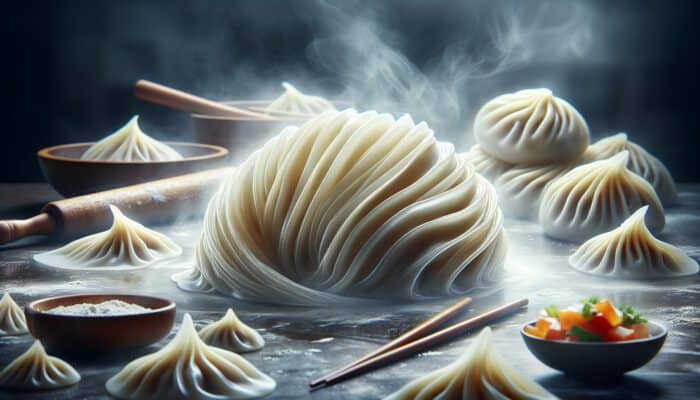
When aiming to create the ideal dumpling wrapper, it is essential to focus on achieving an optimal balance of texture and pliability. A well-crafted wrapper must securely encase the filling throughout the cooking process. By using high-protein wheat flour, you not only enhance the chewiness of the wrapper but also improve the overall dumpling experience. The kneading technique is critical; it develops the elasticity of the dough, ensuring that the wrappers can endure the folding process without tearing. Moreover, the thickness of the wrapper is crucial; it should be thin enough to allow the flavours to meld beautifully yet sturdy enough to prevent bursting while containing the filling. This meticulous attention to detail is vital for producing dumplings that are visually appealing and deliciously satisfying.
What Ingredients Are Fundamental for Creating Tasty Dumpling Fillings?
The filling plays an equally significant role as the wrapper itself in your dumpling masterpiece. Traditional dumpling fillings typically consist of finely minced meats, vegetables, or seafood, creating a delightful fusion of flavours. Popular choices include pork, chicken, or shrimp, complemented by an array of vegetables such as mushrooms, cabbage, and chives. Seasoning is crucial; adding elements like ginger, garlic, soy sauce, and sesame oil infuses the filling with rich, layered flavours. By experimenting with a variety of herbs and spices, you can elevate your filling from the ordinary to the extraordinary, delighting the taste buds of anyone fortunate enough to sample your culinary creations.
How Can You Perfect the Technique of Folding Dumplings?
Mastering the art of folding dumplings is essential for their aesthetic appeal and for ensuring they maintain their shape during cooking. Common folding methods include the pleat technique, where the wrapper is delicately pinched and folded over the filling, and the half-moon shape, which is sealed by crimping the edges together. Applying a small amount of water to the edges before sealing enhances the security of the dumpling and prevents any unsightly leaks during cooking. For instance, traditional Chinese jiaozi often feature multiple pleats as a signature design element. Practising these folding techniques will not only improve the visual charm of your dumplings but also ensure they are well-sealed and ready for cooking, providing an enjoyable eating experience.
What Cooking Techniques Are Best for Preparing Dumplings?
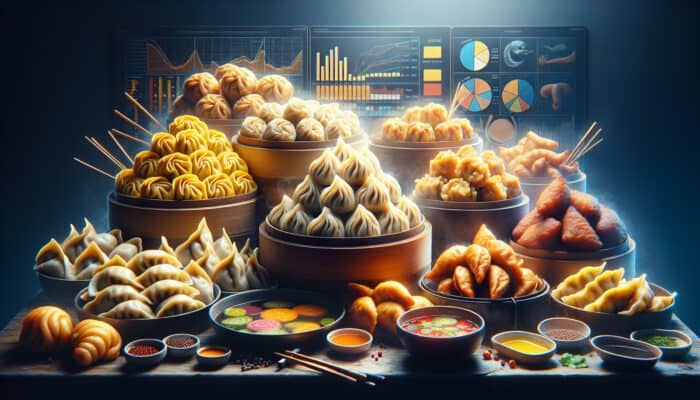
Dumplings can be prepared through various cooking methods, each resulting in unique textures and flavour profiles. Steaming is a popular choice, as it gently cooks the dumplings while retaining moisture, resulting in a tender bite. Alternatively, boiling is a straightforward technique that produces a soft texture, while frying creates a delightfully crispy exterior with satisfying crunch. Baked dumplings present an entirely different experience, often showcasing a golden, crispy finish. Each cooking technique necessitates specific tools; for steaming, options like a bamboo steamer or a metal steaming basket are particularly effective. Always prioritise safety by ensuring that dumplings are thoroughly cooked to prevent foodborne illnesses.
Valuable Tips for Crafting Exceptional Chinese Dumpling Recipes
How to Select Premium Ingredients for Dumpling Perfection?
Creating exquisite dumplings begins with choosing high-quality ingredients. Fresh, premium-grade meats and seasonal vegetables can significantly enhance the flavour and overall enjoyment of your dumplings. It is advisable to explore local markets to source the freshest produce while obtaining meats from reputable butchers who prioritise quality over mass production. The flour used for the wrappers should be carefully selected; opt for brands that specify a high protein content, as this contributes to the structure and chewiness of the dumplings. Investing time and effort into sourcing exceptional ingredients pays dividends in the flavour and quality of your final product.
Why Is It Beneficial to Experiment with Different Dumpling Fillings?
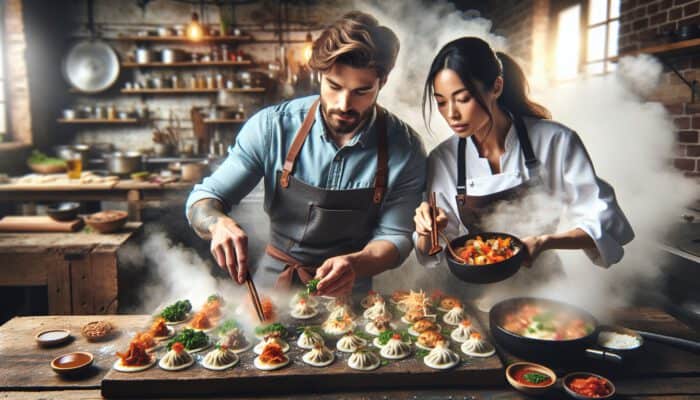
Exploring diverse fillings offers a wonderful opportunity to personalise your dumplings and enhance their flavour profiles. Experienced cooks recommend trying various combinations, such as blending meats with vegetables or introducing unexpected ingredients like cheese or herbs. For example, combining kimchi with pork creates an exciting fusion flavour that tantalises the palate. This culinary exploration not only sharpens your cooking skills but also broadens your understanding of flavour pairings, allowing you to craft distinctive and memorable dumplings that reflect your personal taste and creativity.
What Advanced Techniques Can Enhance Your Dumpling-Making Skills?
Enhancing your dumpling-making skills can be immensely rewarding and can elevate your culinary creations significantly. One effective way is to create your own wrappers from scratch, which adds freshness and flavour to your dumplings. Additionally, experimenting with fermented fillings, such as incorporating pickled vegetables, can introduce a new dimension of flavour to your dishes. Exploring various marination methods for proteins can infuse them with deep, rich flavours, ensuring that each bite is a delightful explosion of taste. By refining these advanced preparation techniques, you unlock newfound levels of creativity and flavour in your dumpling creations.
What Is the Process of Steaming Dumplings to Perfection?
Why Is Heat Essential in the Cooking of Dumplings?
Steaming dumplings utilises the power of indirect heat to thoroughly cook the fillings while preserving moisture. The steam envelops the dumplings, enabling even cooking without the risk of burning or drying out. This method is particularly advantageous for maintaining the integrity of delicate ingredients, ensuring they remain juicy and packed with flavour. Timing is critical; overcooking can lead to a gummy texture, while undercooking may result in raw fillings that are unappetising. Mastering the steaming process will help you achieve perfectly cooked dumplings every time.
What Tools Are Necessary for Effective Steaming?
To steam dumplings effectively, several tools can facilitate the process and yield optimal results. Consider the following commonly used options:
- Bamboo steamer
- Metal steaming basket
- Silicone steaming mat
- Instant Pot with steaming function
- Steamer pot
- Microwave-safe steaming dish
- Rice cooker with steaming tray
These tools ensure that dumplings are steamed evenly and efficiently, retaining their shape and moisture, resulting in a delectably satisfying dish.
What Techniques Can Enhance the Flavours of Dumplings?
To elevate the flavour profiles of dumplings, it requires a thoughtful combination of ingredients and seasonings. Marinating filling ingredients in soy sauce, rice wine, and various spices can deepen their overall flavour. Incorporating aromatic herbs, such as cilantro or green onion, adds refreshing brightness to the dish. Experimenting with different cooking oils, like sesame oil or chili oil, introduces new flavour dimensions. Ultimately, achieving balance is key; a hint of sweetness from ingredients like sugar or hoisin sauce can beautifully complement savoury notes, creating a harmonious taste experience.
Scientific Benefits of Trying Exceptional Chinese Dumpling Recipes
What Nutritional Benefits Do Homemade Dumplings Provide?
Homemade dumplings are often healthier than their store-bought counterparts, granting you greater control over ingredient selection and portion sizes. By opting for whole-grain wrappers and selecting lean meats alongside fresh vegetables for the fillings, you can create a nutrient-dense meal that is both satisfying and wholesome. This homemade approach also reduces the use of preservatives and additives, making it a healthier choice overall. By prioritising fresh and wholesome ingredients, you ensure that your dumplings contribute positively to your overall health and wellbeing.
How Do Ingredient Pairings Enhance Nutritional Value?
The combination of specific ingredients in dumplings not only affects their flavour but can also enhance their nutritional value. For instance, pairing nutrient-rich vegetables like spinach with protein sources such as chicken or tofu creates a balanced dish packed with essential vitamins and minerals. Moreover, incorporating high-fibre ingredients like whole-wheat flour in the wrappers can promote better digestive health. These thoughtful pairings help you craft dumplings that are not just delicious but also contribute to a well-rounded, nutritious meal.
Why Is Continuous Practice Important for Culinary Skill Development?
As you dedicate more time to making dumplings, your skills will naturally improve. This culinary journey enhances your technique and fosters a deeper appreciation for the art of cooking. By experimenting with diverse fillings, wrappers, and cooking methods, you can build a repertoire of dumpling recipes that cater to various tastes and preferences. This ongoing practice invites creativity and innovation into your kitchen, ensuring that the art of dumpling-making remains a joyful and rewarding experience shared with family and friends.
What Health Benefits Do Common Dumpling Ingredients Offer?
Research indicates that ingredients commonly found in dumplings, such as cabbage and pork, provide essential vitamins and proteins that support immune function and heart health. The combination of cabbage, known for its anti-inflammatory properties, and lean pork, rich in protein, creates a nutrient-packed meal. By following homemade dumpling recipes, you can easily incorporate these healthful ingredients into your diet, making dumplings an excellent choice for sustained wellbeing and nourishment.
How Does Cultural Heritage Affect Recipe Adaptation?
Cultural heritage significantly influences dumpling recipes, fostering a strong sense of identity and belonging. Traditional recipes are often passed down through generations, preserving their cultural significance. However, adapting these recipes can enhance dietary variety and promote health. For example, substituting whole-grain flour for refined flour in dumpling wrappers not only maintains the essence of the original recipe but also provides healthier options. Research highlights the positive impact of heritage foods on mental health, linking culinary traditions with emotional satisfaction and a sense of connection to one’s roots.
What Are the Fundamental Components of Dumpling Recipes?
What Core Ingredients Are Necessary for Every Dumpling Recipe?
Every successful dumpling recipe begins with several core ingredients that form the foundation for flavour and texture. These include flour for the wrappers, a protein source such as pork, chicken, or shrimp, and vegetables for added nutrition and taste. Essential seasonings like soy sauce, ginger, and garlic enhance the overall flavour profile, ensuring that each dumpling is a delightful bite. Focusing on these core ingredients is crucial for creating authentic, delicious dumplings that are sure to impress family and friends.
How Can You Innovatively Substitute Ingredients in Dumpling Recipes?
Creativity in ingredient substitutions can keep your dumpling recipes fresh and exciting. If you find yourself without wheat flour, consider using rice flour or tapioca flour as gluten-free alternatives. You can also swap out vegetables based on seasonal availability; for instance, spinach can replace cabbage, while mushrooms can act as a meat substitute in vegetarian versions. Additionally, exploring regional flavours, such as incorporating curry spices into your fillings, can yield delightful, unexpected results without sacrificing authenticity. Embracing creativity in your ingredient choices can lead to exciting culinary discoveries.
What Flavour Enhancers Can Elevate Your Dumplings?
Several flavour enhancers can take your dumpling experience to new heights. Consider incorporating the following elements:
- Fresh herbs (e.g., cilantro, green onion)
- Spices (e.g., five-spice powder, white pepper)
- Umami boosters (e.g., dried mushrooms, soy sauce)
- Hot sauces or chili oil for added heat
- Sesame oil for a fragrant aroma
- Vinegars for a touch of acidity
- Garlic and ginger for depth of flavour
Incorporating these elements can add layers of complexity to your dumplings, ensuring that each bite is bursting with flavour and satisfaction.
What Exciting Variations Can You Explore in Dumpling Preparation?
How Can Different Cooking Styles Enrich Your Dumpling Experience?
The versatility of dumplings allows for a wide range of cooking styles, each offering a unique culinary experience. For instance, potstickers are first pan-fried and then steamed, resulting in a crispy bottom paired with a soft, chewy top. Shumai, an open-top dumpling, is typically steamed and filled with a combination of meats and vegetables, enhancing its visual appeal. Experimenting with soup dumplings introduces a delightful broth inside, while baked dumplings provide a different texture, showcasing the adaptability of dumplings across various cuisines. Each cooking style adds its charm and flavour profile, allowing for endless exploration in the kitchen.
How Do You Create a Signature Dumpling Recipe?
A signature dumpling recipe often showcases unique characteristics that distinguish it from others. This may include a distinctive filling, a special cooking technique, or a signature dipping sauce that elevates it. For example, a dumpling filled with a blend of crab and cream cheese, topped with a drizzle of sweet soy sauce, becomes a memorable dish. To create your own signature recipe, consider personalising traditional fillings with local ingredients or introducing new spices that reflect your culinary journey, making each creation distinctly yours.
How Can You Achieve a Harmonious Balance of Flavours in Dumplings?
Achieving a harmonious balance of flavours in dumpling fillings is essential for creating an extraordinary eating experience. The interplay between sweet, salty, and umami notes can significantly enhance the overall flavour profile. For instance, if your filling is rich and savoury, a hint of sweetness, perhaps from a dash of sugar or a splash of mirin, can beautifully round out the flavours. Incorporating acidity, such as vinegar or citrus zest, can cut through richness, bringing a refreshing brightness to each bite. Exploring these balancing acts can lead to exceptional dumplings that delight the senses.
What Are the Benefits of Exploring New Dumpling Recipes?
How Does Culinary Experimentation Enrich Your Cooking Journey?
Culinary experimentation lies at the core of cooking, allowing creativity to flourish and new ideas to emerge. Trying new dumpling recipes not only broadens your palate but also enhances your cooking skills. Each attempt serves as an opportunity to learn about diverse flavours, techniques, and cultural traditions. The satisfaction of crafting a dish from scratch and sharing it with loved ones adds a level of joy to the culinary process. Embracing the excitement of experimentation invites a sense of adventure into your kitchen, making every cooking session a thrilling journey of discovery.
What Role Do Seasonings Play in Shaping the Flavour of Dumplings?
The right seasonings can dramatically influence the final outcome of your dumplings. Thoughtfully chosen spices and herbs can elevate basic fillings into standout dishes. For example, adding a hint of sesame oil can impart a distinctive aroma, while fresh herbs can brighten the overall flavour. As you experiment with various seasonings, you will discover how each element contributes to the complete flavour profile, enabling you to craft dumplings that resonate with your personal taste and leave a lasting impression on those who enjoy them.
How Can Your Personal Dumpling Preferences Change Over Time?
As you delve into new recipes and techniques, your culinary preferences will naturally evolve. Incorporating seasonal ingredients or regional flavours revitalises your go-to dumpling recipes, keeping them exciting and fresh. This ongoing evolution in your cooking style can lead to the development of a personal culinary identity that reflects your tastes, making your dumpling creations uniquely yours. Embracing change and innovation ensures that your dumpling-making journey remains dynamic and fulfilling.
What Health Benefits Are Associated with Including Varied Ingredients in Your Meals?
Incorporating a variety of ingredients into your meals, such as those found in dumplings, can significantly enhance your nutritional intake. A diverse diet is associated with improved health outcomes, including a reduced risk of chronic diseases. By experimenting with different fillings and cooking methods, you can provide essential vitamins and minerals that support overall wellbeing while enjoying delicious dishes. This commitment to diversity in your meals ensures that your diet remains nutritious and satisfying.
How Does Exploring Global Cuisine Foster Cultural Discovery?
Exploring diverse dumpling recipes from around the globe opens a window into different cultures and culinary traditions. Each region boasts its unique dumpling variations, reflecting local ingredients and distinctive cooking methods. By trying recipes from various cultures, you not only expand your culinary repertoire but also gain valuable insights into the traditions and histories that shape these beloved dishes. This cultural exploration fosters a deeper appreciation for food and the stories it tells, enriching your culinary journey.
Essential Tips for Achieving Dumpling Perfection
How to Avoid Common Mistakes While Making Dumplings?
Creating dumplings can be challenging, but awareness of common pitfalls can lead to better outcomes. One frequent issue is tearing the wrappers, which can be avoided by refraining from overworking the dough and allowing it to rest adequately. Additionally, overfilling dumplings can lead to bursting during cooking; it is essential to find the right balance and use only a small amount of filling. Lastly, undercooking dumplings may result in a raw centre, so always ensure proper cooking times based on your chosen method. By being mindful of these common mistakes, you can create beautiful and delicious dumplings every time.
What Essential Tools Can Streamline the Dumpling-Making Process?
Having the right tools can significantly simplify the dumpling-making process and enhance your efficiency in the kitchen. Essential gadgets include a rolling pin for achieving even dough thickness, a pastry cutter for precise wrapper shapes, and a dumpling press for consistent folding. Additionally, investing in a quality steamer can help achieve perfect steaming results, ensuring your dumplings are cooked to perfection. These tools are invaluable in streamlining your dumpling-making experience, allowing you to focus on creating delicious meals.
How to Maintain Consistency in Dumpling Size and Shape?
Consistency in size and shape is crucial for ensuring even cooking and an appealing presentation. When preparing dumplings, aim to use the same amount of filling for each one to achieve uniformity. This can be easily accomplished with a small scoop or spoon. Furthermore, rolling out the dough to an even thickness is vital, as this ensures that each wrapper cooks uniformly. Paying attention to these details can significantly enhance the overall quality of your dumplings, making them not only visually appealing but also delicious in every bite.
What Creative Seasonings Can Enhance Dumpling Flavours?
Properly selecting and using seasonings can elevate your dumpling flavours to extraordinary levels. Traditional spices like ginger and garlic are staples, but don't hesitate to experiment with modern twists like smoked paprika or fresh chili for added heat. Marinating filling ingredients in a blend of soy sauce, rice vinegar, and sesame oil before wrapping can impart deep, rich flavours. When cooking, finishing with a sprinkle of fresh herbs or a drizzle of flavoured oil can add a burst of freshness, creating a harmonious taste profile that captivates the palate.
What Are the Best Practices for Storing Dumplings?
How to Effectively Freeze Extra Dumplings?
Freezing dumplings is an excellent method for preserving your creations for later enjoyment. To do this effectively, arrange uncooked dumplings in a single layer on a baking sheet, ensuring they do not touch. Once frozen solid, transfer them to airtight freezer bags or containers. This method prevents sticking and allows you to take out only what you need, ensuring optimal quality when reheating. Proper freezing techniques will help you enjoy your dumplings at their best even after storage.
What Are the Best Ways to Reheat Dumplings Without Losing Quality?
Reheating dumplings can be straightforward if done correctly, ensuring that they retain their deliciousness. Here are effective methods to warm them up without compromising quality:
- Steaming – retains moisture and texture, ensuring a soft bite
- Pan-frying – provides a crispy exterior that adds delightful crunch
- Boiling – a gentle method for maintaining softness without drying out
- Microwave – quick but may require a damp paper towel to retain moisture
Each method has its advantages, so choose the one that best suits your desired outcome and the dumpling you are reheating to ensure a satisfying meal every time.
How to Ensure Longevity Through Proper Packaging?
Proper packaging is essential for maintaining the quality of your dumplings during storage. Utilizing vacuum-sealed bags can remove excess air, preventing freezer burn and extending shelf life. Labelling containers with the date and content helps you keep track of freshness. Additionally, it is wise to consume frozen dumplings within 3 months for optimal quality, ensuring you enjoy every bite as if they were freshly made. Taking these steps will allow you to savour your dumplings at their peak flavour and texture.
What Common Questions Arise About Dumplings?
What Are the Main Types of Dumplings You Can Make?
Dumplings come in various forms, including boiled, steamed, fried, and baked. Popular types include jiaozi, potstickers, and wontons, each offering unique textures and flavours depending on their preparation methods.
Can I Make Dumpling Wrappers in Advance?
Yes, you can prepare dumpling wrappers in advance. Once made, store them in an airtight container or wrap them in plastic wrap to prevent drying out. They can be refrigerated for a few days or frozen for longer storage, allowing for flexible meal preparation.
What Fillings Are Traditionally Used in Dumplings?
Traditional fillings often include minced meat, such as pork or chicken, combined with vegetables like cabbage, chives, or mushrooms. Seasoning with ginger, garlic, and soy sauce is common to enhance the overall flavour and ensure a satisfying taste.
Are Dumplings Healthy Options for Meals?
Homemade dumplings can be healthy, especially when made with wholesome ingredients and plenty of vegetables. They can be steamed or boiled to reduce oil content, making them a nutritious meal option that supports a balanced diet.
How Do I Prevent Dumplings from Sticking Together When Freezing?
To prevent dumplings from sticking together during freezing, arrange them in a single layer on a baking sheet. Once frozen, transfer them to airtight bags, ensuring they are well spaced out to maintain their shape and quality.
What Is the Best Way to Cook Frozen Dumplings?
Frozen dumplings can be cooked directly from the freezer. Steaming or boiling are excellent methods for ensuring they cook evenly, while pan-frying can provide a delightful crispy texture, making your meal even more enjoyable.
How Can I Enhance the Flavour of My Dumplings?
Enhancing the flavour of dumplings can be achieved by seasoning the filling with fresh herbs, spices, and marinades. Additionally, serving with dipping sauces like soy sauce or vinegar mixed with chili oil can elevate the overall dining experience and add exciting layers of flavour.
Can I Make Dumplings Vegetarian-Friendly?
Absolutely! Vegetarian dumplings can be filled with various ingredients, such as mushrooms, tofu, and mixed vegetables. Season well to ensure robust flavours that are satisfying and enjoyable for everyone, including non-vegetarians.
What Is the Ideal Cooking Time for Dumplings?
Cooking time varies based on the method and size of the dumplings. Generally, boiled or steamed dumplings take about 6-8 minutes, while fried dumplings may take 4-5 minutes on each side until they achieve a golden brown colour and satisfying crispness.
How Can I Tell When Dumplings Are Done Cooking?
Dumplings are considered done when they become translucent and float to the surface in boiling water. For fried dumplings, a golden colour and a crispy texture indicate they are cooked through and ready to be enjoyed.
Connect with Us on Facebook for More Culinary Inspiration!
The post Best Chinese Dumpling Recipes to Try: Top Picks appeared first on https://cookinggods.com
The Article Chinese Dumpling Recipes: Top Picks You Must Try Was Found On https://limitsofstrategy.com