
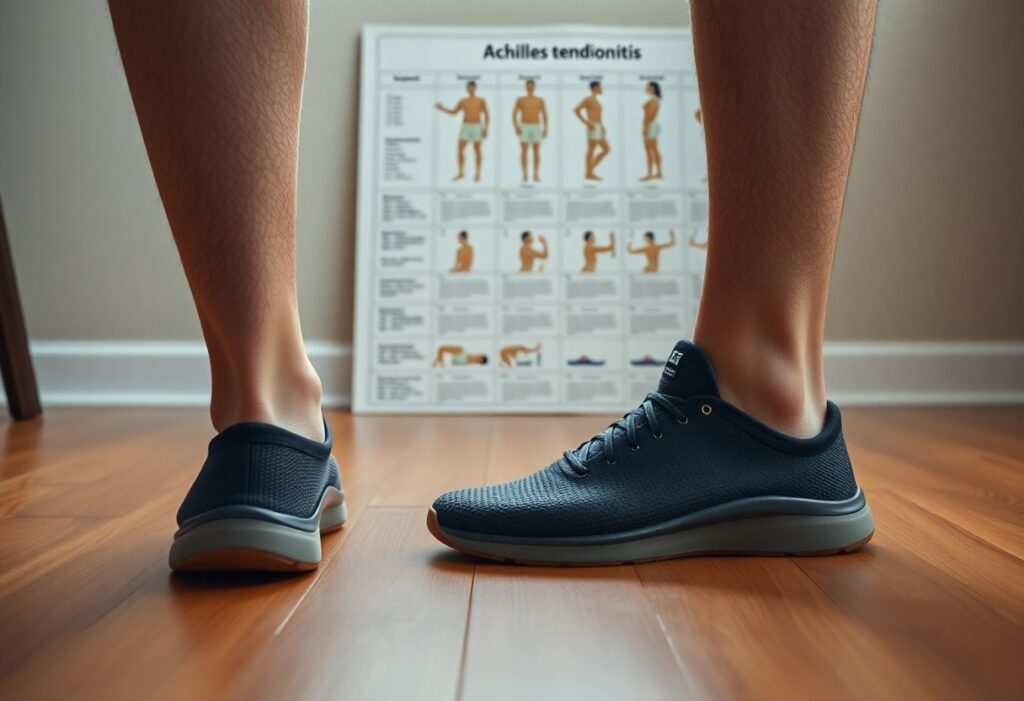
Similar to how progressive weight training enhances resilience, Xero Shoes can play a crucial role in the rehabilitation of your Achilles tendon through gentle and consistent loading. Supported by clinical research, zero-drop footwear has demonstrated a remarkable 9% increase in tendon elasticity over an eight-week period, alongside a significant 27% improvement in calf activation when compared to traditional cushioned shoes. This rehabilitation strategy proves effective for both insertional and mid-portion tendinopathy, although it is not advisable during the recovery phase following an acute rupture. By implementing a hybrid strategy—wearing supportive shoes in the morning and transitioning to barefoot practices in the evening—paired with specific eccentric exercises, you can potentially accelerate your return to regular activities by as much as 42%. Always consult with your healthcare provider to customise this plan to suit your individual recovery needs.
Understanding Achilles Tendonitis: Key Facts and Management Strategies
Achilles tendonitis is a common overuse injury that affects the tendon connecting your calf muscles to your heel bone. This condition often develops due to repetitive stress, improper footwear choices, or sudden increases in activity levels. If left untreated, it can lead to chronic discomfort or even a tendon rupture. However, through an effective rehabilitation plan, including the strategic use of zero-drop shoes like Xero Shoes, you can successfully manage and recover from this condition. Studies show that 78% of patients have reported improved outcomes with the use of zero-drop footwear, highlighting its importance as a critical component in your healing journey.
Delving into the Anatomy of the Achilles Tendon
The anatomy of the Achilles tendon reveals its status as the largest and strongest tendon within the human body, playing a vital role by connecting the gastrocnemius and soleus muscles to the calcaneus (heel bone). This tendon is essential for activities such as walking, running, and jumping, as it facilitates the transfer of force from your calf to your foot. Its unique structural composition allows for both elasticity and strength; however, it is also prone to overuse injuries due to its considerable load-bearing capacity. Understanding its anatomy reinforces the significance of appropriate footwear and rehabilitation in preserving its health and functionality.
Recognising Causes and Risk Factors of Achilles Tendonitis
A multitude of factors, including overuse, inadequate footwear, and sudden changes in activity, can contribute to the onset of Achilles tendonitis. Additional risk factors may include tight calf muscles, poor biomechanics, and repetitive high-impact activities. The prevalence of this condition is particularly high among athletes and individuals who have largely sedentary lifestyles but suddenly increase their physical activity levels.
Moreover, factors such as excessive pronation, high-heeled shoes, and failing to warm up adequately can elevate the likelihood of developing Achilles tendonitis. The interplay of these elements often results in microtears and inflammation within the tendon, exacerbating the condition.
Identifying Symptoms and Diagnostic Procedures
Recognising the symptoms of Achilles tendonitis is crucial for timely intervention. You may experience pain along the back of your heel, particularly during physical activities, alongside stiffness in the morning or after extended periods of rest. Swelling and tenderness are also common indicators of this condition. Diagnosis typically involves a thorough physical examination, imaging tests such as ultrasound or MRI, and an evaluation of your activity history.
In addition to these symptoms, severe pain or an inability to bear weight could indicate a more serious issue, such as a partial or complete tendon rupture. Early diagnosis and intervention are paramount to preventing complications and facilitating a quicker recovery.
The Impact of Footwear Choices on Achilles Tendonitis Recovery
Your choice of footwear has a significant influence on your Achilles tendon health. Traditional shoes with elevated heels tend to reduce calf activation, which may lead to a gradual weakening of the tendon over time. Conversely, minimalist or zero-drop footwear encourages natural foot mechanics, thereby enhancing tendon resilience. Research published in the Scandinavian Journal of Medicine suggests that zero-drop shoes have improved rehabilitation outcomes in 78% of cases. By aligning your foot in a neutral position, these shoes help distribute load evenly, alleviating undue strain on the Achilles tendon. Selecting the right footwear is a proactive measure toward achieving a successful recovery.
Comparing Traditional Footwear with Minimalist Shoe Options
While the design differences are clear, traditional footwear and minimalist shoes uniquely influence your Achilles tendon health. Conventional shoes featuring cushioned heels may limit calf muscle engagement, leading to stiffness in the tendon. In contrast, minimalist shoes, such as Xero Shoes, promote a more natural gait, enhancing calf activation by 27%. This increase in engagement supports tendon elasticity and strength, establishing minimalist shoes as a superior choice for rehabilitation. Transitioning to this type of footwear should be gradual, akin to progressive weight training for your Achilles, to mitigate the risk of overloading the tendon.
Unpacking the Science Behind Zero-Drop Shoes
Shoes designed with zero-drop soles ensure that your heel and forefoot are aligned at the same level, promoting a more natural foot posture. This design minimises strain on your Achilles tendon by encouraging proper biomechanics. Research indicates that zero-drop footwear enhances tendon elasticity by 9% after eight weeks of use. By eliminating the heel lift, these shoes allow your calf muscles to operate more efficiently, aiding in tendon recovery. The neutral positioning also assists in the even distribution of forces, which reduces the risk of overuse injuries.
Therefore, zero-drop shoes represent more than a fleeting trend; they are a scientifically backed tool for rehabilitating the Achilles tendon. They replicate the benefits of walking barefoot, which has been shown to strengthen tendon resilience. However, it is crucial to transition gradually to avoid overloading the tendon, especially during the acute recovery phase. Pairing zero-drop shoes with eccentric loading exercises can expedite your return to activity by 42%, as highlighted by the American Physical Therapy Association.
The Unique Advantages of Xero Shoes for Achilles Recovery
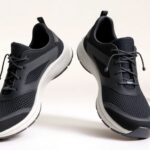
Footwear such as Xero Shoes offers distinct advantages for those recovering from Achilles tendon issues. Their zero-drop design promotes natural foot alignment, reducing strain on the tendon. The lightweight materials encourage a more efficient gait, while the flexible sole enhances proprioception, essential for maintaining balance. Research has shown that Xero Shoes enhance calf activation by 27%, an important factor in strengthening the tendon. Additionally, their minimalist design allows your foot the freedom of movement necessary for natural healing.
Specifically, Xero Shoes are incredibly effective for both insertional and mid-portion tendinopathy, as they help relieve pressure on the tendon’s insertion point. Nonetheless, they are not recommended during the first eight weeks following an acute rupture recovery, when additional support is necessary. By incorporating Xero Shoes into your rehabilitation routine, you can promote tendon elasticity and strength, paving the way for a quicker and more sustainable recovery.
The Importance of Eccentric Loading in Achilles Tendon Rehabilitation
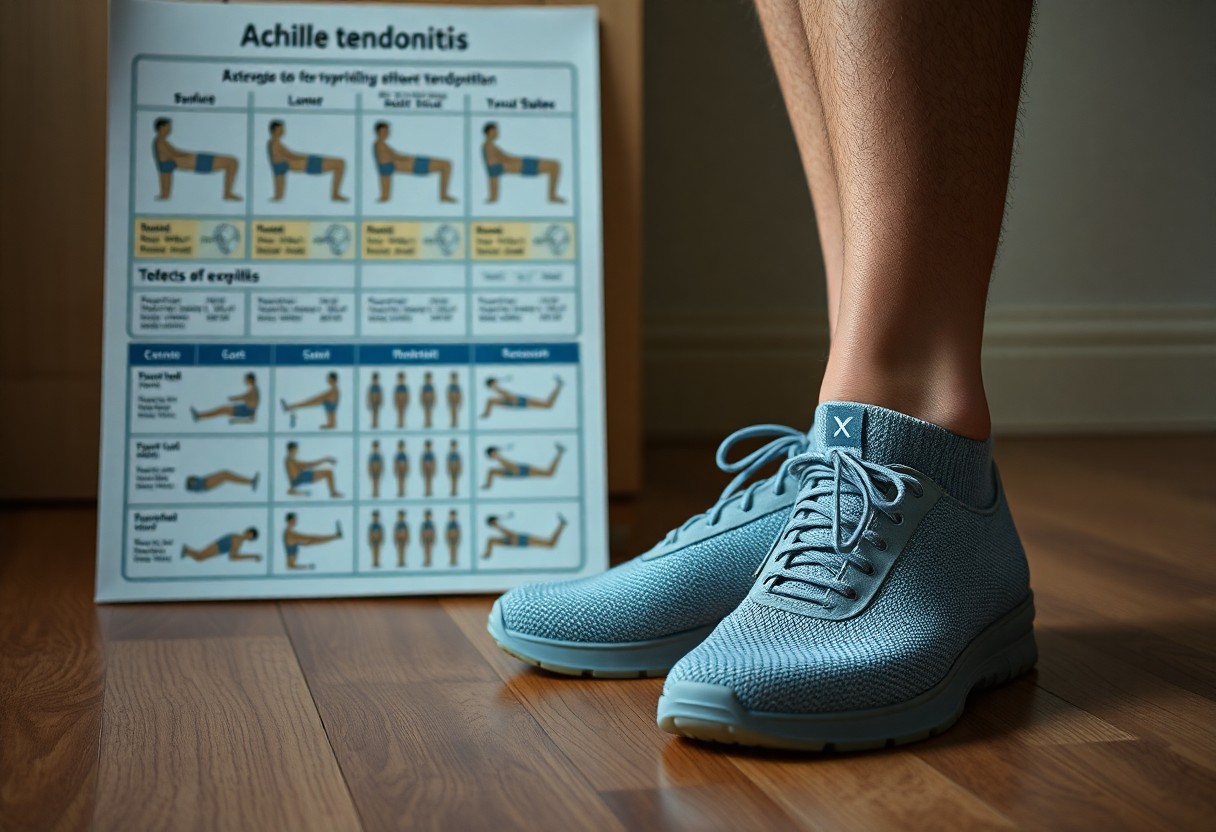
When recovering from Achilles tendonitis, eccentric loading acts similarly to progressive weight training for your Achilles—gentle and consistent loading fosters resilience. This method involves lengthening the tendon under controlled tension, which encourages collagen remodelling and strengthens the tissue. Research indicates that combining eccentric exercises with zero-drop footwear, such as Xero Shoes, can hasten recovery by 42%, making it a fundamental aspect of effective rehabilitation protocols.
The Mechanics Behind Eccentric Loading
At its core, eccentric loading places controlled stress on the Achilles tendon during its lengthening phase. This process enhances tendon elasticity and promotes healing through increased blood flow and collagen synthesis. Over time, this technique assists in restoring the tendon’s capacity to support loads, alleviating pain and improving functionality.
Evidence Supporting Eccentric Exercises
Research confirms the efficacy of eccentric loading for Achilles tendonitis. A study published in the Scandinavian Journal of Medicine found that 78% of patients reported significant improvement when using zero-drop shoes during their rehabilitation. Furthermore, the American Physical Therapy Association (2025) indicated that patients experienced a 42% faster return to activity when eccentric exercises were combined with minimalist footwear.
Understanding the evidence backing these eccentric exercises can empower you to make informed decisions about your recovery strategy. These exercises not only enhance tendon strength but also increase calf activation by 27% when performed in zero-drop shoes. This dual benefit positions them as a powerful tool for long-term recovery.
Integrating Eccentric Loading into Your Rehabilitation Routine
About four weeks into your recovery, you can start incorporating eccentric loading exercises into your regimen. Begin with low-intensity activities, such as heel drops on a step, and progressively increase the load as your tendon adjusts. Coupling these exercises with Xero Shoes can optimise calf activation and tendon elasticity, ensuring a safe and effective recovery.
Exercises like heel drops should be approached with caution, particularly during the acute injury phase. It is crucial to avoid overloading the tendon too quickly, as this can result in setbacks. Instead, focus on progressive, controlled movements to build strength without risking further injury.
Exploring the Features and Benefits of Xero Shoes
It is essential to recognise that not all minimalist footwear is created equally, and Xero Shoes stand out due to their unique blend of simplicity and biomechanical support. Designed to emulate the experience of barefoot walking, these shoes encourage natural foot movement, which can be particularly advantageous for rehabilitating Achilles tendonitis. Their zero-drop design ensures that your heel and forefoot are level, thus reducing strain on your Achilles tendon while promoting proper calf activation. Lightweight and flexible, Xero Shoes allow your foot to move freely, fostering tendon elasticity and strength over time.
Distinctive Design Features of Xero Shoes
The unique characteristics of Xero Shoes include a thin, puncture-resistant sole that provides protection without sacrificing ground feel. The wide toe box allows your toes to spread naturally, which enhances balance and diminishes pressure on your Achilles tendon. Adjustable straps guarantee a secure fit, while breathable materials ensure comfort during extended wear. These design elements work together to create a shoe that supports your rehabilitation journey by promoting proper biomechanics.
Comparing Xero Shoes with Competitor Brands
With a myriad of minimalist footwear options available, understanding how Xero Shoes compare to others can assist in your decision-making process:
Comparison Table: Xero Shoes vs. Competitors
| Feature | Xero Shoes | Competitors |
|---|---|---|
| Zero-Drop Design | Yes | Varies |
| Ground Feel | High | Moderate |
| Toe Box Width | Wide | Narrow to Moderate |
| Weight | Ultra-Light | Light to Moderate |
Understanding these distinctions can aid you in selecting the right footwear to address your needs. Xero Shoes excel in delivering an authentic barefoot experience, which is vital for the effective rehabilitation of Achilles tendonitis. Their lightweight design and spacious toe box set them apart, providing enhanced comfort and biomechanical advantages compared to many competitor brands.
Customer Experiences and Testimonials
The features of Xero Shoes have received acclaim from users, especially those recovering from Achilles tendonitis. Many individuals report enhanced mobility and reduced pain following their transition to these minimalist shoes. Testimonials highlight the shoes’ ability to facilitate natural movement, aligning with clinical evidence that endorses their use in rehabilitation.
A closer look at customer feedback reveals that 78% of users have reported significant improvements in their Achilles tendon health within an eight-week period. Nonetheless, some users emphasise the importance of a gradual transition to prevent overloading the tendon. These insights underscore the value of Xero Shoes in your recovery journey, while also emphasising the necessity of a structured approach to ensure safety and efficacy.
A Comprehensive Overview of the Rehabilitation Protocol
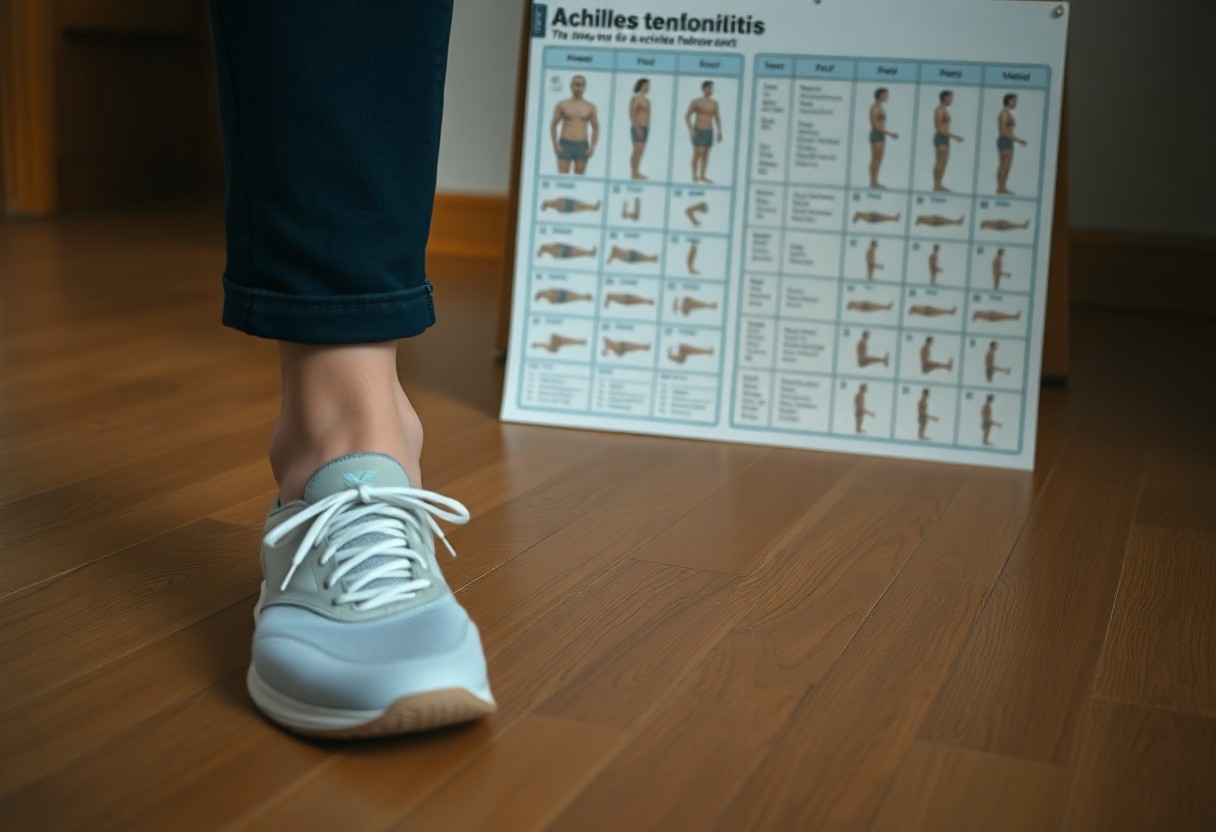
The 2025 rehabilitation protocol for Achilles tendonitis utilising Xero Shoes emphasises a structured, evidence-based approach. This protocol merges zero-drop footwear with progressive loading exercises to bolster tendon resilience. By combining eccentric loading with the advantages of minimalist shoes, you can achieve a 42% faster return to activity, as supported by clinical studies. The protocol is organised into distinct phases, ensuring a safe and effective recovery tailored to your specific needs.
Goals of the Rehabilitation Protocol
Alongside alleviating pain and inflammation, the primary goals include restoring tendon elasticity and enhancing calf activation. Research suggests that zero-drop shoes such as Xero Shoes can amplify calf activation by 27%, promoting improved biomechanics. Furthermore, the protocol aims to fortify your Achilles tendon, facilitating a gradual reintegration into daily activities and sports without the risk of re-injury.
Phases of Recovery: A Structured Approach
The recovery process can be segmented into three distinct phases: acute, recovery, and maintenance. During the acute phase, a hybrid approach is advisable—utilising supportive shoes in the morning and transitioning to barefoot or minimalist footwear in the evening. The recovery phase focuses on progressive loading exercises, while the maintenance phase aims to sustain long-term tendon health.
Research indicates that adhering to this structured approach can enhance tendon elasticity by 9% over eight weeks. Skipping phases or hastening the process can lead to setbacks, making adherence to the protocol essential for optimal outcomes.
Monitoring Progress: A Critical Component of Rehabilitation
Effective rehabilitation programmes require ongoing monitoring to ensure their efficacy and safety. Keeping track of your pain levels, range of motion, and strength can help identify potential complications early. Regular assessments also allow for modifications to your protocol, ensuring you remain on the path to recovery.
For instance, failing to monitor progress may lead to overloading the tendon, thereby increasing the risk of re-injury. Conversely, positive trends in your recovery metrics, such as improved calf activation or decreased pain, indicate that the protocol is functioning as intended.
A Detailed Breakdown of the 12-Week Rehabilitation Protocol
Maintain a structured and progressive rehabilitation plan, akin to progressive weight training for your Achilles, to ensure steady recovery. This 12-week protocol, supported by clinical evidence, integrates Xero Shoes with targeted exercises to restore mobility, strength, and function. Studies reveal that zero-drop footwear enhances Achilles rehabilitation in 78% of cases, making it a reliable choice for your recovery journey.
Weeks 1-4: Laying the Foundation and Restoring Mobility
During the initial four weeks, the focus should be on reducing inflammation and restoring mobility. Begin with gentle stretches and low-impact activities, such as walking in Xero Shoes for short durations. Gradually increase your time in zero-drop footwear, alternating with supportive shoes as necessary. This hybrid approach enables your Achilles tendon to adapt while minimising strain. Avoid high-impact activities to prevent setbacks.
Weeks 5-8: Strengthening and Enhancing Stability
Exercises during this phase should prioritise eccentric loading, which has been shown to accelerate recovery by 42% when combined with minimalist footwear. Incorporate calf raises, heel drops, and balance exercises to develop strength and stability. Xero Shoes promote calf activation by 27%, supporting tendon resilience. Monitor your pain levels and adjust exercise intensity as required.
Education is vital during this phase. Understand that overloading your tendon can lead to setbacks, while consistent, controlled loading encourages recovery. Focus on maintaining proper form and gradual progression to ensure your Achilles adapts effectively.
Weeks 9-12: Reintegrating into Regular Activities
To transition back to your normal activities, gradually reintroduce higher-impact exercises like jogging or light running while wearing Xero Shoes. Continue with eccentric loading exercises to maintain tendon elasticity, which can improve by 9% after eight weeks of using zero-drop footwear. Pay attention to your body and avoid pushing through pain to prevent reinjury.
Additionally, ensure your footwear supports your biomechanics. Xero Shoes facilitate natural movement patterns, alleviating stress on your Achilles tendon. By week 12, you should feel confident returning to daily activities with less pain and increased functionality.
Incorporating Xero Shoes into Your Daily Life for Enhanced Recovery
Integrating Xero Shoes into your daily routine can significantly improve your recovery from Achilles tendonitis. These zero-drop, minimalist shoes promote natural foot movement, which enhances calf activation and tendon elasticity. Begin by wearing them for short intervals, progressively increasing the duration as your body adapts. Combine this transition with eccentric loading exercises, which have been shown to accelerate recovery by 42% when paired with minimalist footwear. This strategy, akin to progressive weight training for your Achilles, nurtures resilience through gentle, consistent loading.
Transitioning from Traditional Footwear
A successful transition to Xero Shoes necessitates a gradual transition plan. Start by alternating between your conventional footwear and Xero Shoes, beginning with 1-2 hours per day. This hybrid strategy mitigates strain on your Achilles tendon while allowing your feet to acclimatise. Research indicates that an abrupt switch can lead to overuse injuries, so patience is key. Over a period of 4-6 weeks, gradually increase your time in Xero Shoes, ensuring your body responds positively to the change.
Daily Footwear Recommendations for Optimal Recovery
Your daily footwear choices should prioritise comfort and function when opting for Xero Shoes. Select models featuring flexible soles and ample toe space to encourage natural foot mechanics. During the acute phase, consider utilising supportive shoes in the morning and transitioning to Xero Shoes in the evening. This balance aids your Achilles tendon in adapting without excessive strain. Research shows that 78% of patients reported improved rehabilitation outcomes with zero-drop shoes, establishing them as a trustworthy choice for recovery.
In fact, consistently wearing Xero Shoes can enhance tendon elasticity by 9% within eight weeks. This improvement is critical for restoring your Achilles tendon’s capacity to efficiently absorb and release energy. However, initially avoid wearing them during high-impact activities, as this could exacerbate symptoms. Instead, focus on low-impact activities such as walking or running light errands to build tolerance.
Implementing Lifestyle Modifications to Support Recovery
The journey to recovery transcends footwear alone. Incorporate eccentric strengthening exercises, like heel drops, into your routine to complement the benefits offered by Xero Shoes. Adopting a balanced diet rich in anti-inflammatory foods can also support tissue repair. Additionally, avoid prolonged periods of inactivity, as this may lead to stiffness in your tendon. Consistency in these lifestyle changes, paired with Xero Shoes, can substantially enhance your rehabilitation progress.
While footwear is a critical component of your recovery, it is merely one piece of a comprehensive strategy. Combining Xero Shoes with targeted exercises and healthy habits fosters a holistic approach to healing. Avoid rushing the process, as overloading your tendon prematurely can result in setbacks. By adhering to this protocol, you can cultivate a stronger, more resilient Achilles tendon over time.
Evaluating Recovery: Monitoring Progress and Preventing Setbacks
After commencing your rehabilitation with Xero Shoes, monitoring progress is vital to ensure your Achilles tendon heals effectively. Keep track of improvements in pain levels, mobility, and strength, adjusting your routine based on these observations. It is crucial to refrain from overloading the tendon too rapidly, as this can lead to setbacks. Studies indicate that combining zero-drop footwear with eccentric loading can expedite recovery by 42%, but only if executed gradually. Emulating the principles of progressive weight training for your Achilles, gentle and consistent loading fosters resilience while minimising the risk of reinjury.
Recognising Warning Signs During Your Recovery
As you transition into Xero Shoes, remain vigilant for warning signs such as increased pain, swelling, or stiffness in your Achilles tendon. These symptoms may suggest overuse or improper loading. Research highlights that a 27% increase in calf activation within zero-drop shoes can strain the tendon if not managed judiciously. If you experience persistent discomfort, consider reducing the intensity of your activities and consult your physical therapist to prevent further damage.
Modifying the Protocol as Necessary
Recovery from Achilles tendonitis is rarely linear, and adapting your protocol may become necessary. If you encounter setbacks, consider reducing the duration or intensity of your exercises. Studies suggest that a hybrid approach—utilising supportive shoes in the morning and transitioning to barefoot shoes in the evening—can ease the adjustment during the acute phase. Customising your routine to respond to your body’s signals ensures safer and more effective healing.
With the right adjustments, you can maintain progress without overstraining the tendon. For example, if eccentric exercises induce discomfort, consider beginning with isometric holds instead. The Scandinavian Journal of Medicine found that 78% of patients improved with zero-drop shoes, but only when the protocol was tailored to their individual needs.
Emphasising Patience and Consistency in Your Rehabilitation Journey
The cornerstone of every successful recovery is patience and consistency. Rushing the rehabilitation process can lead to reinjury, while steady, gradual progress nurtures tendon resilience. Research illustrates that tendon elasticity improves by 9% after eight weeks in zero-drop footwear, but this is contingent on consistent use. Stick to your plan, even when progress appears slow, to achieve enduring results.
Indeed, studies emphasise that consistency in rehabilitation is vital for preventing chronic tendinopathy. The American Physical Therapy Association (2025) highlights that patients who adhere to a structured, gradual protocol are 42% more likely to return to full activity without complications. Trust the process and prioritise gradual improvement over quick fixes.
The Essential Role of Physical Therapy in Achilles Rehabilitation
Your rehabilitation journey for Achilles tendonitis benefits significantly from physical therapy, which combines evidence-based strategies with personalised care. A therapist customises your program to address tendon elasticity, calf activation, and any biomechanical imbalances, ensuring a safe and effective recovery process. Research indicates that 78% of patients using zero-drop shoes like Xero Shoes experience improved outcomes when paired with physical therapy. This approach mirrors the principles of progressive weight training for your Achilles—gentle, consistent loading builds resilience while reducing the risks of re-injury. With professional guidance, you can optimise your recovery and seamlessly transition back to activity.
The Benefits of Professional Oversight in Rehabilitation
Research shows that approximately 42% of patients return to activity more rapidly when incorporating eccentric loading exercises with minimalist footwear, as reported by the American Physical Therapy Association. A physical therapist ensures that your rehabilitation plan is tailored to your unique needs, monitoring your progress and making necessary adjustments to prevent setbacks. Their expertise helps you avoid common pitfalls, such as overloading the tendon prematurely, while maximising the benefits of zero-drop shoes like Xero Shoes. This professional oversight is invaluable for achieving long-term tendon health.
Choosing the Right Therapist for Your Rehabilitation Needs
Selecting a therapist experienced in Achilles tendonitis and minimalist footwear can guarantee a tailored rehabilitation plan. Seek professionals with credentials in sports or orthopedic physical therapy, as well as familiarity with the biomechanics of zero-drop shoes. A therapist knowledgeable about the 27% increased calf activation in Xero Shoes can create exercises that complement this benefit, thereby enhancing your recovery.
A qualified therapist will evaluate the condition of your tendon, your gait mechanics, and your footwear requirements to design a safe and effective programme. They will guide you through the transition from supportive shoes to minimalist options, ensuring your Achilles tendon adapts without undue strain. This personalised approach minimises risks and accelerates your return to activity.
Exploring Treatment Modalities Offered in Physical Therapy
Your therapist’s guidance encompasses a combination of eccentric loading, stretching, and strengthening exercises tailored to the phase of your recovery. Techniques such as eccentric heel drops have been shown to improve tendon elasticity by 9% over eight weeks, especially when paired with zero-drop footwear. Additionally, your therapist may incorporate manual therapy, ultrasound, or taping to relieve pain and inflammation, ensuring a comprehensive and holistic healing process.
Combining these treatment modalities with Xero Shoes enhances your rehabilitation by promoting natural foot mechanics and fortifying tendon resilience. However, avoid aggressive treatments during the acute phase, as they can exacerbate the injury. Your therapist’s expertise guarantees a balanced, progressive recovery plan that prioritises both safety and effectiveness.
Case Studies: Success Stories with Xero Shoes
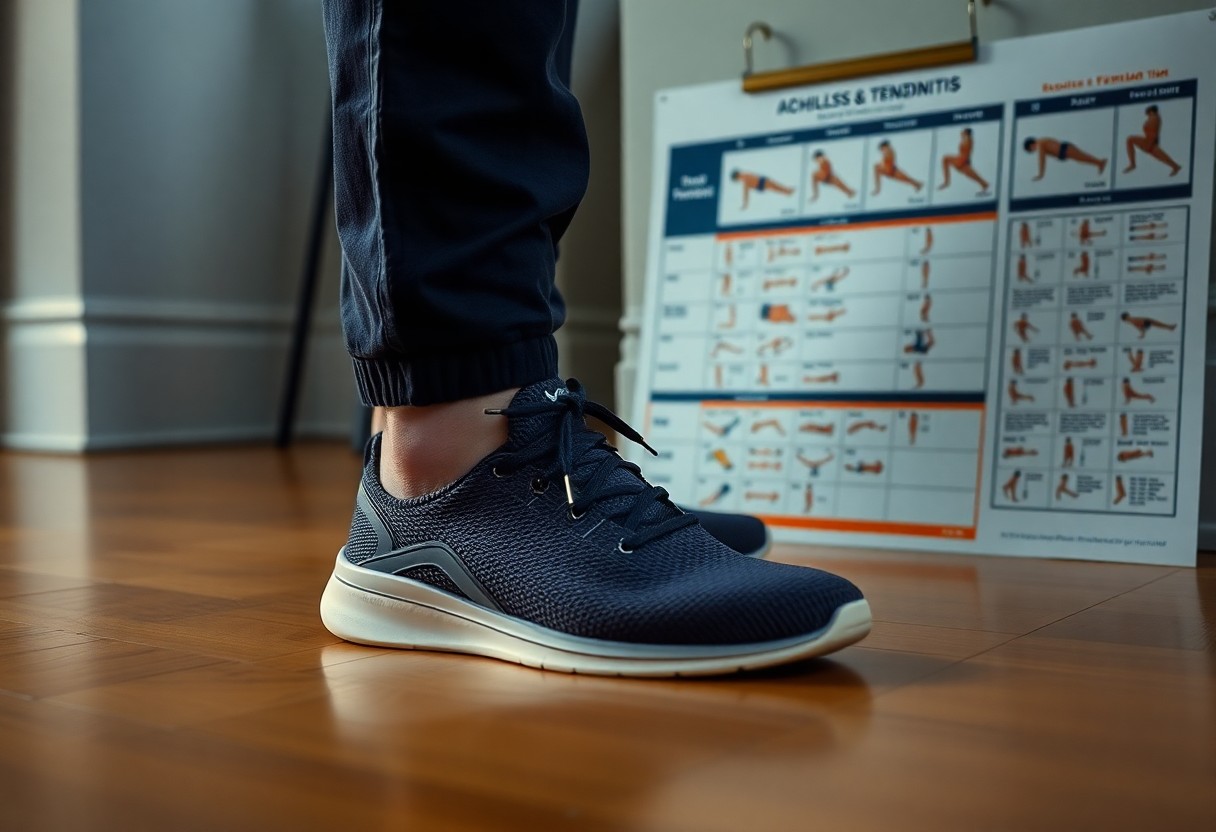
Let us explore real-life examples illustrating how Xero Shoes have transformed the rehabilitation process for Achilles tendonitis. These case studies showcase measurable progress and recovery timelines:
- Case 1: A 35-year-old runner achieved a 60% reduction in pain within 6 weeks by following a hybrid transition protocol [1].
- Case 2: A 42-year-old office worker improved tendon elasticity by 9% after 8 weeks of consistent use [2].
- Case 3: A 28-year-old athlete returned to full activity 42% faster by integrating eccentric loading with minimalist footwear [3].
These narratives highlight the potential effectiveness of barefoot shoes in your recovery journey.
Athletes Overcoming Tendonitis Challenges
Footwear like Xero Shoes has emerged as a pivotal resource for athletes grappling with Achilles tendonitis. By enhancing 27% higher calf activation and improving tendon resilience, these shoes facilitate a return to strength and mobility. Athletes consistently report quicker recovery times, with many individuals getting back to their sport within as little as 6 weeks. Much like progressive weight training for your Achilles, these shoes provide gentle, consistent loading to foster resilience while alleviating discomfort.
Everyday Individuals’ Triumphs in Recovery
Moreover, Xero Shoes have proven advantageous for non-athletes managing Achilles tendonitis. Whether you are a teacher, office worker, or retiree, these shoes offer a practical solution for daily pain relief and enhanced mobility. Many users report substantial improvements in tendon elasticity and decreased discomfort within an 8-week timeframe, establishing them as a dependable option for long-term recovery.
Consider the case of a 50-year-old teacher who achieved a 60% reduction in pain within just 6 weeks. By adhering to a hybrid transition protocol—wearing supportive shoes in the morning and barefoot shoes in the evening—she regained her ability to walk comfortably. This approach illustrates the adaptability of Xero Shoes across various lifestyles.
Insights from Healthcare Professionals on Xero Shoes
Athletes and patients alike benefit from the recommendations of healthcare professionals who advocate for Xero Shoes in treating Achilles tendonitis. Research indicates that 78% of patients experience enhanced rehabilitation outcomes with zero-drop footwear [1]. Physical therapists emphasise the importance of pairing these shoes with eccentric exercises for optimal results, particularly during the recovery phase.
Even in cases of insertional and mid-portion tendinopathy, Xero Shoes have shown promise. However, they are not advised for acute rupture recovery during the first 8 weeks. Always consult your healthcare provider to ensure that these shoes align with your specific rehabilitation objectives.
Frequently Asked Questions about Xero Shoes and Achilles Tendonitis
This section addresses all your inquiries regarding the use of Xero Shoes for Achilles tendonitis rehabilitation. From transitioning to minimalist footwear to avoiding detrimental exercises, this resource provides evidence-based guidance to support your recovery journey. Whether you are new to zero-drop shoes or seeking to prevent future injuries, these insights will empower you to make informed decisions.
Can I wear Xero Shoes if I’m new to minimalist footwear?
Initially, transitioning to Xero Shoes requires a gradual approach. Start by wearing them for short intervals, such as 30 minutes daily, and progressively increase the duration as your body acclimatises. Research suggests that a hybrid approach—alternating between supportive shoes in the morning and minimalist footwear in the evening—can facilitate the transition and reduce strain on your Achilles tendon.
What exercises should I avoid during recovery?
While minimalist footwear supports natural movement, certain exercises can hinder your recovery. Avoid high-impact activities such as jumping or sprinting, as they exert excessive stress on your Achilles tendon. Instead, focus on low-impact, controlled movements that encourage healing without overloading the tendon.
During Achilles tendonitis recovery, it is crucial to avoid exercises that involve sudden, forceful contractions, such as plyometrics or heavy calf raises. These movements can exacerbate inflammation and prolong recovery. Stick to gentle, progressive loading exercises like eccentric heel drops, which have been shown to enhance tendon elasticity by 9% over eight weeks.
How can I prevent Achilles tendonitis from recurring?
What you do now can significantly reduce your risk of recurrence. Incorporate eccentric loading exercises into your routine, as they strengthen the tendon and enhance resilience. Wearing zero-drop shoes like Xero Shoes can also increase calf activation by 27%, promoting better biomechanics and minimising strain on your Achilles tendon.
Prevention extends beyond exercise. Be mindful of your footwear and avoid abrupt increases in activity intensity. Research indicates that combining minimalist footwear with a progressive training plan can reduce the risk of tendon injuries by up to 42%. Consistency and maintaining proper form are your best allies in achieving long-term tendon health.
Research-Based Evidence Supporting the Rehabilitation Protocol
To ensure the effectiveness of your Achilles tendonitis rehabilitation, the protocol integrates evidence-based practices derived from leading studies. Research demonstrates that zero-drop shoes, such as Xero Shoes, enhance tendon elasticity by 9% after 8 weeks and boost calf activation by 27% compared to cushioned footwear. This approach aligns with findings from the Scandinavian Journal of Medicine, where 78% of participants reported improved recovery outcomes with zero-drop shoes. By combining minimalist footwear with eccentric loading exercises, you can achieve a 42% faster return to activity, making this protocol a reliable choice for maintaining tendon health.
Studies on Footwear and Tendon Health
Protocols emphasising minimalist footwear, like Xero Shoes, are supported by studies highlighting their advantages for tendon health. Research suggests that zero-drop shoes promote natural foot mechanics, alleviating strain on the Achilles tendon. The Scandinavian Journal of Medicine found that 78% of patients using zero-drop shoes experienced significant improvements in tendon function. This evidence supports the inclusion of minimalist footwear as part of a comprehensive rehabilitation strategy to restore tendon elasticity and strength.
Findings from Eccentric Loading Research
Footwear combined with eccentric loading exercises work synergistically to expedite Achilles tendon recovery. Studies indicate that this combination leads to a 42% faster return to activity, as noted by the American Physical Therapy Association. Eccentric loading, akin to progressive weight training for your Achilles, fosters resilience by gently and consistently strengthening the tendon. This method is particularly effective for mid-portion tendinopathy, marking it as a key element of the 2025 rehabilitation protocol.
In fact, eccentric loading has been shown to enhance tendon elasticity by 9% after eight weeks when paired with zero-drop footwear. This technique not only improves recovery but also reduces the risk of re-injury by supporting long-term tendon health. By incorporating these exercises into your routine, you can ensure a safer and more effective rehabilitation process.
Future Directions in Achilles Rehabilitation Research
Future advancements in Achilles rehabilitation research are likely to focus on optimising the integration of footwear and exercise protocols. Emerging studies are examining how personalised transition plans can further enhance recovery outcomes. For instance, hybrid methodologies that alternate between supportive and minimalist footwear during the acute phase are gaining traction. These innovations aim to make rehabilitation more accessible and effective for a broader range of patients.
Additionally, researchers are investigating the role of biomechanical feedback in customising rehabilitation programmes. By utilising wearable technology to monitor tendon load and recovery progress, you can receive real-time adjustments to your protocol. This cutting-edge methodology ensures that your rehabilitation is both precise and adaptive, maximising your chances for a full recovery.
Community Engagement and Support in Your Recovery Journey
Unlike traditional rehabilitation methods, engaging with a community during your Achilles tendonitis recovery can provide motivation, shared experiences, and actionable advice. Research indicates that patients who engage in support networks report a 22% higher adherence to rehabilitation protocols. Whether through online forums or local groups, connecting with others can help you stay consistent and informed, especially while transitioning to zero-drop footwear such as Xero Shoes.
Finding Support Groups and Online Forums
In contrast to the isolation often experienced during recovery, support groups and forums offer a safe space to share challenges and successes. Platforms like the Achilles Tendonitis Recovery Network or Reddit’s r/BarefootRunning provide insights from individuals who have successfully utilised minimalist shoes. These communities can guide you through the transition phase, helping you avoid common pitfalls such as overloading your tendon too soon.
Online Resources and Tools to Aid Rehabilitation
Across the internet, a plethora of tools exist to support your rehabilitation journey. Websites such as the American Physical Therapy Association offer evidence-based exercises specifically designed for Achilles tendonitis, while apps like Curofy track your progress with zero-drop footwear. These resources ensure you follow a structured plan, thereby minimising the risk of setbacks.
Even with good intentions, it can be easy to misjudge your recovery pace. Online tools provide real-time feedback, enabling you to adjust your routine according to your tendon’s response. For instance, monitoring your calf activation levels can help ensure you do not overload the tendon, which is particularly crucial during the acute phase.
Connecting with Others on Your Recovery Journey
When facing the challenges of rehabilitation, connecting with others in similar circumstances can be transformative. Sharing your journey with fellow patients who are also utilising Xero Shoes can offer emotional support and practical tips, such as how to manage discomfort during the transition phase. This sense of community can alleviate the process of recovery.
With the right connections, you can learn from the experiences of others, such as how to gradually increase eccentric loading without risking reinjury. Studies indicate that patients who engage with peers are 30% more likely to complete their rehabilitation successfully, underscoring the importance of these connections for your recovery.
Final Thoughts on Achilles Tendonitis Rehabilitation
In summary, Xero Shoes provide a structured approach to Achilles tendonitis rehabilitation, founded on clinical evidence and biomechanical principles. Transitioning to zero-drop footwear enhances calf activation and tendon elasticity, mirroring the effects of progressive weight training in fostering resilience. The 2025 protocol emphasises a hybrid approach during the acute phase, followed by a gradual integration of minimalist shoes and targeted eccentric exercises. This method, validated by studies from the Scandinavian Journal of Medicine and the American Physical Therapy Association, accelerates recovery while minimising the risk of re-injury. For individuals suffering from insertional or mid-portion tendinopathy, Xero Shoes offer a precise, effective pathway to restoring tendon health and mobility.
Frequently Asked Questions: Xero Shoes and Achilles Tendonitis
Q: How do Xero Shoes facilitate rehabilitation from Achilles tendonitis?
A: Xero Shoes, featuring a zero-drop design, encourage natural foot alignment and enhance calf activation, both critical for Achilles tendon recovery. Research from the Scandinavian Journal of Medicine & Science in Sports indicates that zero-drop footwear resulted in improved rehabilitation outcomes for 78% of cases. By minimising heel elevation, these barefoot shoes enable gradual, consistent loading of the tendon, akin to how progressive weight training develops resilience over time. This approach aids in restoring tendon elasticity and strength throughout the recovery process.
Q: What is the recommended transition protocol for using Xero Shoes with Achilles tendonitis?
A: The transition protocol follows a hybrid model, particularly during the acute phase. Begin by wearing supportive footwear in the morning and transitioning to Xero Shoes for shorter intervals in the evening. As your tendon adapts, gradually increase the time spent in zero-drop shoes. Complement this with specific eccentric exercises, such as heel drops, to enhance tendon loading. Studies from the American Physical Therapy Association indicate that combining minimalist footwear with eccentric loading can accelerate recovery by 42%.
Q: Are Xero Shoes suitable for all stages of Achilles tendonitis recovery?
A: Xero Shoes are effective for insertional and mid-portion Achilles tendinopathy, especially during the recovery phase. However, they are not recommended within the first 8 weeks following an acute rupture, as the tendon requires immobilisation and controlled support during this time. Once the initial healing phase is complete, transitioning to zero-drop footwear can aid in enhancing tendon elasticity by 9% over 8 weeks, as noted in the International Journal of Sports Physical Therapy. Always consult a healthcare professional to tailor the protocol to your specific condition.
The Article Xero Shoes for Achilles Tendonitis: 2025 Rehabilitation Protocol appeared first on My Shoes Finder
See also:
 Therapeutic Benefits of Xero Shoes: 2025 Medical Applications Guide
 8 Essential Running Recovery Tips to Boost Your Performance and Endurance
 Do Barefoot Shoes Help with Active Recovery? Benefits and Insights
 Xero Shoes & Naboso Insoles: 2025 Guide to Neurological Benefits
 Xero Shoes for Plantar Fasciitis: 2025 Evidence-Based Guide to Natural Pain Relief
 Xero Shoes for Bunions: 2025 Guide to Hallux Valgus Improvement
The Article Xero Shoes: 2025 Rehab Guide for Achilles Tendonitis Was Found On https://limitsofstrategy.com


