Explore In-Depth Information on Liver Blood Tests in Swindon
What is the main purpose of undergoing a liver blood test?
Private Liver Blood Test in Swindon: A liver blood test serves as a crucial diagnostic tool widely used in the UK healthcare framework, aimed at assessing liver function and detecting potential health concerns at an early stage. General Practitioners (GPs) often recommend these tests to patients presenting symptoms such as jaundice, which may signal underlying liver conditions necessitating immediate medical attention. This proactive approach to health management is vital in ensuring that any liver-related issues are identified and addressed promptly.
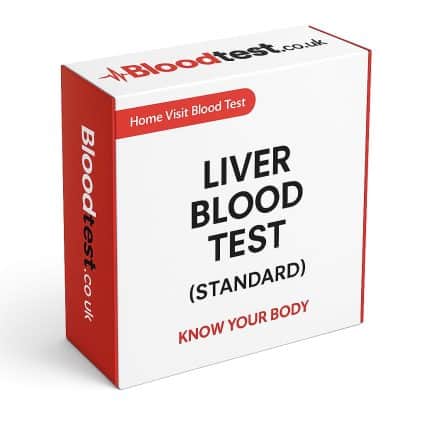

In Swindon, local NHS practices routinely conduct these essential assessments, which play a crucial role in proactive health management. By identifying liver issues early, this method helps prevent severe complications that can arise from undiagnosed liver problems. Early detection through these tests is vital for maintaining optimal liver health and overall well-being, empowering individuals to take control of their health in a proactive manner.
What are the most common types of liver blood tests conducted?
Within Swindon clinics, several key tests are frequently utilised to assess liver health. Among the most commonly performed tests are Alanine Aminotransferase (ALT) and Aspartate Aminotransferase (AST), which evaluate blood enzyme levels to assess liver function and identify conditions such as hepatitis. Patients interested in these tests can conveniently arrange them via NHS services; typically, a referral from a GP is necessary to facilitate a straightforward and accessible testing process for all Swindon residents. This accessibility encourages regular monitoring of liver health in the community, significantly contributing to improved health outcomes.
When should individuals seek medical advice in Swindon?
Individuals experiencing persistent fatigue or abdominal pain should not hesitate to seek medical advice from local NHS providers. These symptoms can serve as important indicators of potential liver issues that require prompt attention. It is crucial to consult a GP who can comprehensively evaluate the situation in accordance with established UK medical guidelines and, if necessary, arrange for a liver blood test. Early intervention is essential for effectively managing liver health and preventing further complications, ensuring that patients receive the appropriate care and support they need.
How can patients accurately understand their liver blood test results?
Upon receiving liver blood test results from NHS laboratories in Swindon, patients may encounter abnormal enzyme levels, such as elevated ALT or bilirubin. It is imperative to consult with a GP for an accurate interpretation of these results. Professional guidance is essential for identifying underlying conditions such as fatty liver disease and formulating appropriate treatment plans. Adhering to British medical standards guarantees that patients receive timely and effective care, facilitating improved health outcomes and a clearer understanding of their liver health status.
Professional Insights on Liver Blood Testing in Swindon
What key factors impact the accuracy of liver blood tests?
Experts in Swindon highlight several specific factors that are critical in ensuring the accuracy of liver blood tests conducted at NHS laboratories. To achieve reliable results, patients are advised to follow specific guidelines, which include:
- Fasting for a specified period before the test
- Avoiding alcohol consumption for 24 hours prior to the test
- Refraining from strenuous exercise
- Informing the healthcare provider of any medications taken
These measures are vital for maintaining the integrity of test results, as even minor deviations can significantly affect the diagnostic process, potentially leading to misinterpretations or unnecessary further testing.
How should patients approach interpreting results with professional assistance?
Healthcare professionals in Swindon play a crucial role in interpreting liver blood test results. Abnormal findings may indicate various liver diseases, making it necessary to seek guidance from a medical professional to determine the next steps. Patients are encouraged to engage with specialists within the NHS, enabling comprehensive evaluations and personalised care plans tailored to their specific health needs. Establishing a clear line of communication with healthcare providers is essential for navigating the complexities of liver health and ensuring that concerns are addressed effectively.
What are the latest advancements in liver testing technology?
The field of liver testing is undergoing rapid advancements, with innovative blood panels significantly enhancing diagnostic capabilities in hospitals across Swindon. Experts note that these technological developments have improved detection rates for liver conditions. Recent studies in the UK have demonstrated that cutting-edge technologies can detect liver abnormalities earlier than traditional methods, facilitating prompt and effective interventions. These innovations represent a significant leap forward in healthcare, particularly in managing liver diseases, ultimately enhancing patient outcomes and quality of life.
What is the procedure for a liver blood test?
What steps are involved in the liver blood test procedure?
The procedure for a liver blood test is relatively straightforward, beginning with a blood draw performed at a local Swindon clinic by a trained healthcare professional. This quick procedure is typically covered by the NHS. Following the blood draw, samples are dispatched to a laboratory for analysis of specific markers that indicate liver function. The entire process is designed to be efficient, ensuring that patients receive timely results and necessary follow-up care, thereby enhancing their understanding of their liver health.
Why is preparation crucial for ensuring test accuracy?
Proper preparation for a liver blood test is essential to achieve accurate results. Adequate hydration is vital, as it can influence blood viscosity and the ease of obtaining samples. Patients should also avoid certain medications and foods that may interfere with test results. Adhering to these guidelines aligns with clinical standards in the UK, highlighting the importance of preparation to ensure reliable liver function test results. This meticulous approach is critical for maintaining the integrity of the testing process and ensuring patient safety.
How long does it typically take to receive test results?
In Swindon, the timeframe for obtaining liver blood test results from NHS laboratories generally ranges from a few days to about a week, depending on the specific tests conducted. Patients are encouraged to follow up with their GP once results are available, as timely interpretation is vital for addressing any potential health issues. Understanding the timeframe helps patients manage their expectations and alleviates concerns about waiting for test results, ultimately fostering reassurance throughout the process.
What are the primary markers assessed in a liver blood test?
A standard liver blood test evaluates several key markers, including enzymes such as Alanine Aminotransferase (ALT), Aspartate Aminotransferase (AST), and Alkaline Phosphatase (ALP). Additionally, bilirubin and albumin levels are assessed. These markers provide critical insights into liver function and can indicate potential issues such as inflammation or damage. Understanding these measurements is vital for patients seeking clarity regarding their liver health status and for following established UK medical guidelines that promote awareness of liver conditions.
Evidence-Based Benefits of Liver Blood Tests in Swindon
What health improvements can be expected from early detection?
Early detection of liver conditions through routine blood tests in Swindon can lead to significant health improvements. By identifying issues sooner, patients can better manage their liver health, potentially preventing serious complications down the line. Benefits supported by UK studies include:
- Reduction in the incidence of severe liver disease
- Improved treatment outcomes due to early intervention
- Enhanced patient education regarding liver health
- Increased awareness of lifestyle factors affecting liver function
These health improvements underscore the critical role that timely testing plays in safeguarding liver health and overall well-being, ultimately contributing to a healthier population.
How do routine tests contribute to preventive healthcare?
Regular liver blood testing is integral to preventive healthcare within the UK population, helping identify risks that might otherwise go unnoticed. Data from Swindon has demonstrated a correlation between routine screenings and reduced hospital admissions due to liver-related complications. Patients are encouraged to incorporate these tests into their routine health checks, thus enabling proactive management of their liver health and reducing the burden on healthcare services. This preventive approach is essential for fostering a healthier community.
Are there specific benefits for certain demographic groups?
Individuals with a family history of liver issues in Swindon may particularly benefit from tailored testing strategies that allow for early monitoring and intervention. Demographic trends within the UK indicate that these individuals are at a heightened risk, necessitating a proactive approach to liver health management. Customised screening protocols can help mitigate risks and foster better health outcomes for at-risk populations, ultimately enhancing their quality of life.
What warning signs may indicate the need for a liver blood test?
How do symptoms such as persistent fatigue indicate a need for testing?
Persistent tiredness can serve as a significant indicator that something may be wrong with liver function, prompting the need for a test in Swindon. Such symptoms are often reported in UK primary care consultations, where patients may express concerns regarding their overall health. If fatigue continues without an evident cause, it is advisable to consult a GP for further evaluation, which may include a liver blood test to rule out underlying issues, thereby ensuring that any potential health concerns are addressed promptly.
What impact does diet have on liver health?
A poor diet can exacerbate liver-related symptoms, leading healthcare providers to recommend a blood test to assess liver function. Patients in Swindon are encouraged to closely monitor their dietary habits, in line with NHS guidelines advocating for liver-friendly nutrition. Making dietary adjustments can significantly influence liver health, potentially preventing complications and enhancing overall well-being, emphasising the necessity for awareness regarding nutritional choices.
Why is it important to monitor liver function regularly?
Ongoing monitoring of liver function is crucial, particularly in light of lifestyle factors that may contribute to declining liver health. Real-world examples from UK health campaigns underscore the importance of regular checks for early detection of changes and timely interventions. Patients are reminded that proactive management of their liver health can lead to improved long-term outcomes and a higher quality of life, reinforcing the need for consistent health assessments.
How does abdominal pain signal the necessity for a liver test?
Abdominal pain, especially in the upper right quadrant, can be a strong indicator of liver issues such as hepatitis. In the UK, it is essential for individuals experiencing such symptoms to discuss them with their GP, who may recommend tests available in Swindon to prevent complications. Promptly addressing abdominal discomfort is key to effective liver health management, ensuring that any underlying issues are investigated and treated appropriately.
What changes in skin or eyes may suggest liver problems?
Yellowing of the skin and eyes, a condition known as jaundice, is a classic sign of liver dysfunction that should not be overlooked. Residents of the UK, including those in Swindon, are advised to seek NHS advice for blood tests if they notice these symptoms. Early intervention is crucial, as promptly addressing jaundice can help mitigate the risks associated with liver disease and improve overall health outcomes, underscoring the importance of awareness and timely action.
Where can residents obtain a liver blood test?
What facilities in Swindon provide liver blood testing services?
Residents of Swindon have multiple options for accessing liver blood tests, with local NHS clinics and hospitals offering these essential services. Appointments can typically be arranged through GPs, ensuring that testing options are both convenient and accessible within the UK healthcare framework. This accessibility is vital for fostering a proactive approach to liver health within the community and ensuring that individuals have the resources necessary to monitor their health effectively.
How can patients efficiently book an appointment for testing?
To book an appointment for a liver blood test in Swindon, patients should either contact their GP directly or utilise the NHS online portal to schedule an appointment. Given that waiting times can vary, early booking is crucial to ensure timely assessments and avoid unnecessary delays in receiving care. Being proactive in scheduling appointments can significantly enhance liver health management, ensuring that patients receive the necessary testing and follow-up.
Is private testing available in the area for those seeking quicker results?
Indeed, Swindon offers private testing options for those seeking faster results, complementing the services provided by the NHS. Patients considering private services should weigh the costs against the benefits of quicker access to testing and results. This dual availability of public and private options ensures that individuals can select a path that best suits their healthcare needs, fostering a more tailored approach to health management.
Essential Preparations for Your Liver Blood Test
What dietary guidelines should be followed prior to testing?
Preparation for a liver blood test involves adhering to specific dietary guidelines to ensure accurate readings. Patients in Swindon should avoid alcohol and fatty foods before their tests. Key preparation tips from UK health authorities include:
- Fasting for 8-12 hours before the test
- Staying hydrated with water
- Avoiding heavy meals the night prior
- Consulting with your GP regarding any medications
Following these guidelines is crucial for producing reliable test results, enabling an accurate assessment of liver health and ensuring that healthcare providers can make informed decisions regarding patient care.
How can individuals manage anxiety related to testing?
Managing anxiety associated with liver blood testing is an important component of the process, and techniques such as deep breathing can provide significant relief. Healthcare providers in Swindon often recommend these simple yet effective strategies to support a stress-free experience during testing at NHS facilities. Preparing mentally can greatly enhance comfort levels, thereby ensuring accurate results and fostering a positive testing experience for patients.
What follow-up actions are necessary after receiving test results?
Once liver blood test results become available, patients must discuss the outcomes with their doctor to plan any necessary treatment. Ongoing monitoring is standard practice in the UK, ensuring that any identified issues can be addressed promptly. This follow-up is essential for maintaining optimal liver health and effectively managing any identified conditions, allowing patients to stay informed about their health status.
What can patients expect during the liver blood test procedure?
During a liver blood test, patients can expect a quick blood draw from their arm carried out by a trained professional. The process typically lasts only a few minutes and involves minimal discomfort. In the NHS centres in Swindon, staff prioritise patient comfort and provide clear instructions throughout the procedure. This preparation helps reduce anxiety and ensures accurate results, reinforcing healthcare providers’ commitment to high-quality patient care.
How can individuals physically prepare for the test?
Physical preparation for a liver blood test involves ensuring adequate rest and avoiding strenuous exercise the day before. Patients are advised to wear comfortable clothing that allows easy access to their arms for the blood draw. Hydration is crucial, but adhering to any fasting instructions from your doctor is also essential. UK guidelines emphasise these steps to achieve reliable outcomes in liver function testing, promoting a proactive approach to health management and overall wellness.
Frequently Asked Questions
What is the primary purpose of a liver blood test?
A liver blood test evaluates liver function by measuring specific enzymes and proteins in the blood, assisting in the early detection of liver issues and facilitating timely intervention.
How often should individuals consider having a liver blood test?
The frequency of liver blood tests varies based on individual risk factors and health conditions; it is advisable to consult your GP for personalised recommendations tailored to your health profile.
What do elevated ALT levels typically indicate?
Elevated ALT levels may suggest liver damage or inflammation, often indicating conditions such as hepatitis or fatty liver disease, highlighting the necessity for further evaluation.
Can I eat before undergoing a liver blood test?
It is generally advised to fast for 8-12 hours before a liver blood test to ensure accurate results; however, water is usually permitted to prevent dehydration.
What steps can be taken to lower liver enzyme levels?
To lower liver enzyme levels, focus on maintaining a healthy diet, achieving and maintaining a healthy weight, exercising regularly, and limiting alcohol consumption; consulting your doctor for tailored guidance is essential.
Are liver blood tests considered safe procedures?
Yes, liver blood tests are regarded as safe; they involve a simple blood draw and are commonly performed in clinical settings, ensuring patient safety and comfort.
What actions should I take if my test results are abnormal?
If your liver blood test results are abnormal, consult your GP to discuss the findings and possible next steps for diagnosis and treatment, ensuring that your health is appropriately managed.
What lifestyle changes can support optimal liver health?
Maintaining a balanced diet, staying hydrated, engaging in regular physical activity, and avoiding excessive alcohol consumption can significantly support overall liver health and function.
How long does it typically take to receive test results?
Results from liver blood tests usually take a few days to a week to be processed, depending on the specific tests conducted and the laboratory’s workload.
Where can I access a liver blood test in Swindon?
Liver blood tests can be obtained at local NHS clinics and hospitals in Swindon, typically arranged through your GP for convenience and accessibility.
Connect with us on Facebook!
This Article Was First Found On https://bloodtest.co.uk
The Article Liver Blood Test: An Essential Guide for Swindon Residents found first on https://electroquench.com