Your Comprehensive Guide to Vitamin D Blood Testing in Nottingham
What is a Vitamin D Blood Test and Why is it Essential for Your Health?
Private Vitamin D Blood Test in Nottingham: A vitamin D blood test is a crucial diagnostic procedure that evaluates the serum level of 25-hydroxyvitamin D. This vital measurement is fundamental for assessing vitamin D deficiency, particularly when individuals experience symptoms such as bone-related issues and chronic fatigue. In Nottingham, numerous clinics strictly follow NHS guidelines for these assessments, ensuring precise diagnoses and utilising local laboratories for trustworthy results, which fosters confidence in the healthcare process.
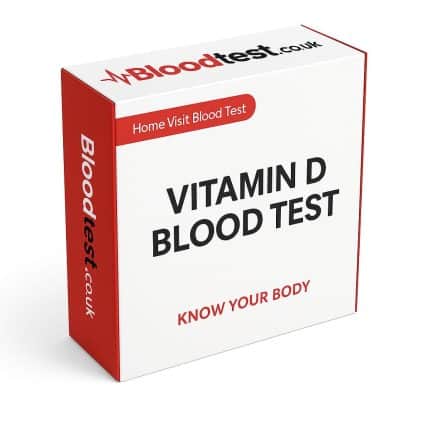

The procedure itself is typically straightforward, involving a simple blood draw, which makes it accessible for individuals eager to gain insights and clarity regarding their health status. Understanding one’s vitamin D levels is essential for making informed decisions about diet and lifestyle, ultimately leading to enhanced health and wellbeing.
How to Navigate the Process of Securing a Vitamin D Blood Test in the UK
In the UK, acquiring a vitamin D blood test follows an organised and efficient approach. Initially, patients must book an appointment at a nearby clinic where educated healthcare professionals conduct an initial evaluation. Facilities in Nottingham provide quick, dependable results tailored to patient needs. Once the blood sample is collected, it is sent to an accredited laboratory where specialists meticulously analyse the vitamin D levels. This ensures that the entire process remains streamlined and user-friendly for all patients, making it easier for individuals to take charge of their health.
What Symptoms Suggest the Need for Vitamin D Testing?
Residents of Nottingham frequently exhibit various symptoms that may indicate the need for a vitamin D blood test. Symptoms such as persistent fatigue, muscle discomfort, and mood fluctuations can serve as warning signs of potential deficiency. These concerns are often heightened during the winter months when sunlight exposure—a crucial factor for the body’s natural synthesis of vitamin D—becomes significantly limited. Early identification of these symptoms can prompt individuals to seek testing and pursue appropriate treatment options, ultimately enhancing their overall health and wellbeing.
How to Accurately Interpret Your Vitamin D Blood Test Results
Accurately understanding the results of a vitamin D blood test is crucial for comprehending one’s health status. In the UK, healthcare professionals assess 25-hydroxyvitamin D levels against established NHS standards. For Nottingham residents, it is essential to determine whether they fall within the sufficiency range since inadequate levels can increase the risk of complications related to bone health, including osteoporosis. Depending on the test results, individuals may be recommended to consult their local GP for tailored advice regarding dietary adjustments or supplementation strategies to elevate their vitamin D levels.
Essential Guidelines for Vitamin D Supplementation in the UK
Following a vitamin D blood test, UK guidelines often recommend supplementation for individuals identified as deficient. In Nottingham, individuals can choose from a variety of over-the-counter vitamin D supplements or receive NHS prescriptions tailored to their unique requirements. It is crucial to adhere to safe supplementation practices to maintain adequate vitamin D levels, especially during the winter months when sunlight exposure is at its lowest. Seeking appropriate guidance from healthcare providers can significantly enhance energy levels and overall health, ensuring individuals are well-equipped to tackle daily challenges.
How Does a Vitamin D Blood Test Operate?
What Scientific Principles Support the Vitamin D Blood Test?
The scientific principles that underpin a vitamin D blood test involve the biochemical analysis of blood samples. When patients arrive for testing, their blood is drawn and subsequently analysed in UK laboratories. The primary focus is on quantifying the levels of 25-hydroxyvitamin D, the main circulating form of vitamin D, to identify deficiencies. This test holds particular relevance in Nottingham, where seasonal fluctuations in vitamin levels can occur, underscoring the necessity for regular assessments to ensure optimal health and wellbeing.
What Equipment is Utilised in Nottingham’s Clinics for Testing?
In Nottingham, healthcare providers employ specialised equipment to guarantee precise vitamin D testing. The process typically involves advanced assays and centrifuges to effectively prepare and analyse blood samples. NHS-approved tools are implemented to ensure consistent and reliable results across local facilities, thereby enhancing the dependability of the testing process. This commitment to quality equipment underscores the significance of providing patients with accurate assessments of their vitamin D status, empowering them to make informed health choices.
How to Interpret Results Within the UK Context
Interpreting the results of a vitamin D blood test requires careful consideration of UK health standards. Results are generally expressed in nanomoles per litre (nmol/L), with specific delineations to indicate deficiency, sufficiency, and excess. For residents of Nottingham, understanding these results is essential, as they directly impact health outcomes. Patients can leverage this information to engage in meaningful discussions with their healthcare providers, ensuring they receive tailored advice based on their unique vitamin D status and health conditions.
Expert Insights on Vitamin D Blood Testing in Nottingham

How Does Testing Contribute to Improved Health Outcomes?
The early detection of vitamin D deficiency through testing significantly enhances health outcomes for Nottingham residents. Research indicates that identifying and addressing deficiencies can considerably lower the risk of developing conditions such as osteoporosis and other bone-related disorders. By emphasising prevention and timely intervention, healthcare professionals in Nottingham can assist individuals in maintaining their activity levels and overall engagement in daily life, helping to foster a healthier community.
Key Benefits of Vitamin D Testing for Patients in the UK
- Enhanced bone density
- Improved immune function
- Better overall wellbeing during the winter months
- Prevention of chronic health issues
Patients in Nottingham reap the rewards of targeted vitamin D testing, which addresses common deficiencies typically observed during the colder, darker months. By identifying insufficient levels of this essential nutrient, healthcare providers can offer practical solutions to enhance individuals’ health and promote a higher quality of life.
The Long-Term Advantages of Regular Testing
Regular vitamin D testing exemplifies a proactive approach to health management, particularly in the UK, where deficiency rates can be alarmingly high. For Nottingham residents, ongoing monitoring permits timely adjustments in supplementation and lifestyle choices, fostering long-term health. This strategy highlights the importance of prevention and empowers individuals to take control of their health, significantly reducing the likelihood of complications associated with prolonged deficiency.
Addressing Seasonal Affective Disorder with Vitamin D Testing
Vitamin D testing plays a critical role in combating seasonal affective disorder (SAD), a prevalent concern during winter months. In Nottingham, studies suggest that low vitamin D levels can adversely affect mood regulation, leading to feelings of depression and lethargy. By identifying these deficiencies through testing, healthcare providers can recommend appropriate interventions, such as supplementation and lifestyle modifications, to enhance the mental wellbeing of those affected, thus fostering a healthier community.
What are the Key Benefits of Vitamin D Testing?
Research-Backed Advantages of Vitamin D Blood Testing in Nottingham
What Evidence from UK Studies Highlights the Importance of Vitamin D?
Recent studies in the UK underline the pivotal role of vitamin D blood testing in improving health outcomes. Research indicates that populations in regions like Nottingham, where sunlight exposure is often limited, gain significant benefits from regular testing. These studies establish a clear correlation between timely detection of deficiencies and improved overall health, reinforcing the necessity of routine assessments as part of a comprehensive healthcare strategy.
What Practical Steps Can Patients in the UK Take to Optimise Their Vitamin D Levels?
Patients in Nottingham aiming to optimise their vitamin D levels can undertake several practical measures. First and foremost, scheduling a blood test is crucial to ascertain individual needs. Proper preparation for the test, including adherence to any fasting guidelines, can significantly enhance outcomes. Consulting with healthcare professionals after the test ensures personalised recommendations and effective management of vitamin D levels tailored to each individual’s requirements, fostering a proactive approach to health.
How to Integrate Testing into Your Daily Health Routine?
For Nottingham residents, regularly incorporating vitamin D testing into their healthcare regimen can yield substantial health benefits over time. A practical approach is to align testing schedules with seasonal changes, especially before and during winter months. By integrating testing into annual health check-ups, individuals can remain aware of their vitamin D status, facilitating timely interventions and lifestyle adjustments to promote optimal health and wellbeing throughout the year.
Why Consider Nottingham for Your Vitamin D Blood Test?
What Distinguishes Nottingham’s Testing Services?
Nottingham is characterised by its efficient laboratories and rapid turnaround times for vitamin D testing. Local clinics prioritise patient convenience and accessibility, ensuring a seamless process from appointment scheduling to result delivery. This commitment to quality and efficiency makes Nottingham an appealing choice for patients seeking reliable vitamin D assessments, supported by the expertise of local healthcare professionals dedicated to providing exceptional care.
How Does Nottingham Compare to Other Vitamin D Testing Options Across the UK?
When evaluating vitamin D testing options throughout the UK, Nottingham’s facilities excel due to their unwavering commitment to quality and convenience. Patients can anticipate shorter wait times and comprehensive services tailored to their unique needs compared to other regions. This combination of factors positions Nottingham as a preferred destination for individuals seeking prompt and precise vitamin D solutions, ensuring they receive the care they deserve.
What are the Best Strategies to Access Affordable Vitamin D Testing in Nottingham?
For residents searching for affordable vitamin D testing, options abound through local NHS services that provide cost-effective solutions for eligible patients. Moreover, various private clinics in the region offer competitive pricing, appealing to individuals desiring swift results. Understanding available subsidies and options empowers Nottingham residents to make informed decisions regarding their vitamin D health and overall wellbeing, ensuring that they receive the necessary care without financial strain.
What are the Advantages of Local Expertise in Vitamin D Analysis?
Nottingham boasts a wealth of skilled professionals dedicated to vitamin D testing, utilising local research and knowledge to deliver accurate assessments. This expertise ensures that residents receive dependable information regarding their vitamin D status, empowering them to make informed health decisions. Such local insights significantly enhance the overall quality of care provided in Nottingham, making it an ideal location for comprehensive vitamin D analysis and fostering a healthier community.
How Do Seasonal Changes Influence Vitamin D Testing in Nottingham?
Given the UK’s unpredictable climate, Nottingham residents experience distinct seasonal influences on their vitamin D levels. During the darker months, the demand for testing increases as natural sunlight exposure decreases. Understanding these seasonal patterns enables individuals in Nottingham to recognise the most suitable times for testing, allowing them to maintain their health through informed choices and appropriate supplementation, ensuring they remain at their best all year round.
Essential Preparatory Steps for Your Vitamin D Blood Test
What Preparatory Steps Should You Adhere to Before the Test?
Proper preparation for a vitamin D blood test is vital for ensuring accurate results. Patients in Nottingham should consider the following preparation tips:
- Consult your healthcare provider for specific instructions tailored to your individual needs
- Avoid taking any vitamin D supplements for at least 24 hours prior to the test
- Check whether fasting is necessary and adhere to any relevant recommendations
- Stay well-hydrated by consuming plenty of water before the test
By following these guidelines, Nottingham residents can enhance the reliability of their test results and ensure a smooth, efficient testing experience, ultimately aiding in their health management.
What Common Precautions Should be Taken in the UK?
When preparing for a vitamin D blood test, certain precautions are crucial. In Nottingham, patients are encouraged to refrain from taking any vitamin D supplements or medications that could influence test results. Adhering to local healthcare protocols is essential to ensure the testing process remains effective and that results accurately reflect an individual’s vitamin D status, leading to more reliable health assessments and better patient outcomes.
What Factors Might Necessitate Postponing Your Test?
Several circumstances may necessitate delaying a vitamin D blood test in the UK. For Nottingham residents, factors such as recent illness, significant medication changes, or ongoing health issues may affect the optimal timing for testing. Consulting with a healthcare professional can help determine the best timing for testing, ensuring the most favourable results for individuals seeking to understand their vitamin D levels and overall health.
Next Steps After Your Vitamin D Blood Test in Nottingham
How to Effectively Follow Up on Your Test Results in the UK?
Once patients receive their vitamin D blood test results, it is crucial to have a follow-up consultation with their healthcare providers. This discussion allows individuals to accurately interpret their results and understand the importance of vitamin D supplementation. Receiving tailored advice based on test results can significantly enhance health outcomes and overall wellbeing, providing a pathway for improved health management.
What Treatment Options Are Available for Vitamin D Deficiency Locally?
For patients in Nottingham diagnosed with vitamin D deficiency, a variety of treatment options are readily accessible. These options may include dietary modifications, lifestyle changes, and vitamin D supplementation tailored to meet individual needs. Local healthcare providers can offer expert guidance on the most effective strategies to address deficiencies and promote overall health, ensuring that patients receive comprehensive care and support throughout their health journey.
Why Is It Important to Monitor Your Vitamin D Levels Over Time?
Ongoing monitoring of vitamin D levels is essential for ensuring long-term health for residents of Nottingham. Regular testing—ideally every six months—helps individuals maintain optimal vitamin D levels and adjust supplementation as necessary. A proactive approach supports sustained health and wellness throughout the year, enabling residents to thrive and remain active in their daily lives.
What Lifestyle Changes Can Help Maintain Healthy Vitamin D Levels?
To effectively sustain vitamin D levels, residents of Nottingham can adopt several beneficial lifestyle changes. Following UK recommendations, individuals should consume a balanced diet rich in vitamin D, engage in outdoor activities whenever possible, and practice safe sun exposure. By integrating these practices into their daily lives, individuals can promote healthy vitamin D levels and significantly mitigate the risk of deficiencies, contributing to their overall health and vitality.
Frequently Asked Questions (FAQs)
What is the optimal vitamin D level for health?
The ideal level of vitamin D, measured as 25-hydroxyvitamin D, is typically considered to fall between 75 and 150 nmol/L. Levels below this range may indicate a deficiency that necessitates attention and potential treatment to restore balance.
How often should I have my vitamin D levels assessed?
It is generally recommended to test your vitamin D levels at least once a year, particularly if you live in areas with limited sunlight, such as Nottingham, to ensure your levels remain adequate for optimal health.
Can I access testing without a doctor’s referral?
Yes, many clinics in Nottingham provide direct access to vitamin D testing without requiring a doctor’s referral, making it more accessible for individuals concerned about their vitamin D levels and overall health.
What steps should I take if my test indicates a deficiency?
If your test results reveal a deficiency, it is vital to consult with a healthcare provider in Nottingham to receive personalised recommendations on supplementation and necessary lifestyle adjustments, ensuring a comprehensive approach to your health.
Are there any side effects associated with vitamin D supplements?
While vitamin D supplements are generally safe, excessive intake can lead to toxicity. It is important to adhere to the recommended dosages as advised by healthcare providers to avoid potential complications and ensure your safety.
Can sunlight alone provide sufficient vitamin D?
In the UK, particularly during winter months, sunlight exposure is often inadequate to maintain optimal vitamin D levels. Therefore, supplementation is usually recommended during these times to ensure adequate levels and support overall health.
Is there a difference between vitamin D2 and D3?
Yes, vitamin D2 (ergocalciferol) is sourced from yeast and plants, while vitamin D3 (cholecalciferol) is derived from animal products. Vitamin D3 is generally more effective in raising vitamin D levels in the body, making it the preferred choice for supplementation.
How long does it usually take to receive test results?
In Nottingham, most clinics provide test results within a few days, facilitating timely follow-up consultations with healthcare providers and allowing individuals to take swift action based on their results.
Can dietary changes alone rectify a vitamin D deficiency?
While a diet rich in vitamin D can help, it may not be sufficient to fully correct a deficiency, especially for individuals with limited sun exposure. Supplementation may still be necessary to achieve optimal levels and support overall health.
Does the NHS cover vitamin D tests?
Yes, vitamin D blood tests are typically covered by the NHS for patients who meet specific criteria, including those exhibiting symptoms of deficiency, ensuring that necessary testing is accessible to those in need.
Connect with us on Facebook for more information!

This Article Was First Found On https://bloodtest.co.uk
The Article Vitamin D Blood Test Importance in Nottingham Was Found On https://limitsofstrategy.com